 EN
EN

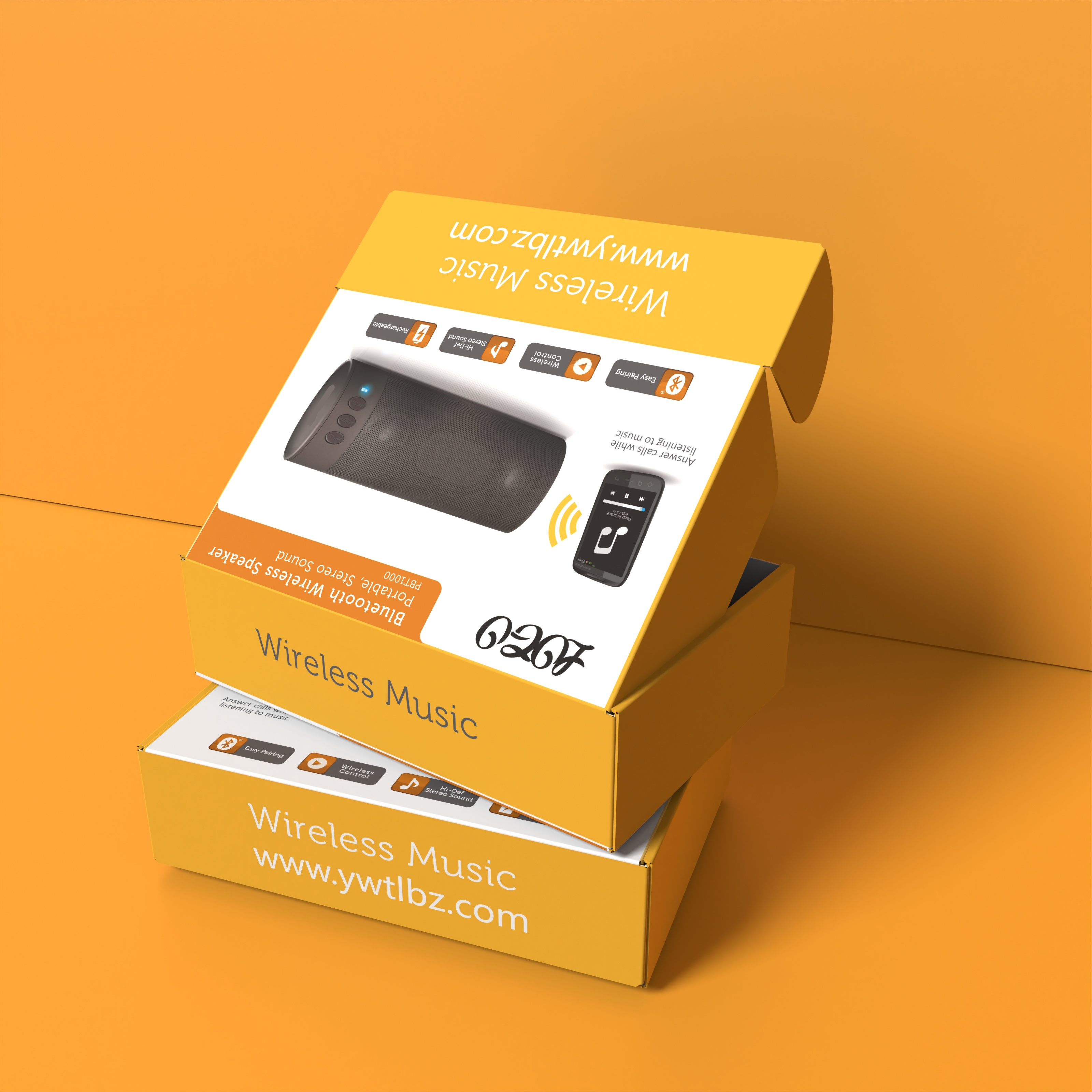
পাঠানোর সময় ইলেকট্রনিক ডিভাইসগুলি সবচেয়ে সংবেদনশীল পণ্যগুলির মধ্যে অন্যতম, যার ক্ষতির হার উৎপাদনকারীর খ্যাতি এবং গ্রাহক সন্তুষ্টি উভয়কেই উল্লেখযোগ্যভাবে প্রভাবিত করতে পারে। সংবেদনশীল উপাদান, স্ক্রিন, সার্কিট বোর্ড এবং সূক্ষ্ম অ্যাসেম্বলিগুলির পারগামী সময়ে রক্ষা করার চ্যালেঞ্জ বিশেষায়িত ইলেকট্রনিক পণ্যের প্যাকেজিং বাক্স ইলেকট্রনিক্স শিল্পের বিভিন্ন ব্যবসায়িক প্রতিষ্ঠানের জন্য অপরিহার্য সমাধান। যখন এই সুরক্ষামূলক পাত্রগুলি সঠিকভাবে ডিজাইন করা হয় এবং বাস্তবায়ন করা হয়, তখন এগুলি পরিবহন প্রক্রিয়ার সময় সাধারণত ঘটে যাওয়া যান্ত্রিক চাপ, পরিবেশগত ঝুঁকি এবং পরিচালনার সময় হওয়া দুর্ঘটনার বিরুদ্ধে প্রথম প্রাচীর হিসেবে কাজ করে।
ইলেকট্রনিক পণ্যের প্যাকেজিং বাক্সের মাধ্যমে কীভাবে ক্ষতির ঝুঁকি পদ্ধতিগতভাবে কমানো যায়—এটি বোঝার জন্য সাধারণ পরিবহন পরিস্থিতিতে ঘটে যাওয়া বহুসংখ্যক ব্যর্থতার বিন্দুগুলির পর্যালোচনা করা আবশ্যক। ফুলফিলমেন্ট কেন্দ্রে প্রাথমিক পরিচালনা থেকে শুরু করে গ্রাহকের দরজায় চূড়ান্ত ডেলিভারি পর্যন্ত, ইলেকট্রনিক পণ্যগুলি ধাক্কা বল, কম্পনজনিত ক্ষতি, আর্দ্রতা সংস্পর্শ, তাপমাত্রা পরিবর্তন এবং স্তূপাকারভাবে সাজানো প্যাকেজগুলির চাপের মতো ধ্রুব হুমকির মুখোমুখি হয়। এই ঝুঁকির প্রতিটি উপাদানকে ইলেকট্রনিক ডিভাইস এবং তাদের পরিবহন পরিবেশে পাওয়া নির্দিষ্ট দুর্বলতা প্যাটার্নগুলির সাথে সামঞ্জস্য রেখে কৌশলগত প্যাকেজিং ডিজাইন বিকল্পের মাধ্যমে কার্যকরভাবে প্রতিরোধ করা যেতে পারে।
ইলেকট্রনিক ডিভাইস প্যাকেজিংয়ে আঘাত সুরক্ষা ব্যবস্থা
শক শোষণ প্রযুক্তির একীভূতকরণ
আধুনিক ইলেকট্রনিক পণ্যের প্যাকেজিং বক্সের ডিজাইনগুলিতে শক শোষণকারী উপকরণের একাধিক স্তর অন্তর্ভুক্ত করা হয় যা সংবেদনশীল উপাদানগুলিতে আঘাতের বল পৌঁছানোর আগেই তা ছড়িয়ে দেয়। বাইরের শেলটি সাধারণত করুগেটেড কার্ডবোর্ড দিয়ে তৈরি হয়, যার নির্দিষ্ট ফ্লুট কনফিগারেশন কাঠামোগত স্থিতিশীলতা প্রদান করে এবং আঘাতের সময় নিয়ন্ত্রিত সংকোচন সক্ষম করে। এই সুরক্ষামূলক বাধার অভ্যন্তরে, প্রকৌশলভিত্তিক ফোম ইনসার্ট, মোল্ডেড পাল্প ক্র্যাডল বা এয়ার-কাশন সিস্টেমগুলি এমন সাসপেনশন অঞ্চল তৈরি করে যা ইলেকট্রনিক ডিভাইসকে বক্সের দেয়ালের সঙ্গে সরাসরি যোগাযোগ থেকে পৃথক করে রাখে।
শক শোষণের কার্যকারিতা প্রতিটি ইলেকট্রনিক পণ্যের নির্দিষ্ট ওজন, মাত্রা এবং ভঙ্গুরতা বৈশিষ্ট্যের সাথে আমানত বৈশিষ্ট্যগুলির সুসঙ্গতির উপর নির্ভর করে। ইয়ারফোনের মতো হালকা ডিভাইসগুলির জন্য ট্যাবলেট বা গেমিং কনসোলের মতো ঘন বস্তুগুলির তুলনায় ভিন্ন সুরক্ষা কৌশল প্রয়োজন। পেশাদার প্যাকেজিং প্রকৌশলীরা ড্রপ-টেস্টের প্রয়োজনীয়তা গণনা করেন এবং ডিজাইন করেন ইলেকট্রনিক পণ্যের প্যাকেজিং বাক্স সমাধানগুলি যা মানকৃত পাঠানোর আঘাত সহ্য করতে পারে এবং উচ্চ পরিমাণের অপারেশনের জন্য খরচ-কার্যকর থাকে।
বহু-বিন্দু যোগাযোগ বণ্টন ব্যবস্থা
ইলেকট্রনিক ডিভাইসগুলিকে চাপের বিন্দুগুলি যেখানে চাপ কেন্দ্রীভূত করতে পারে এমন সমতল পৃষ্ঠের বিরুদ্ধে বিশ্রাম দেওয়ার পরিবর্তে, উন্নত ইলেকট্রনিক পণ্য প্যাকেজিং বক্সের ডিজাইনগুলি বহু-বিন্দু যোগাযোগ ব্যবস্থা ব্যবহার করে যা বলগুলিকে বৃহত্তর পৃষ্ঠের ক্ষেত্রজুড়ে বণ্টন করে। এই পদ্ধতির মাধ্যমে স্ক্রিন ফেটে যাওয়া, সার্কিট বোর্ড বাঁকা হওয়া বা সংযোগ পোর্টগুলির ক্ষতি হওয়া রোধ করা হয়, যা সাধারণত প্যাকেজগুলি পরিবহন যান বা গুদাম সংরক্ষণ এলাকায় স্তূপাকারভাবে সাজানোর সময় চাপের ঘটনার ফলে ঘটে।
সমর্থন রিজগুলির কৌশলগত অবস্থান, আরামদায়ক যোগাযোগ বিন্দু এবং জ্যামিতিক ক্র্যাডল ডিজাইন নিশ্চিত করে যে ক্যামেরা লেন্স, চার্জিং পোর্ট এবং ডিসপ্লে স্ক্রিনের মতো গুরুত্বপূর্ণ উপাদানগুলি প্যাকেজের বাইরের পৃষ্ঠে উল্লেখযোগ্য বাহ্যিক চাপ প্রয়োগ করা হলেও সুরক্ষিত থাকে। এই যোগাযোগ বণ্টন ব্যবস্থাগুলি বিভিন্ন ডিভাইস অভিমুখীকরণের বিভিন্ন সংবেদনশীলতা স্তরকেও বিবেচনা করে, যাতে প্রেরণের সময় প্যাকেজটি যেকোনো অবস্থানে থাকুক না কেন সুরক্ষা নিশ্চিত হয়।

পরিবেশগত বাধা সুরক্ষা বৈশিষ্ট্য
আর্দ্রতা নিয়ন্ত্রণ এবং আর্দ্রতা ব্যবস্থাপনা
ইলেকট্রনিক উপাদানগুলি আর্দ্রতা-সম্পর্কিত ক্ষতির প্রতি বিশেষভাবে সংবেদনশীল, ফলে যেকোনো কার্যকর ইলেকট্রনিক পণ্য প্যাকেজিং বক্স সিস্টেমের জন্য পরিবেশগত সুরক্ষা একটি অত্যন্ত গুরুত্বপূর্ণ কাজ। আর্দ্রতা নিয়ন্ত্রণ শুরু হয় উপযুক্ত বাধা উপাদান নির্বাচন থেকে, যা প্যাকেজিংয়ের দেয়ালের মধ্য দিয়ে আর্দ্রতা সঞ্চালন রোধ করে এবং বিভিন্ন পরিবহন পরিবেশে দেখা যাওয়া বিভিন্ন তাপমাত্রা ও চাপের শর্তে কাঠামোগত স্থায়িত্ব বজায় রাখে।
পেশাদার মানের ইলেকট্রনিক পণ্যের প্যাকেজিং বক্স সলিউশনগুলিতে প্রায়শই ডেসিক্যান্ট প্যাকেট, ভেপার ব্যারিয়ার ফিল্ম, বা আর্দ্রতা-শোষণকারী উপাদান সরাসরি প্যাকেজের কাঠামোর সাথে সমন্বিত থাকে। এই সিস্টেমগুলি পরিবহনের পুরো সময় জুড়ে সক্রিয়ভাবে অভ্যন্তরীণ আর্দ্রতার মাত্রা নিয়ন্ত্রণ করে, যা ঘনীভবন প্রতিরোধ করে। এই ঘনীভবনের ফলে ক্ষয়, শর্ট সার্কিট বা যন্ত্রাংশের অবনতি হতে পারে। আর্দ্রতা সুরক্ষা কৌশলের ক্ষেত্রে ঋতুগত পরিবর্তন, ভৌগোলিক জলবায়ুগত পার্থক্য এবং প্যাকেজগুলি যে দীর্ঘ সময় ধরে অনিয়ন্ত্রিত সংরক্ষণ পরিবেশে থাকতে পারে, সেই বিষয়গুলি অবশ্যই বিবেচনায় রাখতে হবে।
তাপমাত্রা পরিবর্তন প্রতিরোধ
পরিবহনের সময় তাপমাত্রার পরিবর্তন ইলেকট্রনিক উপাদানগুলির প্রসারণ ও সংকোচনের চক্র সৃষ্টি করতে পারে, যা বিশেষ করে ব্যাটারি সিস্টেম, এলসিডি স্ক্রিন এবং সূক্ষ্ম যান্ত্রিক অ্যাসেম্বলিগুলিকে চাপের মুখে ফেলে। একটি কার্যকর ইলেকট্রনিক পণ্য প্যাকেজিং বাক্সে তাপীয় বিচ্ছেদক বৈশিষ্ট্য থাকে যা তাপমাত্রার পরিবর্তনগুলিকে নিয়ন্ত্রণ করে এবং প্যাকেজ করা ডিভাইসের ভিতরে সংবেদনশীল উপাদানগুলিকে ক্ষতিগ্রস্ত করতে পারে এমন দ্রুত তাপীয় চক্র প্রতিরোধ করে।
তাপীয় বিচ্ছেদক কৌশলগুলি সরল বায়ু-ফাঁক ডিজাইন থেকে শুরু করে নির্দিষ্ট ইলেকট্রনিক পণ্যগুলির সংবেদনশীলতা প্রয়োজনীয়তার উপর ভিত্তি করে উন্নত বহু-স্তরীয় তাপীয় বাধা পর্যন্ত বিস্তৃত। প্যাকেজিংটি রক্ষাকারী উপকরণগুলির নিজস্ব তাপীয় প্রসারণকেও মোকাবেলা করতে হবে, যাতে তাপমাত্রা-জনিত পরিবর্তনের ফলে কুশনিং বা গঠনমূলক উপাদানগুলির পরিবর্তন পরিবহন পথে পরিবেশগত অবস্থার পরিবর্তনের সাথে নতুন চাপ বিন্দু সৃষ্টি না করে অথবা রক্ষাকারী কার্যকারিতা হ্রাস না করে।
পরিবহনের সময় স্থায়িত্বের জন্য গঠনমূলক ডিজাইন অপ্টিমাইজেশন
ভারবহন ক্ষমতা এবং স্ট্যাকিং শক্তি
ইলেকট্রনিক পণ্যের প্যাকেজিং বাক্সের গঠনগত অখণ্ডতা অবশ্যই সেই চাপ বলগুলি সহ্য করতে হবে যা ওয়্যারহাউস স্টোরেজ, ট্রাক লোডিং এবং ডিস্ট্রিবিউশন সেন্টার অপারেশনের সময় প্যাকেজগুলি স্ট্যাক করার ফলে সৃষ্ট হয়। পেশাদার প্যাকেজিং ডিজাইন বাণিজ্যিক শিপিং নেটওয়ার্কে সাধারণত পাওয়া যায় এমন স্ট্যাকিং উচ্চতা এবং লোড বণ্টনের ভিত্তিতে এজ ক্রাশ স্ট্রেংথ, বক্স কম্প্রেশন স্ট্রেংথ এবং বার্স্ট স্ট্রেংথের প্রয়োজনীয়তা গণনা করে।
সংবলিতকরণ কৌশলগুলির মধ্যে রয়েছে কোণার ব্রেসিং সিস্টেম, অভ্যন্তরীণ সাপোর্ট ফ্রেমওয়ার্ক এবং কৌশলগত করুগেশন প্যাটার্ন, যা লোডের অধীনে গঠনগত অখণ্ডতা বজায় রাখে এবং একইসাথে ইলেকট্রনিক ডিভাইসের জন্য আবশ্যক অভ্যন্তরীণ সুরক্ষিত স্থান বজায় রাখে। গঠনগত শক্তি এবং অভ্যন্তরীণ সুরক্ষা স্থানের মধ্যে ভারসাম্য অর্জনের জন্য সতর্কতার সাথে প্রকৌশলী ডিজাইন প্রয়োজন, যাতে চাপ প্রতিরোধ ক্ষমতা ইলেকট্রনিক পণ্যকে আঘাতের সময় রক্ষা করার জন্য আঘাত শোষণ ক্ষমতাকে ক্ষতিগ্রস্ত না করে।
কোণ এবং প্রান্ত সুরক্ষা প্রকৌশল
প্যাকেজের কোণ এবং প্রান্তগুলি পাঠানোর সময় সবচেয়ে দুর্বল গঠনগত বিন্দু হিসাবে বিবেচিত হয়, কারণ এই অঞ্চলগুলি সাধারণত ড্রপ, আঘাত এবং হ্যান্ডলিং অপারেশনের সময় সর্বোচ্চ চাপ সংকেন্দ্রণের শিকার হয়। বিশেষায়িত ইলেকট্রনিক পণ্যের প্যাকেজিং বক্স ডিজাইনগুলিতে শক্তিশালীকৃত কোণ নির্মাণ, প্রান্ত প্যাডিং সিস্টেম এবং আঘাত-পুনর্নির্দেশক জ্যামিতিক বিন্যাস অন্তর্ভুক্ত থাকে যা এই গুরুত্বপূর্ণ চাপ সংকেন্দ্রণ বিন্দুগুলি থেকে বলগুলিকে বিচ্ছিন্ন করে।
কোণ সুরক্ষা কৌশলগুলির মধ্যে প্রায়শই দ্বিগুণ দেয়াল পুরুত্ব, অভ্যন্তরীণ কোণ ব্লক বা বিশেষায়িত কোণ কাউশনিং ইনসার্ট অন্তর্ভুক্ত থাকে যা এই উচ্চ-ঝুঁকিপূর্ণ অঞ্চলগুলির জন্য অতিরিক্ত সুরক্ষা প্রদান করে। ডিজাইনটি নিশ্চিত করতে হবে যে কোণ শক্তিকরণ কোনো কঠিন সঞ্চালন পথ সৃষ্টি করে না যা আঘাতের বলগুলিকে সরাসরি সুরক্ষিত ইলেকট্রনিক ডিভাইসে পৌঁছে দিতে পারে, যাতে ক্ষতি প্রতিরোধের ক্ষেত্রে কার্যকর হওয়ার জন্য অপরিহার্য বিচ্ছিন্নতা নীতিগুলি বজায় থাকে।
হ্যান্ডলিং এবং পরিবহন অপ্টিমাইজেশন
অভিমুখ নিয়ন্ত্রণ এবং স্থিতিশীলতা বৈশিষ্ট্য
অনেক ইলেকট্রনিক ডিভাইসের পরিবহনকালীন একটি পছন্দনীয় অভিমুখ থাকে যা হার্ড ড্রাইভ, ব্যাটারি বা সূক্ষ্ম ডিসপ্লে অ্যাসেম্বলিগুলির মতো গুরুত্বপূর্ণ উপাদানগুলির ওপর চাপ কমিয়ে দেয়। একটি অপ্টিমাইজড ইলেকট্রনিক পণ্য প্যাকেজিং বাক্সে ডিজাইন বৈশিষ্ট্য অন্তর্ভুক্ত থাকে যা প্যাকেজটি পরিবহনকালীন যেকোনো অবস্থানেই থাকুক না কেন, সঠিক অভিমুখে হ্যান্ডলিং-কে উৎসাহিত করে এবং যথেষ্ট সুরক্ষা প্রদান করে।
অভিমুখ নিয়ন্ত্রণ ব্যবস্থাগুলির মধ্যে রয়েছে অসম ওজন বণ্টন, দৃশ্যমান অভিমুখ নির্দেশক এবং প্যাকেজের জ্যামিতি যা প্রাকৃতিকভাবে পছন্দনীয় অবস্থানে স্থির হয়ে যায়। তবে, প্যাকেজগুলি ভুলভাবে অভিমুখিত হলেও সুরক্ষা ব্যবস্থাটি কার্যকর থাকতে হবে, কারণ শিপিং অপারেশনগুলি উৎপত্তি থেকে চূড়ান্ত গন্তব্য পর্যন্ত সম্পূর্ণ ডেলিভারি চেইনে সামঞ্জস্যপূর্ণ অভিমুখ মেনে চলা নিশ্চিত করতে পারে না।
আকার অপ্টিমাইজেশন এবং শিপিং দক্ষতা
কার্যকরী ইলেকট্রনিক পণ্য প্যাকেজিং বক্স ডিজাইন সুরক্ষা প্রয়োজনীয়তা এবং শিপিং দক্ষতা বিবেচনাগুলি—যেমন আকার-ভিত্তিক ওজন মূল্যায়ন, যানবাহন লোডিং অপ্টিমাইজেশন এবং সংরক্ষণ স্থান ব্যবহার—এর মধ্যে ভারসাম্য বজায় রাখে। অতিরিক্ত বড় প্যাকেজগুলি শিপিং খরচ ও পরিবেশগত প্রভাব বৃদ্ধি করে, অন্যদিকে অতিরিক্ত ছোট প্যাকেজগুলি সুরক্ষার কার্যকারিতা কমিয়ে দিতে পারে, ফলে প্রতিটি নির্দিষ্ট ইলেকট্রনিক পণ্য শ্রেণির জন্য অপ্টিমাল মাত্রা নির্ধারণে সাবধানতাপূর্ণ বিশ্লেষণ প্রয়োজন।
পেশাদার প্যাকেজিং অপ্টিমাইজেশন শুধুমাত্র প্রাথমিক ইলেকট্রনিক ডিভাইসের মাত্রাগুলি বিবেচনা করে না, বরং সুরক্ষামূলক উপকরণগুলির জন্য প্রয়োজনীয় স্থান, নিয়ন্ত্রক অনুমোদনের বৈশিষ্ট্যগুলি এবং যেসব সহায়ক আইটেম একই প্যাকেজে অন্তর্ভুক্ত করা আবশ্যিক, সেগুলিও বিবেচনা করে। লক্ষ্য হল সর্বোচ্চ সুরক্ষা ঘনত্ব অর্জন করা, যার সাথে স্বয়ংক্রিয় সার্টিং সিস্টেম, মানক শিপিং কন্টেইনার এবং গ্রাহকদের হ্যান্ডলিং প্রত্যাশার সাথে সামঞ্জস্য বজায় রাখা।
গুণগত নিয়ন্ত্রণ এবং কার্যকারিতা যাচাইকরণ
পরীক্ষা প্রোটোকল এবং মান অনুসরণ
পেশাদার ইলেকট্রনিক পণ্যের প্যাকেজিং বক্স উন্নয়ন নির্ভর করে মানকৃত পরীক্ষা প্রোটোকলের উপর, যা বাস্তব-বিশ্বের শিপিং-সংশ্লিষ্ট চাপগুলির অনুকরণ করে এবং নিয়ন্ত্রিত পরিস্থিতিতে সুরক্ষামূলক কার্যকারিতা যাচাই করে। এই পরীক্ষাগুলির মধ্যে রয়েছে বিভিন্ন উচ্চতা ও অভিমুখ থেকে ড্রপ টেস্টিং, পরিবহন যানবাহনের গতিবিধি পুনরুৎপাদনকারী কম্পন পরীক্ষা এবং সাধারণ শিপিং অপারেশনের সময় স্ট্যাকিং লোডের অনুকরণকারী কম্প্রেশন পরীক্ষা।
আইএসটিএ (ISTA) পরীক্ষা পদ্ধতির মতো শিল্প মানকগুলি বিভিন্ন শিপিং পরিস্থিতি ও ইলেকট্রনিক পণ্য শ্রেণির জন্য প্যাকেজিং কার্যকারিতা মূল্যায়নের জন্য কাঠামো প্রদান করে। এই মানকগুলির সাথে অনুপালন নিশ্চিত করে যে ইলেকট্রনিক পণ্যের প্যাকেজিং বক্স সমাধানগুলি ন্যূনতম কার্যকারিতা প্রয়োজনীয়তা পূরণ করে এবং ডিজাইন উন্নয়ন ও মান নিশ্চিতকরণ প্রক্রিয়াগুলিকে নির্দেশনা দেওয়ার জন্য পরিমাপযোগ্য সুরক্ষা মেট্রিক্স প্রদান করে।
অবিরাম উন্নয়ন এবং প্রতিক্রিয়া একীভূতকরণ
কার্যকরী ইলেকট্রনিক পণ্য প্যাকেজিং বক্স প্রোগ্রামগুলি ফিডব্যাক ব্যবস্থা অন্তর্ভুক্ত করে যা আসল শিপিং অপারেশন থেকে ক্ষতির তথ্য, গ্রাহকদের অভিযোগ এবং কার্যকারিতা মেট্রিক্স ধারণ করে। এই বাস্তব-বিশ্বের কার্যকারিতা তথ্য সুরক্ষামূলক কৌশলগুলির চলমান উন্নয়নকে সক্ষম করে এবং এমন নতুন ক্ষতির প্যাটার্নগুলি চিহ্নিত করে যা ডিজাইন পরিবর্তন বা উপকরণ আধুনিকীকরণের প্রয়োজন হতে পারে।
গুণগত উন্নয়ন প্রক্রিয়াগুলি শিপিং শিল্পের অনুশীলনে পরিবর্তন, নতুন ইলেকট্রনিক পণ্য ডিজাইন এবং প্যাকেজিং কার্যকারিতা প্রয়োজনীয়তাকে প্রভাবিত করতে পারে এমন বিকশিত নিয়ন্ত্রক প্রয়োজনীয়তাগুলিও বিবেচনা করে। ইলেকট্রনিক পণ্য প্যাকেজিং বক্সের স্পেসিফিকেশনগুলির নিয়মিত পর্যালোচনা ও আপডেট করা নিশ্চিত করে যে, পণ্য এবং শিপিং পরিবেশ উভয়ই সময়ের সাথে বিকশিত হওয়ার পরেও এর কার্যকারিতা অব্যাহত থাকবে।
প্রায়শই জিজ্ঞাসিত প্রশ্নাবলী
শিপিংয়ের সময় ইলেকট্রনিক ডিভাইসগুলির জন্য কোন উপকরণগুলি সর্বোত্তম সুরক্ষা প্রদান করে?
ইলেকট্রনিক পণ্যের প্যাকেজিং বক্স প্রয়োগের জন্য সবচেয়ে কার্যকরী উপকরণগুলির মধ্যে সাধারণত কাঠামোগত অখণ্ডতা বজায় রাখার জন্য উপযুক্ত প্রান্ত চূর্ণন শক্তি সহ করুগেটেড কার্ডবোর্ড অন্তর্ভুক্ত থাকে, যা আঘাত শোষণের জন্য ইঞ্জিনিয়ার করা ফোম ইনসার্ট বা মোল্ডেড পাল্প ক্র্যাডলের সমন্বয়ে গঠিত। সংবেদনশীল উপাদানের জন্য এন্টি-স্ট্যাটিক উপকরণ প্রয়োজন হতে পারে, যেখানে আর্দ্রতা বাধা ফিল্ম এবং শুষ্ককারী পদার্থগুলি পরিবেশগত সুরক্ষা প্রদান করে। অপটিমাল উপকরণ সংমিশ্রণটি নির্ভর করে নির্দিষ্ট ডিভাইসের বৈশিষ্ট্য, পাঠানোর সময়কাল এবং পরিবেশগত প্রকাশের ঝুঁকির উপর।
আমার ইলেকট্রনিক পণ্যগুলির জন্য সঠিক প্যাকেজিং আকার কীভাবে নির্ধারণ করব?
উপযুক্ত ইলেকট্রনিক পণ্য প্যাকেজিং বক্সের আকার নির্ধারণের জন্য ডিভাইসের মাত্রা গণনা করা এবং সুরক্ষামূলক উপকরণের জন্য যথেষ্ট খালি জায়গা রাখা আবশ্যিক—সাধারণত পণ্যের ভঙ্গুরতা ও ওজনের উপর নির্ভর করে সমস্ত দিকে ২-৪ ইঞ্চি ফাঁকা জায়গা রাখা হয়। মাত্রাজনিত ওজন (ডাইমেনশনাল ওয়েট) ভিত্তিক পাঠানোর খরচ, স্ট্যান্ডার্ড বক্স সাইজের উপলব্ধতা এবং স্বয়ংক্রিয় হ্যান্ডলিং সিস্টেমের সামঞ্জস্যতা বিবেচনা করুন। পেশাদার প্যাকেজিং প্রকৌশলীরা সুরক্ষা প্রয়োজনীয়তা, পাঠানোর দক্ষতা এবং খরচ বিবেচনার মধ্যে ভারসাম্য বজায় রাখার জন্য অপ্টিমাইজেশন বিশ্লেষণ করতে পারেন।
টেকসই প্যাকেজিং উপকরণগুলি কি ইলেকট্রনিক্সের জন্য এখনও যথেষ্ট সুরক্ষা প্রদান করতে পারে?
আধুনিক টেকসই উপকরণগুলি—যেমন পুনর্ব্যবহৃত কার্ডবোর্ড, জৈব-বিঘটনযোগ্য ফোমের বিকল্প এবং নবায়নযোগ্য আরামদায়ক উপকরণ—যখন সঠিকভাবে প্রকৌশলীকৃত হয়, তখন ঐতিহ্যগত প্যাকেজিং উপকরণের সমতুল্য সুরক্ষা প্রদান করতে পারে। মূল কথা হল উপযুক্ত উপকরণের গ্রেড নির্বাচন করা এবং যেসব কাঠামোগত বৈশিষ্ট্য কোনও কর্মক্ষমতা-সংক্রান্ত পার্থক্যকে পূরণ করে, সেগুলি ডিজাইন করা। অনেক ইলেকট্রনিক পণ্যের প্যাকেজিং বাক্স সমাধান এখন উন্নত ডিজাইন অপ্টিমাইজেশনের মাধ্যমে পরিবেশগত দায়িত্ব এবং কার্যকর ক্ষতি প্রতিরোধ—উভয়কেই সফলভাবে একত্রিত করছে।
প্যাকেজিংয়ের কার্যকারিতা যাচাই করতে কোন পরীক্ষা সম্পাদন করা উচিত?
ইলেকট্রনিক পণ্যের প্যাকেজিং বক্স যাচাইকরণের জন্য ব্যাপক পরীক্ষা অন্তর্ভুক্ত করা উচিত: একাধিক অভিমুখে ৩০-৪৮ ইঞ্চি উচ্চতা থেকে ড্রপ টেস্টিং, ট্রাক ও বিমান পরিবহন অনুকরণ করে কম্পন পরীক্ষা, স্ট্যাকিং লোডের জন্য কম্প্রেশন পরীক্ষা এবং তাপমাত্রা ও আর্দ্রতা প্রতিরোধের জন্য পরিবেশগত পরীক্ষা। ISTA পরীক্ষা প্রোটোকলগুলি মানকৃত পদ্ধতি প্রদান করে, যদিও নির্দিষ্ট ইলেকট্রনিক ডিভাইস শ্রেণির জন্য স্ক্রিনের আঘাত বা পোর্ট ক্ষতির ঝুঁকির মতো বিশেষ দুর্বলতা কারকগুলির জন্য অতিরিক্ত পরীক্ষার প্রয়োজন হতে পারে।
বিষয়সূচি
- ইলেকট্রনিক ডিভাইস প্যাকেজিংয়ে আঘাত সুরক্ষা ব্যবস্থা
- পরিবেশগত বাধা সুরক্ষা বৈশিষ্ট্য
- পরিবহনের সময় স্থায়িত্বের জন্য গঠনমূলক ডিজাইন অপ্টিমাইজেশন
- হ্যান্ডলিং এবং পরিবহন অপ্টিমাইজেশন
- গুণগত নিয়ন্ত্রণ এবং কার্যকারিতা যাচাইকরণ
-
প্রায়শই জিজ্ঞাসিত প্রশ্নাবলী
- শিপিংয়ের সময় ইলেকট্রনিক ডিভাইসগুলির জন্য কোন উপকরণগুলি সর্বোত্তম সুরক্ষা প্রদান করে?
- আমার ইলেকট্রনিক পণ্যগুলির জন্য সঠিক প্যাকেজিং আকার কীভাবে নির্ধারণ করব?
- টেকসই প্যাকেজিং উপকরণগুলি কি ইলেকট্রনিক্সের জন্য এখনও যথেষ্ট সুরক্ষা প্রদান করতে পারে?
- প্যাকেজিংয়ের কার্যকারিতা যাচাই করতে কোন পরীক্ষা সম্পাদন করা উচিত?