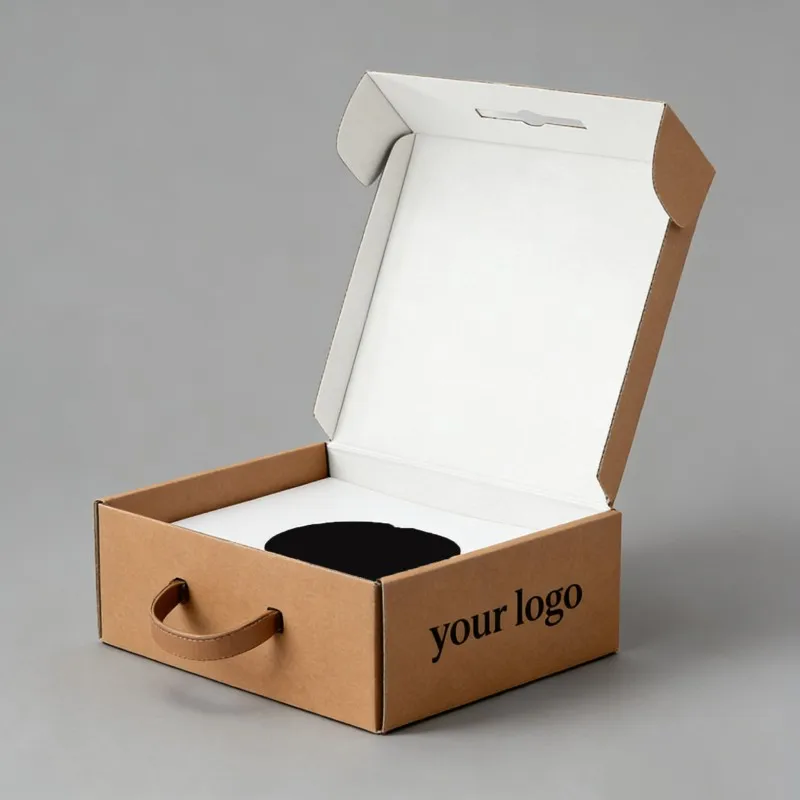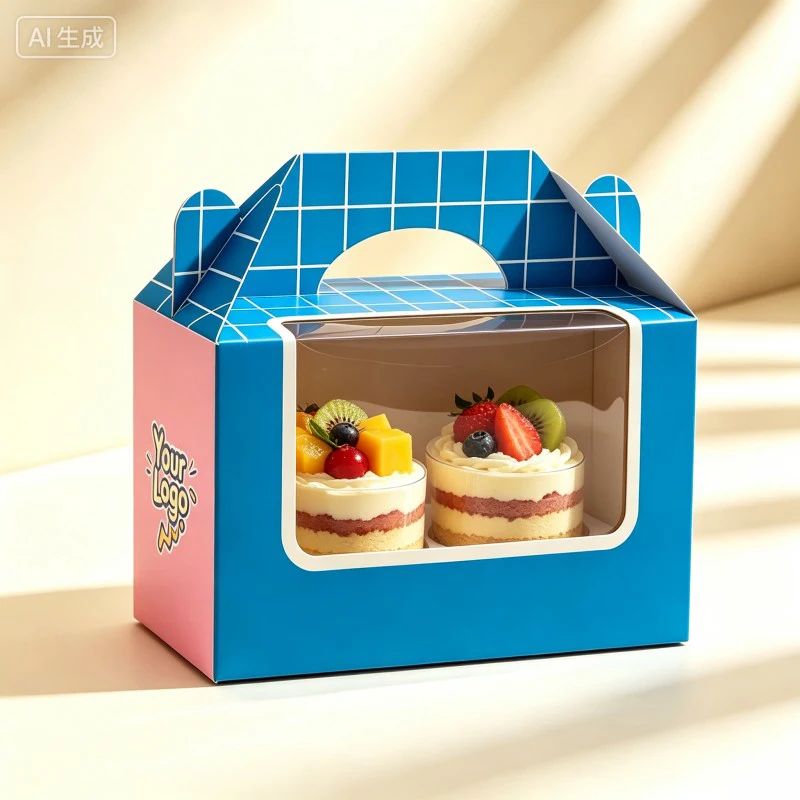
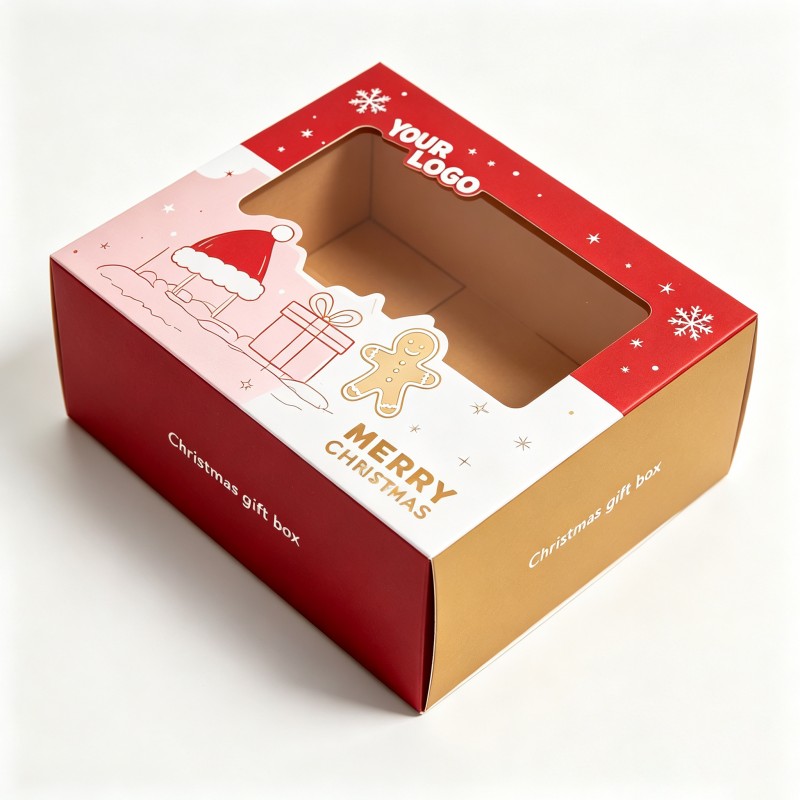
Caixa de caxón de Nadal vermella clásica con dous compartimentos
O embalaxe de caixas de regalo de Nadal debe desempeñar varias tarefas nunha tempada de venda curta e moi competitiva. Protexe o produto, atrae aos compradores de regalos, comunica o seu valor e crea unha experiencia de apertura que os clientes poden compartir con outros. Ao mesmo tempo, a caixa debe axustarse ás prateleiras dos puntos de venda, ás caixas de envío, aos calendarios de produción e aos requisitos ambientais.
Estas demandas están adquirindo maior importancia en 2026. As estruturas reciclables, as caixas de regalo reutilizables, os formatos de calendario de Adviento, a impresión dixital, os contidos vinculados mediante códigos QR e a redución do volume de embalaxe están influenciando as coleccións festivas. Por tanto, as marcas necesitan máis ca un deseño atractivo: necesitan unha caixa que funcione durante todo o percorrido, desde o empaquetado e o transporte ata a entrega do regalo e a súa eliminación.
Os gráficos festivos son, con frecuencia, o primeiro tema nun proxecto de envase de Nadal. Con todo, o produto debe guiar a estrutura antes de escoller as cores, os patróns ou os métodos de acabado. Unha caixa bonita non apoiará as vendas se o contido se move, se rompe, se fuga ou chega con esquinas danadas.
A primeira revisión debe abarcar as dimensións, o peso, a fragilidade, a superficie e a disposición do produto. As marcas tamén deben considerar se a caixa levará un só artigo, varios produtos ou unha colección completa de regalos.
Os produtos lixeiros, como pequenos accesorios, material de oficina ou confitería, poden funcionar ben en caixas plegables. Os conxuntos máis pesados requiren, con frecuencia, cartón ondulado ou cartón gris de alta densidade. As botellas, frascos e adormentos fráxiles necesitan inserciones que se axusten moi ben para reducir o movemento durante a entrega.
A inserción debe sostener o produto en puntos de contacto firmes. Non debe presionar bombas, bicos, tapas, superficies decorativas ou outras zonas delicadas. Para conxuntos con varios produtos, cada elemento debe ter unha posición definida para que a presentación permaneza ordenada despois do transporte.
As marcas deben probar a caixa completamente empacada, non unha mostra baleira. A proba debe incluír o levantamento, apilamento, vibración, apertura e as condicións previstas de entrega. Unha caixa pode parecer forte cando está baleira pero dobrarse cando contén 2 kg ou 5 kg.
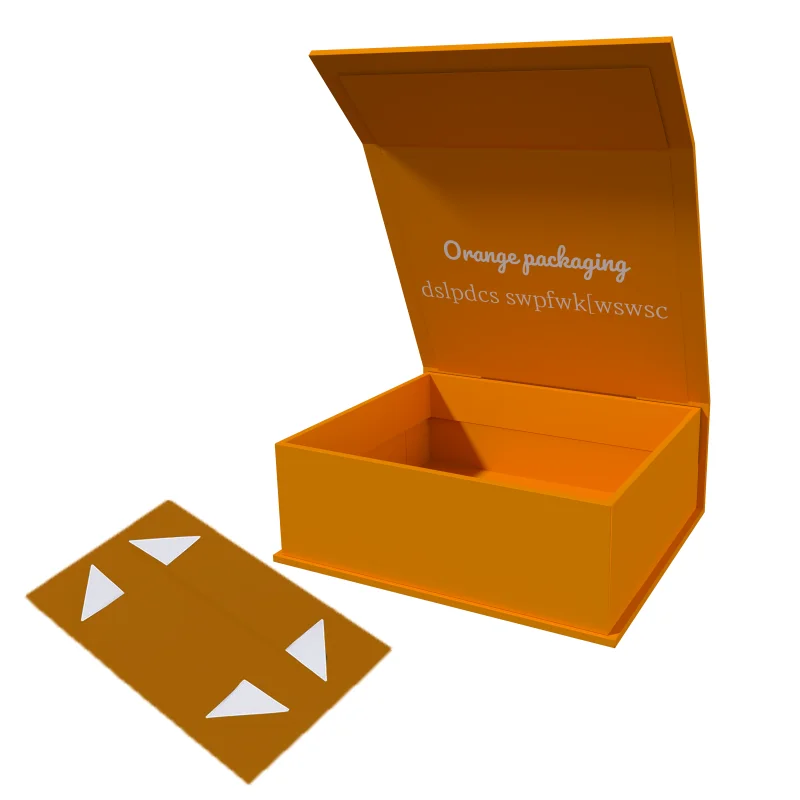
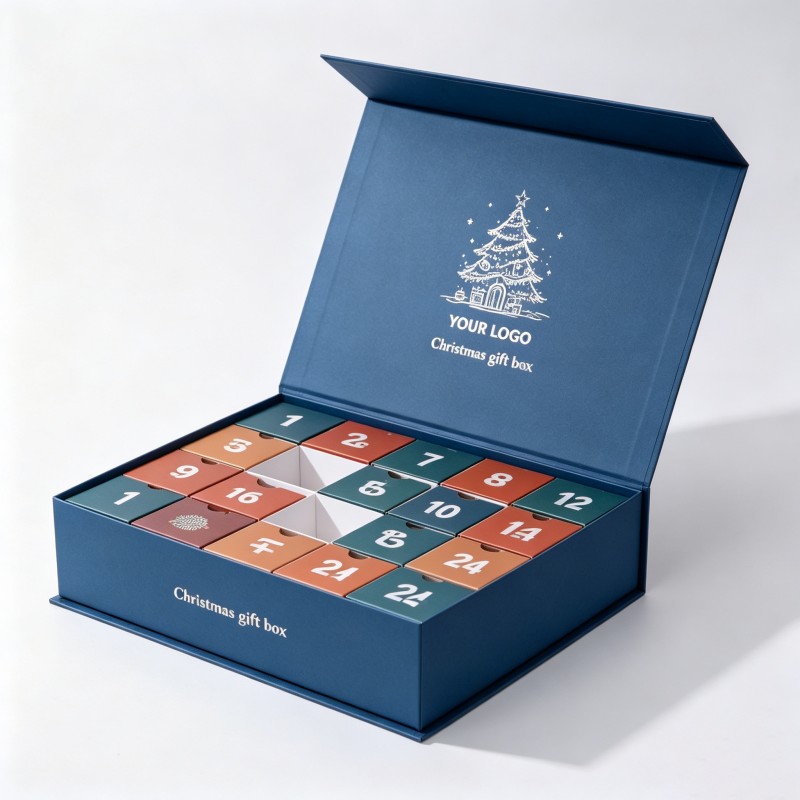
O método de apertura dota da primeira interacción física do destinatario co regalo. Unha caixa superior e inferior é sinxela e familiar. Unha gaveta crea unha revelación máis lenta. Unha caixa magnética de tipo flip ofrece un movemento de peche limpo, mentres que unha estrutura de tipo libro proporciona espazo para contar historias no panel interior.
A estrutura debe sentirse natural para o produto e o nivel de prezo. Unha caixa ríxida elaborada pode engadir custos innecesarios a un artigo de baixo prezo. Por outra parte, un cartón plegable fino pode debilitar a presentación dunha fragancia ou conxunto de xoias premium.
A comodidade tamén é importante. Os clientes non deben necesitar tesoiras nin forza excesiva para acceder ao produto. As pezas interiores e os pechados deben manter os contidos de forma segura, ao tempo que permiten unha experiencia de apertura cómoda.
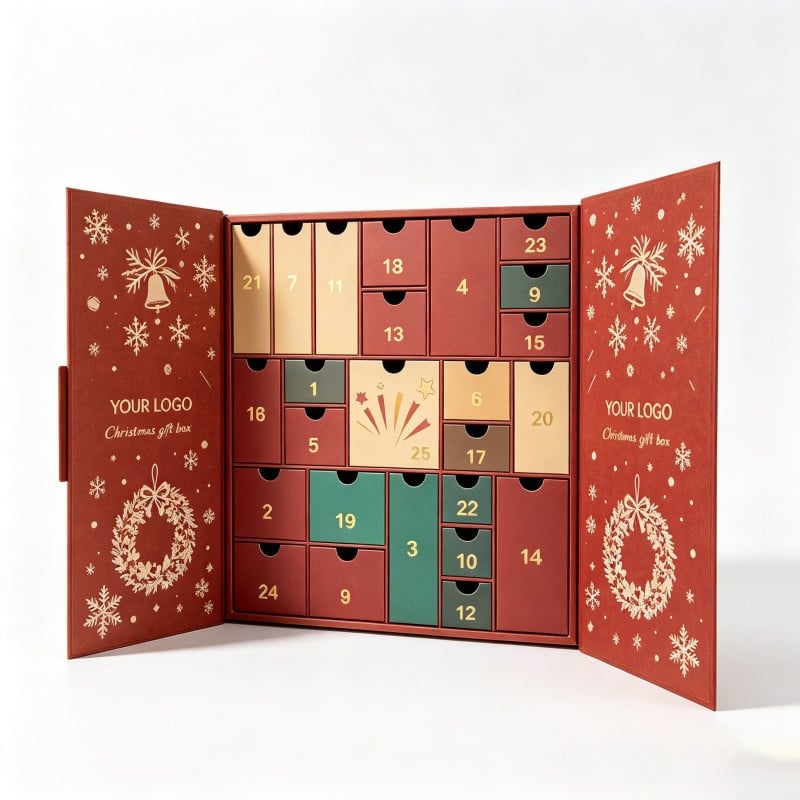
Imaxe. Caixa de enigma do calendario de contaxe atrás de Nadal .
O envase de Nadal pode aparecer nun estante de tenda, nunha exposición sazonal ou nunha páxina de produto de comercio electrónico. Algúns envases deben funcionar nos tres lugares. Cada canal crea requisitos diferentes en canto a visibilidade, dimensións, protección e información para o cliente.
Antes de aprobar unha estrutura, as marcas deben identificar onde se producirán a maioría das vendas. Un envase deseñado só para unha mesa de venda ao público pode non resistir a entrega directa sen unha caixa adicional de envío.
As prateleiras de Nadal están visualmente sobrecargadas. Ilustracións complexas, efectos metálicos, logotipos grandes e etiquetas promocionais compiten frecuentemente pola atención. Un deseño máis claro pode axudar aos clientes a identificar o produto máis rapidamente.
O panel frontal debe comunicar o nome do produto, o tipo de regalo, a cantidade e o valor principal nunha orde clara. As ilustracións temáticas poden apoiar esta información sen cubrila. O contraste forte e os tipos de letra lexíbeis son especialmente importantes baixo a iluminación brillante das tendas.
Unha paleta de cores limitada pode ter máis impacto que varias cores que compiten entre si. O vermello intenso, o verde, o azul, o marrón kraft, o branco e os acentos metálicos poden transmitir unha sensación festiva cando se usan con coidado. A elección final debe coincidir coa marca e o produto, en vez de seguir automaticamente as convencións navideñas.
Unha caixa de regalo de luxo non é sempre unha caixa de envío. Os pechados magnéticos poden abrirse durante a entrega, as esquinas ríxidas poden rascarse e as fundas decorativas poden desprazarse se o paquete non está ben soportado.
Para pedidos en liña, as marcas deben decidir se a caixa de regalo irá dentro dunha cartón corrugado separado ou se formará parte da estrutura de envío. Pode ser necesario un cartón exterior protector, acolchoado de papel, soporte nas esquinas e protección contra a humidade.
É importante usar un embalaxe do tamaño axeitado. Un cartón de envío con demasiado espazo baleiro require máis material de recheo e pode permitir que a caixa de regalo se mova. Un cartón demasiado apertado pode esmagar as esquinas ou danar a superficie impresa. As probas de empaquetado deben reflectir o método final de entrega.
As tendencias de empaquetado máis útiles resolven un problema do cliente ou da cadea de suministro. Algúns reducen os residuos. Outros crean unha interacción máis duradeira ou fan que a produción sazonal sexa máis flexible. As marcas non necesitan empregar todas as tendencias. Deben escoller ideas que apoien o produto, a audiencia e o prezo previsto.
En 2026, catro direccións son especialmente relevantes para o empaquetado de caixas de regalo de Nadal: reutilización, interacción co calendario de Adviento, deseño moderado e comunicación dixital.
Unha caixa de regalo sólida pode converterse en almacenaxe para adornos, fotografías, xoias, papelería ou pequenos obxectos para o fogar. Isto dá valor ao empaquetado despois de Nadal e manténo na casa do cliente durante máis tempo.
Para que a reutilización sexa realista, a caixa necesita esquinas resistentes, unha superficie duradeira e un mecanismo de apertura fiable. O deseño tamén debe manter o seu atractivo despois das festas. Unha aproximación práctica consiste en colocar gráficos navideños chamativos nunha funda de papel desmontable, mentres que a caixa principal ten un aspecto máis discreto.
As marcas deben evitar describir como reutilizables empaques débiles só porque se poden abrir dúas veces. A estrutura debe superar probas repetidas de apertura e manipulación. A reutilización resulta máis críbel cando a caixa ten unha segunda finalidade evidente.
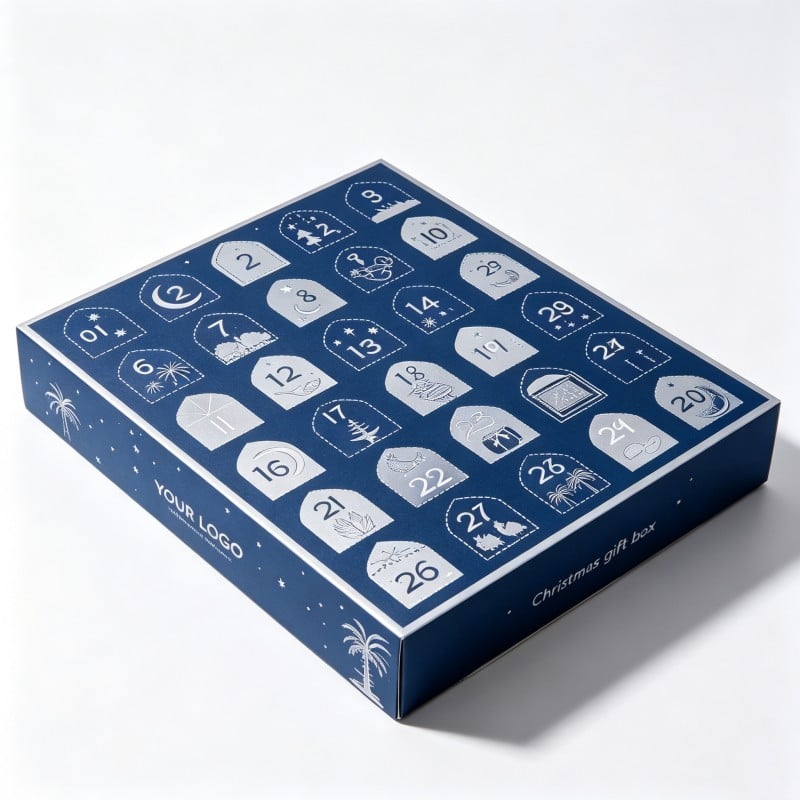
O empaque dos calendarios de advento navideños transforma un único momento de apertura nunha experiencia de 12, 24 ou 25 días. Pode conter doces, produtos de beleza, fragancias, xoias, té ou pequenos regalos, ou coleccións mixtas.
Os calendarios en forma de gaveta ofrecen unha sensación premium e poden reencherse. Os formatos con portas perforadas usan menos material e son adecuados para cantidades de produción máis grandes. Os calendarios con dúas portas e os de estilo libro crean unha forte primeira impresión antes de que os clientes comecen a abrir as seccións numeradas.
Cada compartimento debe coincidir estreitamente co seu produto. As portas débiles poden romperse prematuramente, mentres que os obxectos soltos poden desprazarse ás seccións incorrectas. Os números deben ser fáciles de atopar, pero ao mesmo tempo deben manter unha sensación de descubrimento. As conversas recentes sobre envases tamén destacan os calendarios de Adviento como un exemplo de como a enxeñaría en papel pode transformar o envase nunha forma de teatro festivo.
O luxo non require moitos procesos decorativos. As texturas naturais do papel, as cores intensas, a tipografía clara, o relevo, o contrarelevo e a estampación selectiva en foil poden crear unha aparencia máis controlada ca unha superficie chea de brillo e detalles laminados.
Os acabados selectivos tamén poden apoiar a reciclabilidade. O gofrado engade profundidade sen necesidade dunha cor impresa adicional. Un pequeno detalle en folla metálica pode proporcionar contraste sen cubrir toda a caixa. Unha banda de papel pode levar información sazonal e retirarse antes de reutilizar a caixa principal.
O deseño debe revisarse baixo a iluminación real da tenda. As cores escuras poden ocultar textos finos, mentres que os acabados reflectantes poden causar deslumbramento. As mostras impresas ofrecen un resultado máis preciso ca as cores vistas só na pantalla.
O rendemento ambiental xa non se limita a unha breve afirmación na parte traseira dunha caixa. Os vendedores, importadores e clientes demandan cada vez máis información clara sobre materiais, reciclabilidade, espazo baleiro e compoñentes innecesarios do envase.
O Regulamento da UE sobre envases e residuos de envases aplicarase xeralmente a partir de agosto de 2026. Abarca todo o ciclo de vida do envase e ten como obxectivo facer que todos os envases no mercado da UE sexan reciclables dun xeito economicamente viable para o ano 2030.
Unha caixa de papel pode resultar difícil de reciclar cando contén unha gran fiestra de plástico, espuma permanente, forro de tecido, pezas magnéticas, laminación pesada ou decoracións metálicas. Cada compoñente debe ser revisado, non só a cartolina principal.
As marcas poden considerar os seguintes cambios:
OResumo da Comisión Europea das novas regras destaca menos residuos de envases, reciclaxe, reutilización e etiquetas máis claras. Estes asuntos son especialmente relevantes para os paquetes navideños, que a miúdo conteñen varias capas.
O papel kraft ofrece unha aparencia natural e funciona ben para caixas plegables e caixas onduladas. O cartón branco ofrece unha superficie lisa para impresión detallada. O cartón ondulado proporciona amortiguación e resistencia á compresión. O cartón gris de alta densidade apoia as caixas ríxidas premium.
Alimento , os cosméticos, as fragancias, as xoias e os complementos de roupa teñen requisitos diferentes. Os regalos alimentarios poden necesitar materiais adecuados para contacto con alimentos. As botellas de perfume necesitan inserciones resistentes e espazo ao redor do bico. As xoias requiren superficies que non desprenderan fibras nin rayen os acabados delicados.
A selección de materiais debe basearse, pois, na seguridade do produto, no transporte, na aparencia e na eliminación. Non se debe promover ningún material como a mellor solución para todos os produtos.
Imaxe. caixa perforada con tampa e 9 xanelas para a conta atrás de Nadal
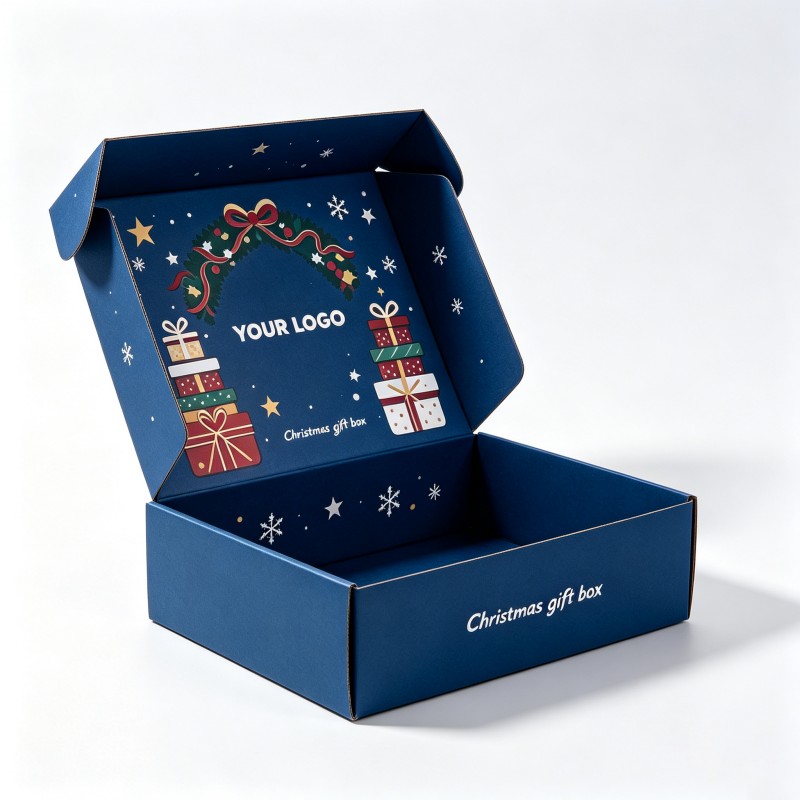
A impresión dixital permite pedidos máis pequenos, versións rexionais, nomes dos destinatarios, edicións limitadas e varias mensaxes de Nadal sen cambiar a estrutura principal da caixa. Isto pode axudar ás marcas a probar ideas sazonais ou crear diferentes envases para venda ao por menor, regalos corporativos e campañas en liña.
Un código QR pode ligar aos clientes a unha mensaxe persoal, guía do produto, receita festiva, contido diario de Advénto, instruccións de reciclaxe ou oferta de fidelización. A chamada á acción impresa debe explicar claramente o beneficio. «Escanea para coñecer a sorpresa de Nadal de hoxe» dá aos clientes unha razón máis forte para actuar que «Escanea aquí».
A páxina vinculada debe cargarse rapidamente nos dispositivos móbeis. Tamén debe permanecer dispoñible durante toda a vida útil prevista da caixa de regalo. Unha caixa reutilizable pode permanecer cos clientes moito despois de rematar a campaña sazonal.
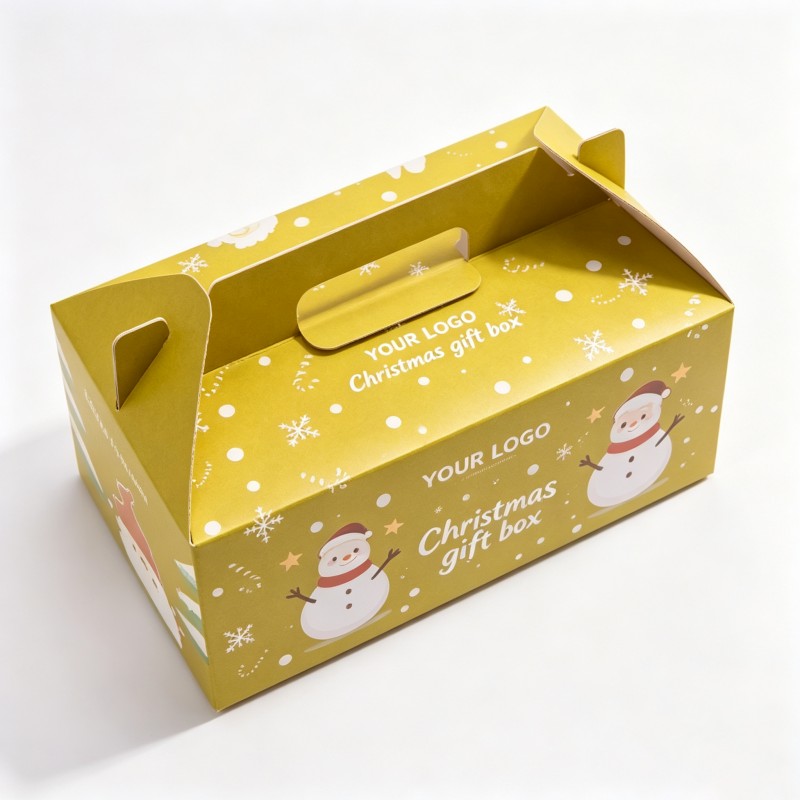
En TianLi Packaging, desenvolvemos produtos de empaquetado personalizados baseados nas dimensións do produto, o peso, o canal de venda e a experiencia de apertura. Os nosos produtos inclúen caixas plegables, caixas onduladas, caixas ríxidas de regalo, caixas de gaveta, caixas magnéticas e estruturas de calendarios de Adviento de Nadal.
Mediante as nosas servizos de embalaxe personalizado , apoiamos o planeamento estrutural, a selección de materiais, a coincidencia de cores Pantone, a elaboración de mostras, os acabados e a produción en masa. Tamén podemos analizar papeis certificados FSC, inserciones baseadas en papel, gofrado, estampación en folla metálica, UV localizado e estruturas plegables para reducir o volume de almacenamento e transporte.
Recomendamos aprobar unha mostra física antes de comezar a produción festiva. Visite TianLi Packaging para analizar unha caixa de regalo de Nadal que se adapte ao seu produto e ao seu mercado obxectivo.
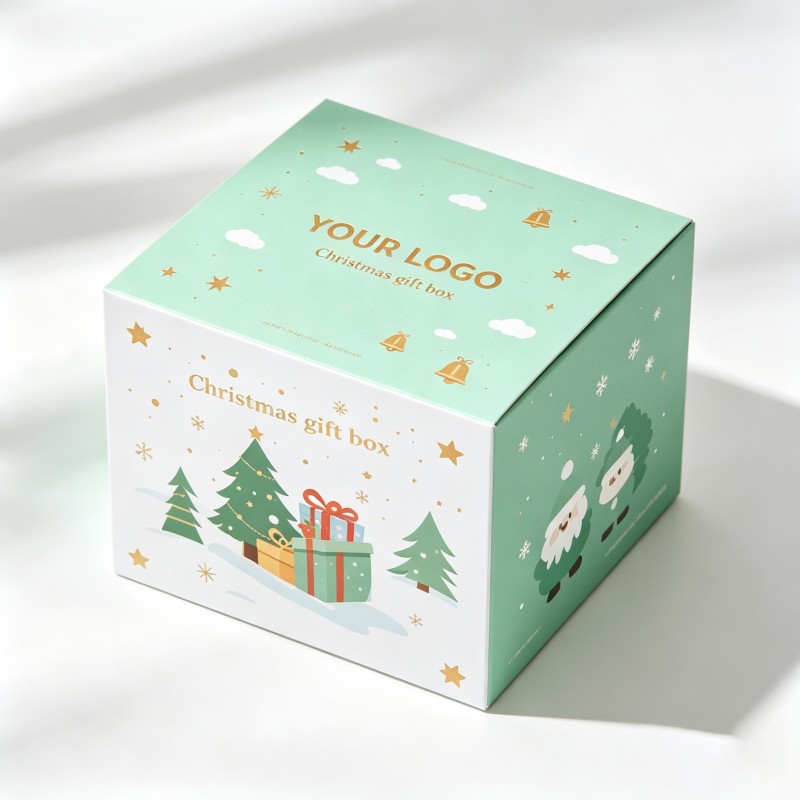
Os produtos de Nadal teñen datas fixas de lanzamento e entrega. A aprobación tardía do embalaxe pode levar a unha escolla limitada de materiais, custos máis altos de transporte ou a perda do tempo de venda. A planificación debe comezar con antelación suficiente para o desenvolvemento da estrutura, a elaboración de mostras, a aprobación das cores, a produción, a inspección e o transporte internacional.
Antes de facer a orde final, confirme:
Unha mostra de produción asinada pode servir como referencia para a cor, estrutura, material e acabado. As marcas tamén deberían permitir tempo extra para calendarios de Adviento complexos, caixas ríxidas feitas á man ou xogos de regalos con varios tamaños de inserción.
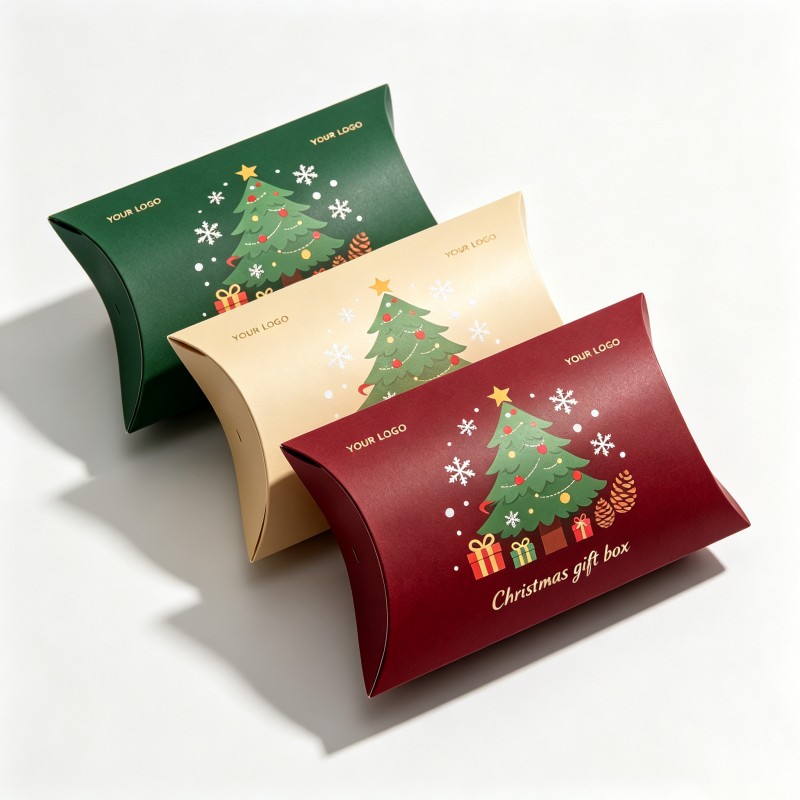
Escoller Caixa de regalo de Nadal o embalaxe require máis ca escoller unha imaxe festiva. A caixa debe axustarse ao peso, á fragilidade, ao canal de venda, ao cliente e ao prezo do produto. Tamén debe resistir o transporte, presentar claramente o contido e crear unha experiencia de apertura que resulte axeitada para o regalo. As caixas reutilizables, os calendarios de Adviento, as gráficas sobriñas, a personalización dixital e os contidos ligados mediante códigos QR están definindo a tempada 2026. Ao mesmo tempo, novas normas de embalaxe están aumentando a presión para reducir o espazo baleiro e os materiais mixtos. As marcas que comezan cedo poden probar estruturas, comparar materiais, aprobar cores e corrixir problemas antes da produción en masa. Unha caixa de Nadal exitosa conxuga protección, presentación, produción práctica e un camiño claro despois do seu uso.
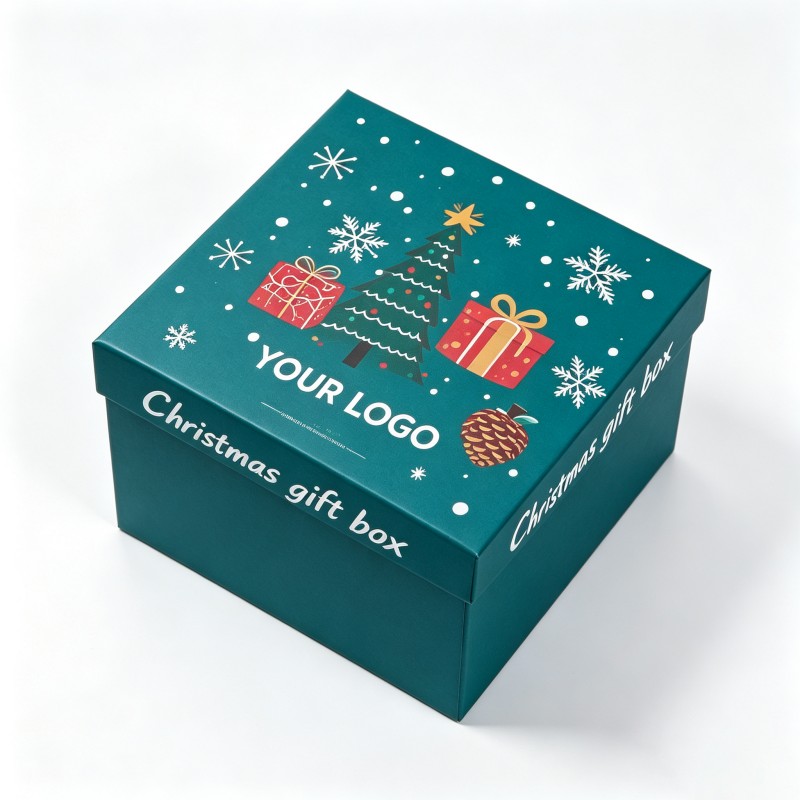
A:As caixas ríxidas ou onduladas de Nadal poden soportar 2 kg, 5 kg ou máis tras as probas de carga.
A:As capacidades comúns das caixas inclúen 3 L, 5 L e 10 L, segundo a disposición do produto.
A:A empaquetadura baseada en papel é máis fácil de reciclar cando se limitan o plástico, a espuma, os imáns e as pezas decorativas permanentes.
 Novas quentes
2026-09-17
2026-09-02
2026-08-24
2026-08-13
2026-07-14
2026-07-01
 EN
EN