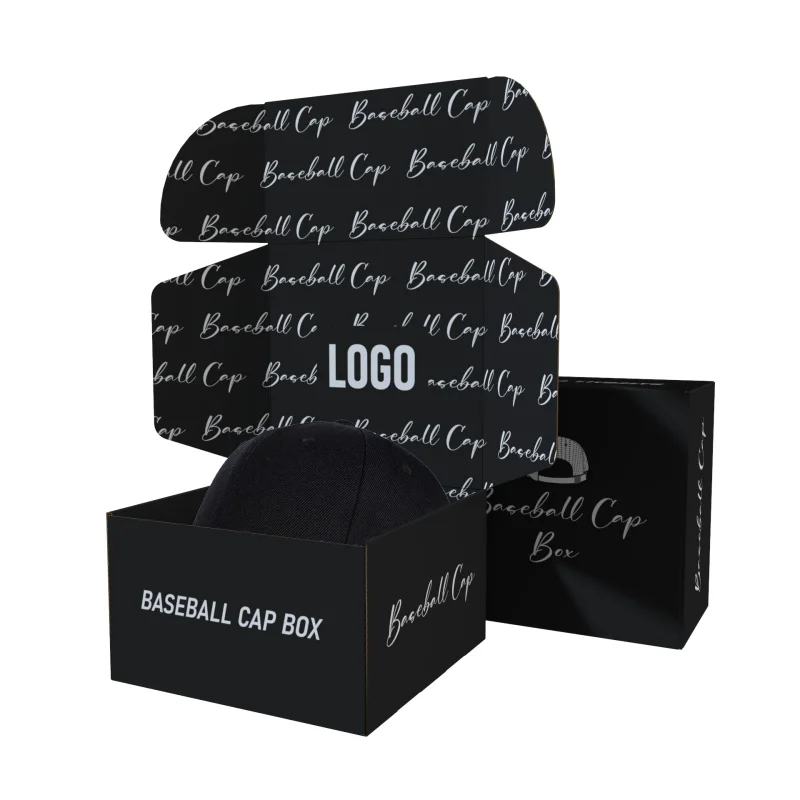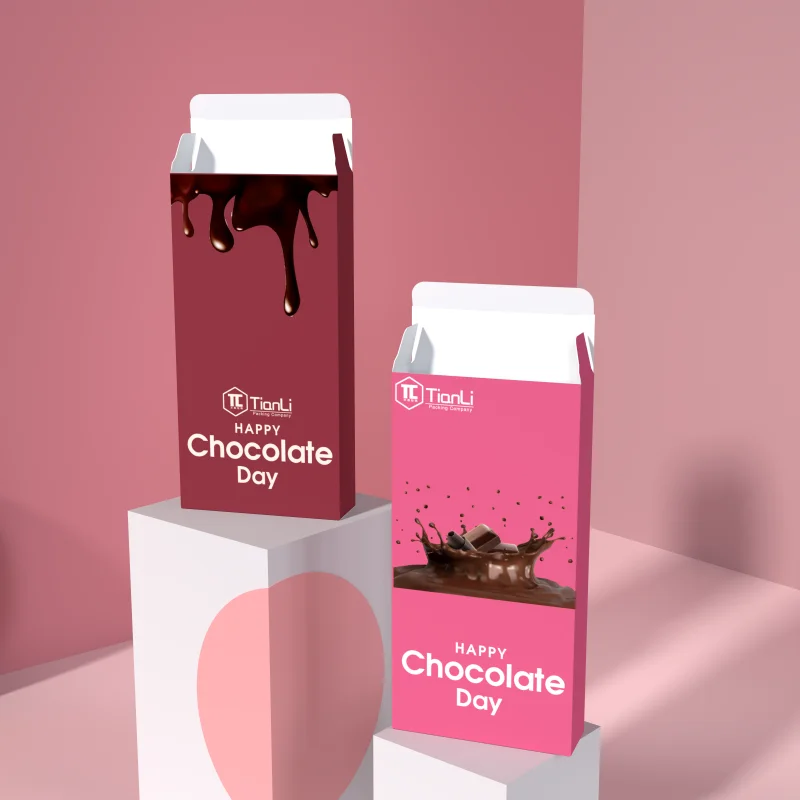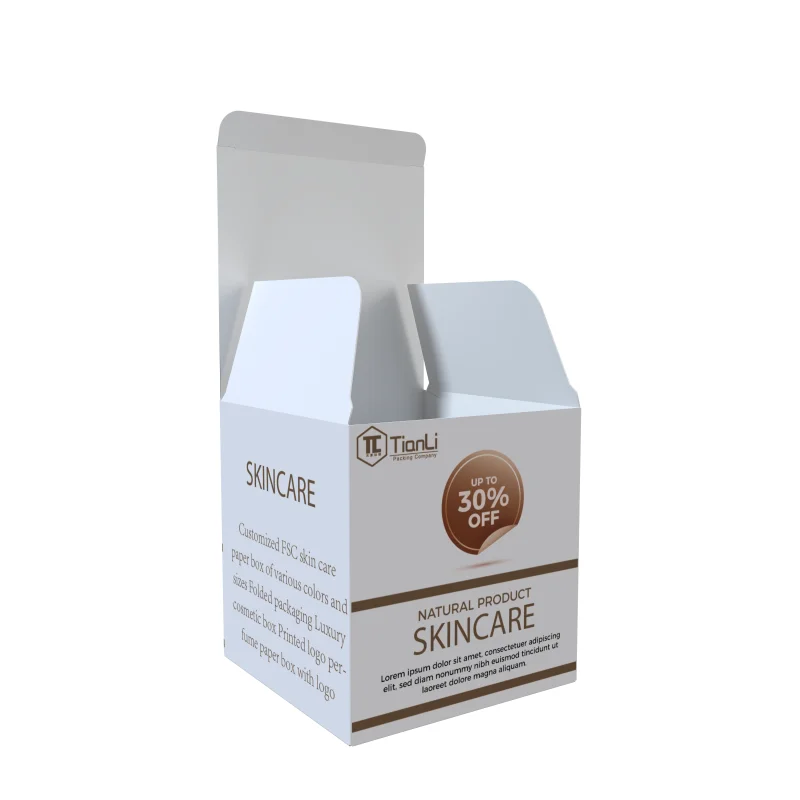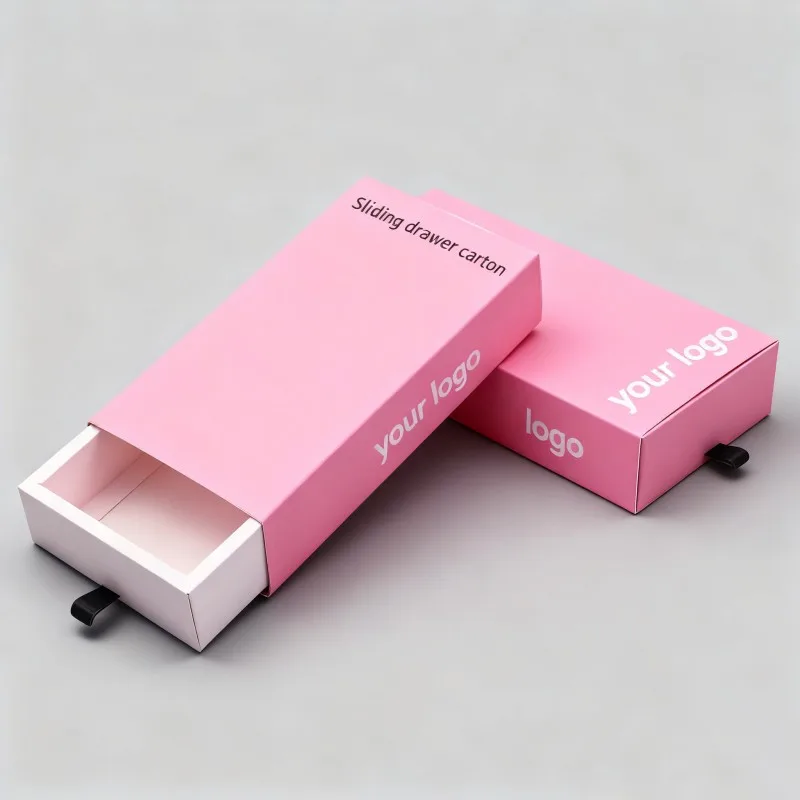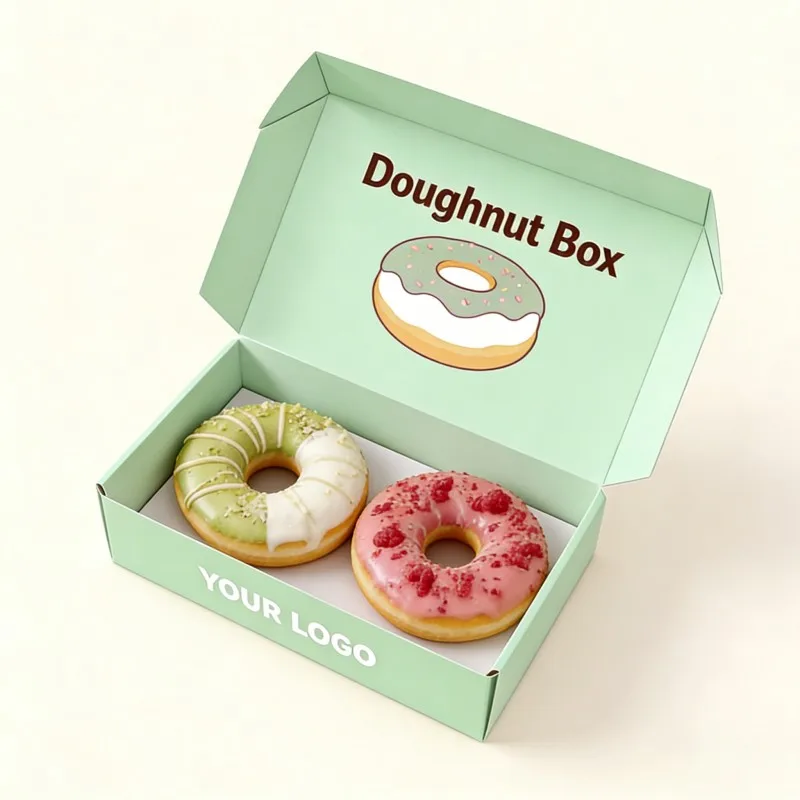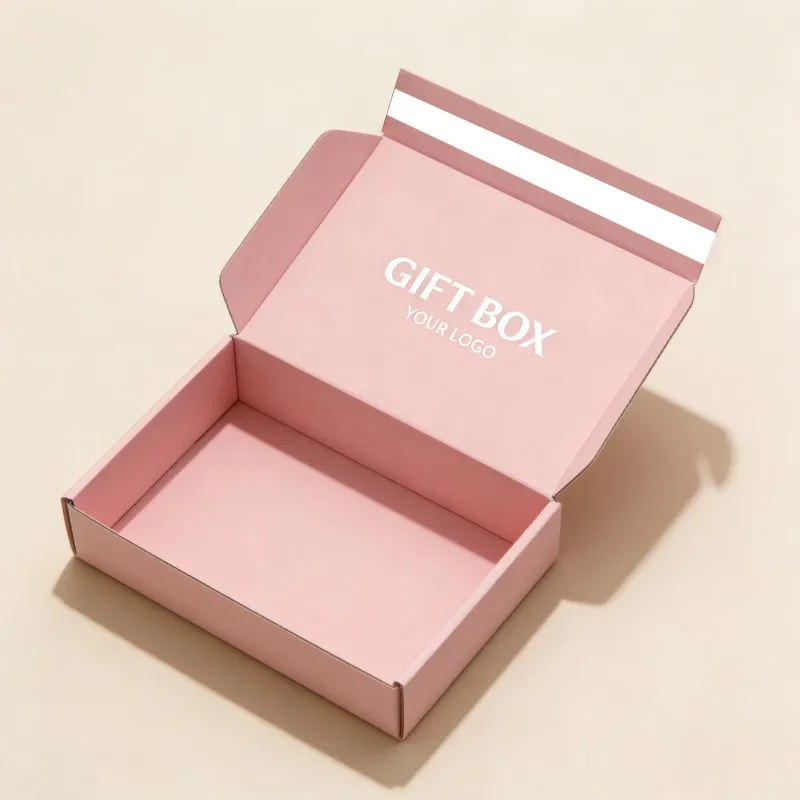
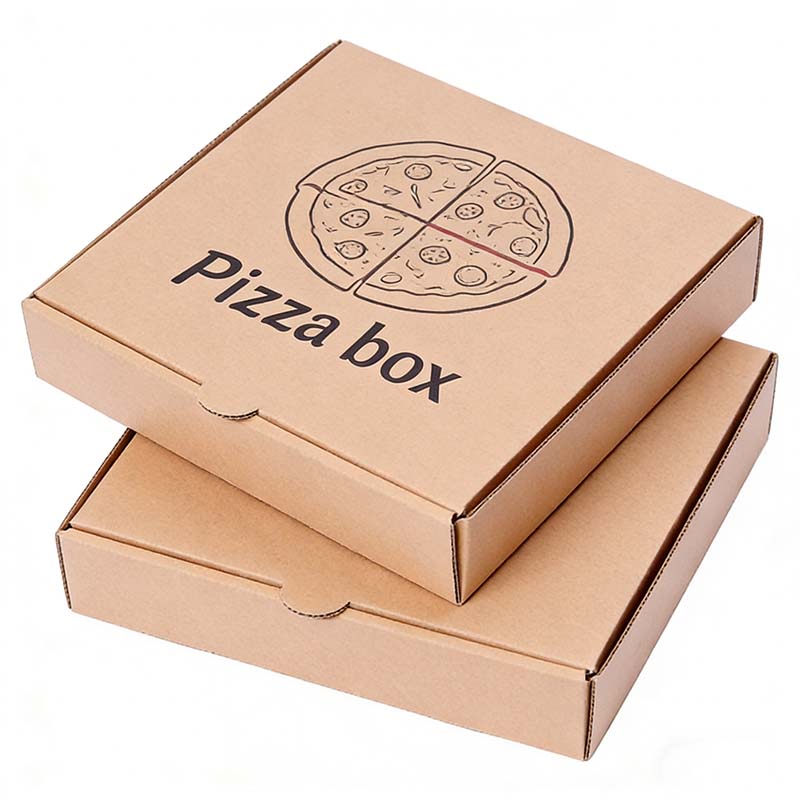
A packaging box serves as more than just a simple container. For food brands, supplement sellers, fruit suppliers, and e-commerce teams, this item plays a vital role in the whole product journey. It shields goods during shipping. Furthermore, it makes stock much easier to store. A solid carton builds brand trust. It also ensures that buyers get their items in a clean and flawless state. If a business picks the wrong box, the bad results become obvious very quickly. You will often see crushed corners, leaking food, or broken bottles. Wasted space and higher return costs are also common issues.
Today, modern packaging choices face new market demands. Buyers want recyclable materials and right-sized cartons. They also expect strict food-contact safety and a big drop in plastic use. A good packaging box has to meet all these specific needs at once. First, it must fit the product perfectly. Second, it needs to survive rough handling. The carton must also stack safely in storage areas. Finally, it should still look great when customers finally open it.
Before picking a specific box style, buyers need to study the actual product. A food tray, a supplement bottle, a lipstick box, and a late-season fruit gift pack face very different risks. For example, one item might require strong oil resistance. Another product could need a special insert. Meanwhile, a third option might demand good airflow or extra compression strength.
A practical box plan always begins with exact measurements. You must record the length, width, height, diameter, and total packed weight. For liquid supplements, you should note the 250 mL, 500 mL, or 1 L bottle formats. For food and fruit, always include the full serving weight. Common examples are 1 kg snack packs, 2 kg fruit boxes, or 5 kg family cartons.
A reliable packaging manufacturer will ask how the product actually moves. Will the goods sit inside a warehouse for several weeks? Will workers stack them three cartons high? Will the items travel through rough cross-border shipping routes? A corrugated carton often works best for outer transport. On the other hand, a kraft paperboard box might be a better choice for direct food presentation.
Key checks include:
Food packaging must protect the taste, shape, heat, and overall cleanliness of the meal. A beautiful design is simply not enough. It fails if oil leaks through the bottom base. It also fails if trapped steam softens crispy fried food. For takeaway, delivery, and retail food items, the physical structure matters just as much as the exterior printing.
Food packaging boxes have to match the actual condition of the meal. Fried chicken requires strong oil resistance. It also needs carefully controlled ventilation. Pizza demands tough board strength and proper heat support. Burgers, noodles, salads, sushi, and baked goods all have unique requirements. Each item needs a different closure style, special coating, and specific inner space.
Tianli Packaging offers custom food boxes for fried chicken, burgers, pizza, noodles, salads, sushi, and takeaway meal sets. We can produce single chicken boxes and large family buckets. Our team also makes fold-lock food boxes and custom pizza boxes with logo designs. Furthermore, we supply portable snack boxes featuring highly practical structures for fast daily service.
For buyers searching for caja fried chicken packaging, the primary concern must be daily performance. The container must resist heavy grease. It should also close very quickly. Moreover, it needs to keep the hot food from being crushed. A carry box with reinforced handles proves highly useful for heavier customer orders. Meanwhile, a fold-lock structure helps restaurant staff pack meals much faster during busy peak hours.
Supplements usually come in bottles, jars, sachets, or small cartons. These health products might look quite simple. However, they need steady protection during long transport and warehouse storage. A loose bottle can easily hit the carton wall multiple times. A weak box might dent under pressure. This damage makes the product look far less reliable, even if the inside contents remain perfectly safe.
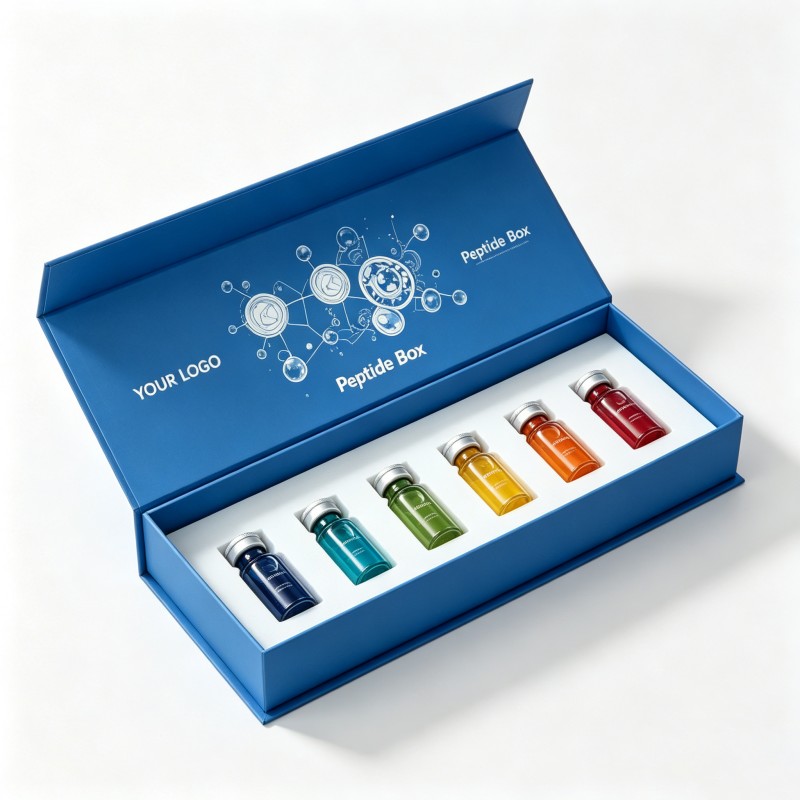
For supplement packaging boxes, the inner fit plays a massive role. It is often the main difference between a safe shipment and a costly return. Bottles can be held securely with paperboard dividers. They also work well with molded inserts or other fitted supports. Sachets and small pouches might require a compact mailer. Alternatively, they could use a folding gift box, depending largely on the chosen sales channel.
A 250 mL bottle does not require the exact same structure as a heavy 1 L bottle. A multi-pack also needs enough safe space between individual items. This spacing is especially critical when brands use fragile glass containers. If the business sells the item online, the retail box and the transport carton must work closely together. The retail box presents the product beautifully. Meanwhile, the outer carton handles rough shocks, heavy pressure, and daily sorting.
Tianli Packaging provides custom packaging services from initial structure design and sampling to printing, finishing, production, and final delivery planning. We actively help buyers compare paperboard types, protective inserts, and surface coatings. We also test carton strength thoroughly before starting any mass production.
A packaging box has to perform well long before the customer ever sees it. In many modern businesses, boxes spend a lot of time in factories and large warehouses. They also sit in cold rooms, busy delivery stations, or crowded retail backrooms. If the cartons do not stack safely, the storage area becomes much harder to manage. As a result, product damage rates will quickly rise.
A corrugated carton usually serves as the core structure for safe storage and long-distance delivery. The fluted middle layer helps to absorb sudden shocks. This layer also gives the carton excellent stacking strength. Businesses often ship heavy products, fruit cartons, supplement cases, and mixed food orders. For these items, the specific board grade must match the packed weight and the expected storage conditions.
Our corrugated packaging boxes can be manufactured with a custom size and clear printed images. They can also feature handy handles, reinforced edges, and strong internal dividers. For larger commercial shipments, a transport carton requires strict testing. It should be tested carefully for downward compression, moisture exposure, and overall pallet stability.
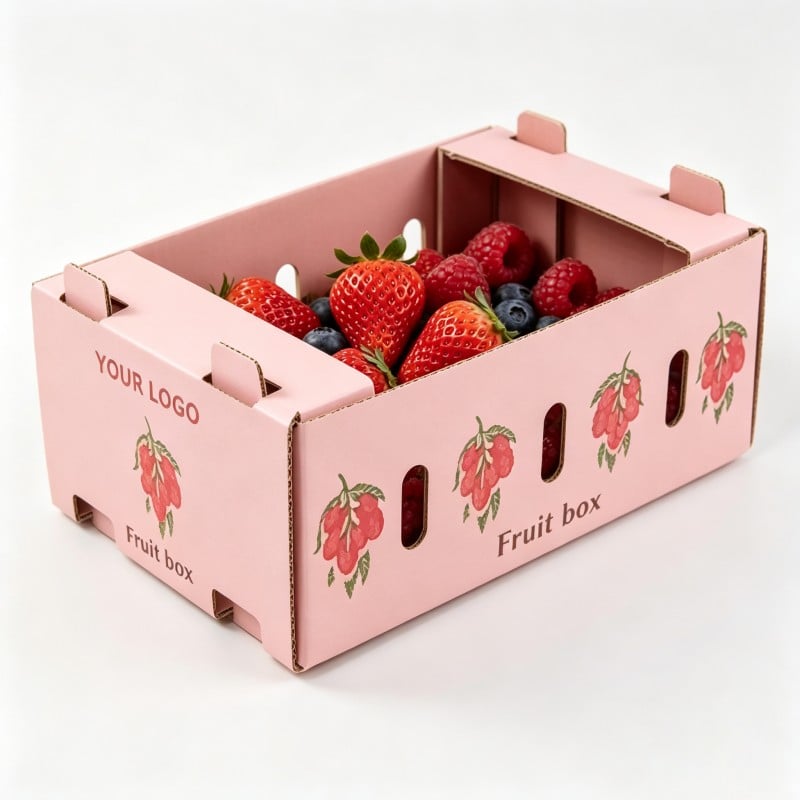
For second-half seasonal fruit, storage needs are extremely clear. These fruits include apples, pears, citrus, grapes, pomegranates, and persimmons. Good fruit boxes should reduce skin rubbing and allow suitable airflow. They must also hold their original shape under heavy weight. A 2 kg gift pack might need separate protective cells. In contrast, a 5 kg retail carton requires very strong edges and highly stable stacking capabilities.
Recent packaging trends point toward right-sized boxes, paper-based materials, recyclable design, and clearer environmental claims. In Europe, the Packaging and Packaging Waste Regulation is pushing brands to think more carefully about recyclability, empty space, and packaging waste. Buyers should treat these rules as design pressure, not just paperwork.
A kraft paperboard box is a strong choice for natural-looking food, tea, snacks, fruit, and wellness products. White card works well when bright printing, product images, or clean supplement branding are important. Corrugated board is better for outer shipping, heavier loads, and warehouse stacking.
For direct food contact, buyers should ask about paper grade, coating, ink, and test support. The FDA food contact guidance is useful for brands selling into the United States. In practical terms, food packaging should not only look safe; it should be made from suitable materials for the product and market.
Tianli Packaging can provide FSC paper options, food-grade materials, oil-resistant structures, and recyclable paper packaging choices. We also support finishes such as matte lamination, gloss lamination, foil stamping, embossing, and spot UV when the product needs a stronger shelf presence.
Protection comes first, but presentation still matters. A box is often the first physical touchpoint between the customer and the product. For food, supplements, fruit, cosmetics, and gifts, packaging can make the purchase feel more reliable and more complete.
Good packaging design is clear. Product name, size, flavor, use, and storage notes should be easy to find. Images should match the real product and print well on the chosen material. A birthday packaging box can make food or fruit feel gift-ready. A book gift box can support premium supplement sets. A folding gift box can save storage space before assembly.
Small product lines also benefit from consistent packaging. A supplement range may use the same design language across 250 mL, 500 mL, and 1 L bottles. A food brand may use similar colors across burger boxes, fried chicken boxes, pizza boxes with logo, and snack trays. This makes products easier to recognize without making every box identical.
A reliable supplier should do more than quote a price. The right partner asks about the product, shipping route, storage needs, print goals, and market rules. This is especially important for food, supplements, and export packaging, where safety and consistency matter.
Use this buying checklist:
Explore more about Tianli Packaging. We work with food boxes, gift boxes, corrugated boxes, cosmetic packaging, and custom paper packaging for different shipping and storage needs.
A packaging box becomes a core solution when it solves several problems at once. It protects the product in shipping, keeps stock stable in storage, supports clean presentation, and helps the customer trust what they receive. Food packaging may need oil resistance, ventilation, and fast closing. Supplement packaging may need fitted inserts, strong outer cartons, and clear printed information. Fruit packaging may need airflow, compression strength, and careful size control for 1 kg, 2 kg, or 5 kg packs. The best choice starts with the product journey, then matches structure, material, print, and testing to real use. When this process is followed, packaging becomes a practical business tool, not just a box.
A: It protects freshness, shape, and cleanliness in 1 kg, 2 kg, or 5 kg food packs.
A: Usually no. 500 mL and 1 L bottles need different inserts and carton sizes.
A: Use a reinforced corrugated carton with airflow, dividers, and tested stacking strength.
 Hot News
2026-09-17
2026-09-02
2026-08-24
2026-08-13
2026-07-14
2026-07-01
 EN
EN