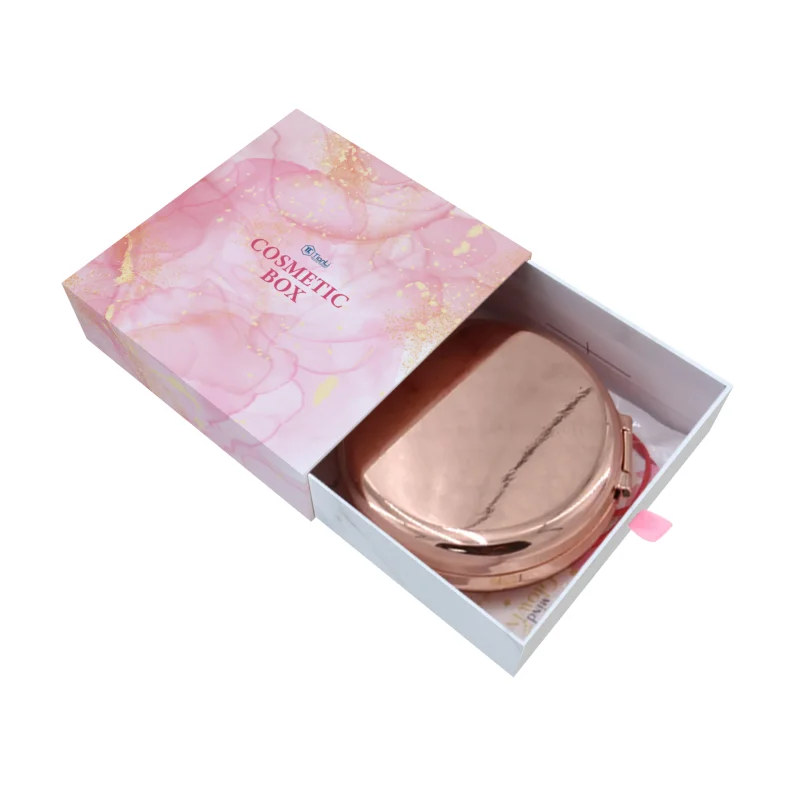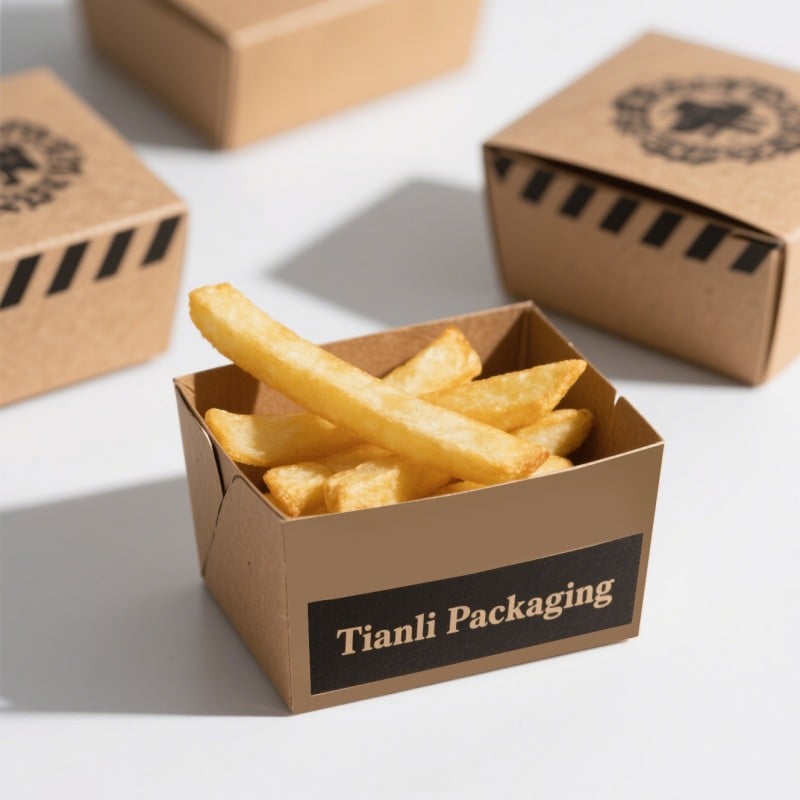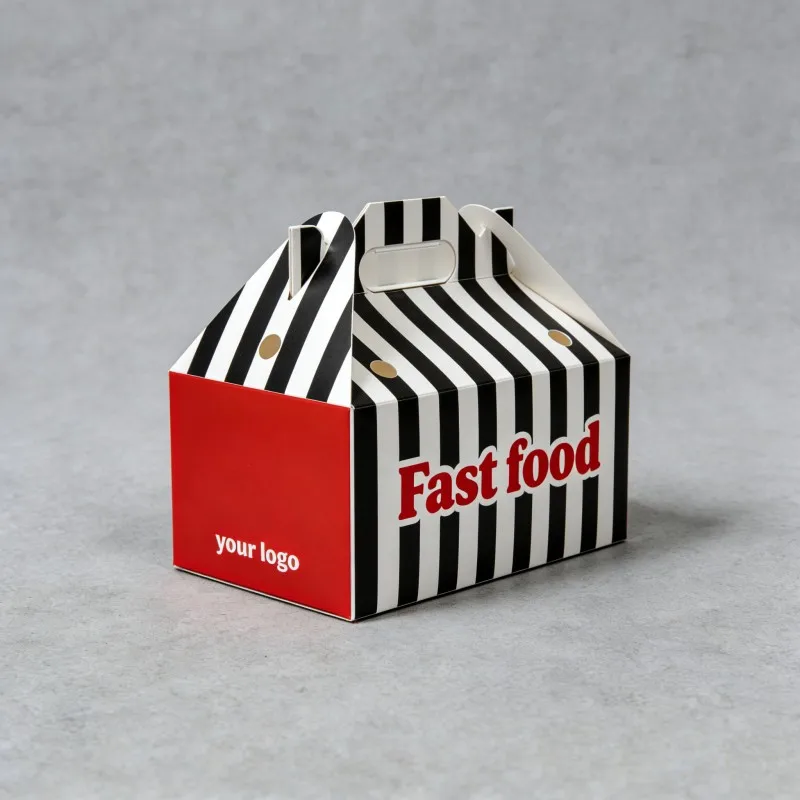
Prispôsobené Ovocie Krabica .
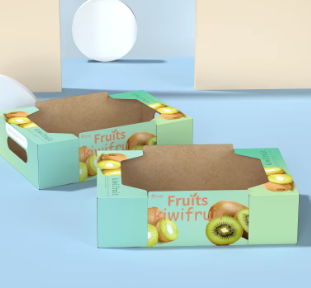
Od augusta až po zimu sa v obchodných oddeleniach s potravinami objavujú hrozno, jablká, hrušky, kaki, granátové jablká a citrusové plody. Tieto ovocné druhy sa líšia hmotnosťou, pevnosťou šupiny, strátou vlhkosti a príčinou nákupu. Prepravná krabica ich môže bezpečne dopraviť do obchodu, avšak automaticky nepomáha zákazníkom posúdiť čerstvosť, porovnať odrôdy ani odniesť ovocie domov. Dobré obchodné ovocné krabice tento medzeru prekonávajú.
Chránia potraviny a zároveň z neusporiadaného súboru plodov vytvárajú jasnú a hodnotnú ponuku. Okienko môže ukázať farbu a stupeň dozrievania. Silný rám z papierovej dosky udržiava balenie pekné a usporiadané, keď si ho zákazník zdvihne. Tlačené panely vysvetľujú pôvod, triedu, chuť alebo návrhy na podávanie. Spoločne tieto detaily zjednodušujú nakupovanie a zvyšujú pravdepodobnosť, že si výrobok všimnú.
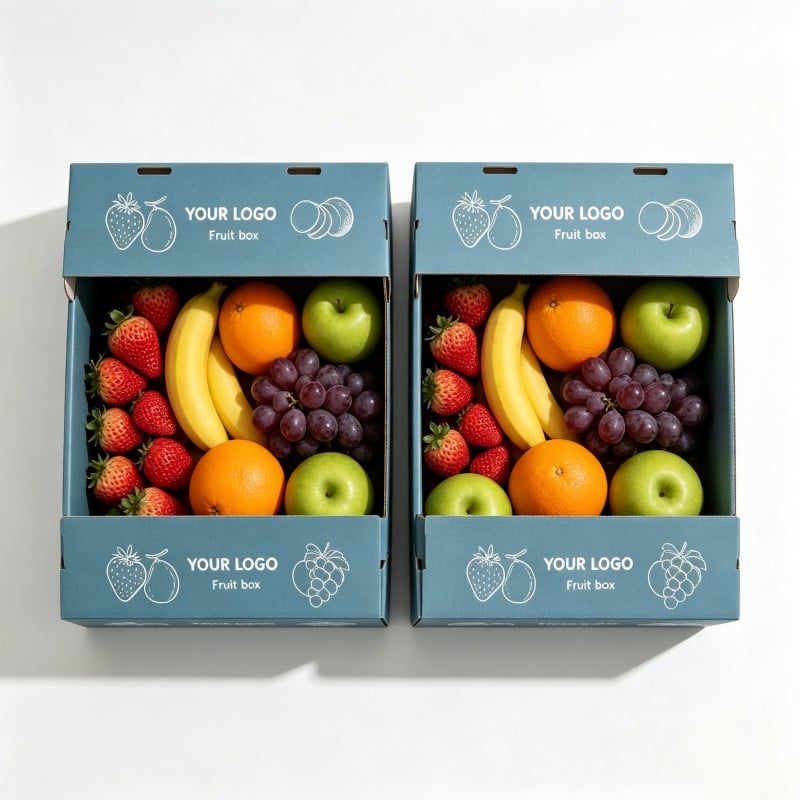
Balíček ovocia súťaží v rušnom prostredí plnom jasného ovocia, rukopisne napísaných cenových štítkov, chladených políc a neustáleho manipulovania. Dobré obalové balenie vytvára poriadok bez zakrývania produktu. Nasledujúce návrhové rozhodnutia pomáhajú predávajúcim vytvoriť čistú prezentáciu a zároveň umožňujú zákazníkom pochopiť ponuku za niekoľko sekúnd.
Opakujúce sa tvarové krabičky tvoria pekný farebný blok na polici alebo na ovocnej stolici. Toto je obzvlášť užitočné pre premium hrušky, jablká na darčeky, granátové jablká a citrusové zmesi. Konzistentné predné panely umožňujú značku ľahko nájsť z niekoľkých metrov, zatiaľ čo ovládané okno alebo otvorená horná časť zachováva prirodzenú farbu ovocia ako hlavnú atrakciu.
Silný vizuálny blok tiež oddeluje premium ovocie od voľne predávaného ovocia. Zákazníci môžu rýchlo rozpoznať produkt ako vybranú kategóriu, sezónnu zbierku alebo možnosť darčeka. Toto rozlíšenie môže podporiť vyššiu vnímanú hodnotu bez nadmerného používania dekorácií.
Ovocie z neskorého obdobia často zahŕňa niekoľko odrody s podobným vzhľadom, no odlišnou chutou. Jednoznačné informácie na hlavnom paneli umožňujú rozlíšiť krištáľovo krehké od mäkkých hrušiek, sladké od kyslých jabĺk, hrozno s kôstkami od bezkôstkovej verzie alebo citrusové plody vhodné na ľahké olúpanie od tých vhodných na výrobu džúsu. Veľké písmo, jednoduché ikony a umiernené farebné kódovanie skracujú dobu rozhodovania bez preplnenia dizajnu.
Užitočná hierarchia informácií začína názvom ovocia a odrodou, nasleduje hmotnosť balenia, pôvod, trieda a stručný popis chuti. Na sekundárnych paneloch možno uviesť pokyny na uchovávanie a návrhy na podávanie. Tento prístup rešpektuje zákazníkov, ktorí si želajú rýchlu voľbu, a zároveň poskytuje detailne zameraným kupujúcim dostatok informácií na pocit istoty.
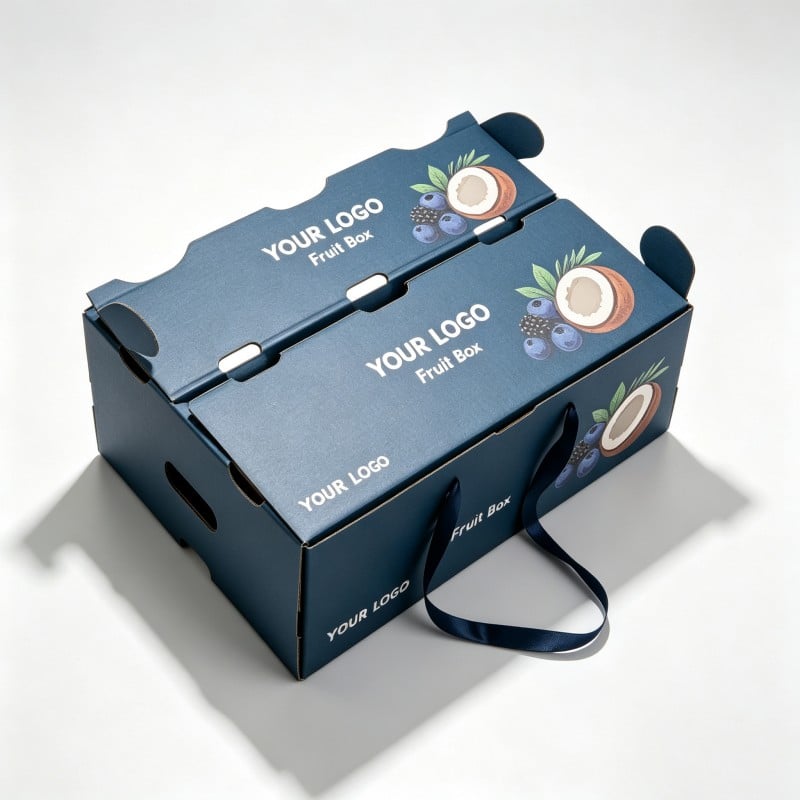
Záujem o ovocie v obchodnom priestore sa nedá dosiahnuť zložitou akciou. Začína, keď balenie vyzve zákazníka, aby sa na ovocie pozrel, dotkol sa ho, dozvedel sa niečo o ňom alebo si predstavil, ako ho môže použiť. Účinné obalové riešenia pre jeseňové ovocie kombinujú fyzickú interakciu s dôveryhodnými informáciami a poskytnú záujmovým zákazníkom jednoduchý spôsob, ako pokračovať online.
Zákazníci najskôr posudzujú ovocie zrakom. Vystrihnuté okno môže odhaliť farbu a stav povrchu, zatiaľ čo vetracie otvory môžu podporiť prúdenie vzduchu, ak to vyžaduje samotný produkt alebo dodávateľský reťazec. Otvor musí byť umiestnený opatrne. Ak je príliš veľký, krabica môže stratiť pevnosť. Ak je príliš malý, zákazníci môžu mať pocit, že obal skrýva kvalitu.
Textúra papiera tiež posielá správu. Prirodzený kraft papier môže podporiť postoj zameraný na farmy a minimalizáciu odpadu. Hladký biely kartón umožňuje jasné sezónne grafiky a presné farby. Pre ovocie určené ako darček sa tu hodí pevná alebo vlnitá štruktúra, ktorá pridá hmotnosť bez nadmerného ozdobenia. Výber materiálu by mal zodpovedať cenovému segmentu a podmienkam manipulácie, nie len vizuálnemu trendu.
Malý QR kód môže prepojiť fyzický obal s miestom pôvodu (sadom), dátumom žatvy, postupmi pestovateľa, odporúčaniami pre skladovanie, receptami alebo ponukou vernostnej programu. Toto je obzvlášť užitočné pre jablká, hrušky a citrusové plody, ktoré sa môžu zdať známe, no majú konkrétny regionálny príbeh.
Prepojená stránka by mala načítať rýchlo, zodpovedať skutočnú otázku zákazníka a fungovať bez nutnosti registrácie. Tlačený výzva k činnosti by mala byť konkrétna. Výrazy ako „Zoskenujte pre podrobnosti o žatve“ alebo „Pozrite si tri spôsoby podávania tejto hrušky“ poskytujú návštevníkom jasný dôvod konať. Nejasná výzva „Zoskenujte ma“ má veľmi malú hodnotu.
QR kód na obale ovocia môže značkám tiež pomôcť aktualizovať sezónne informácie bez toho, aby na krabicu umiestňovali príliš veľa textu. Rôzne kódy sa môžu používať pre oblasti pestovania, dávky žatvy, trhy pre maloobchod alebo obmedzené sezónne kampane.
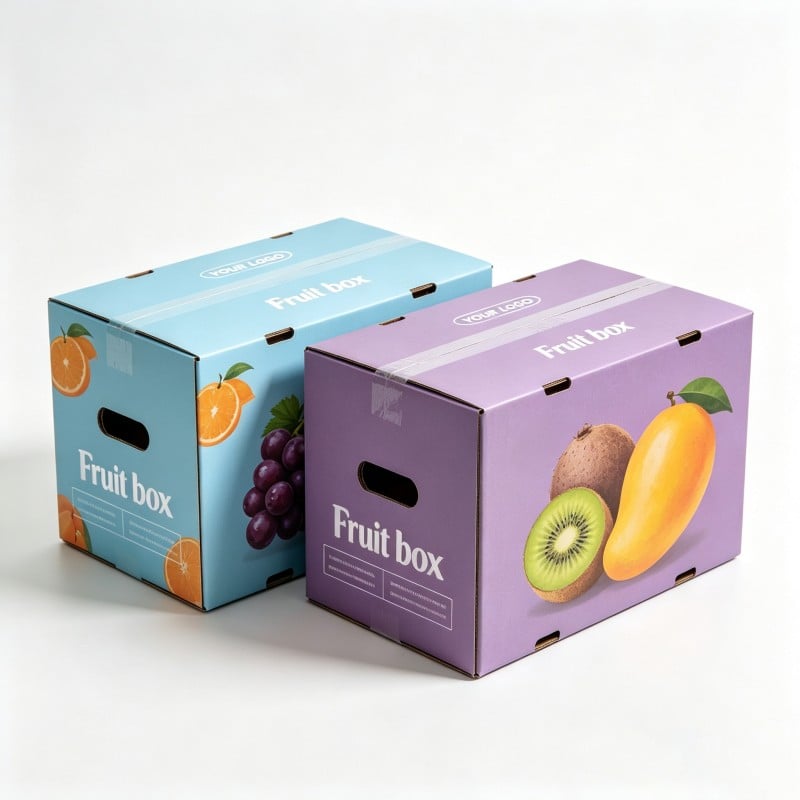
Neexistuje univerzálna krabica na ovocie. Správna štruktúra závisí od rizika poškodenia, hmotnosti balenia, dýchania plodov, podmienok chladového reťazca a spôsobu, akým maloobchodný predajca produkt prezentuje. Pred výberom štýlu si dôkladne naplánujte celú cestu od linky na balenie až po paletu, sklad, výklad, pokladňu a kuchyňu zákazníka.
Obaly na ovocie pripravené na výkladňu môžu tiež znížiť pracovné zaťaženie v obchodoch. Odtrhávateľné panely, rýchlo otváracie podnosy a predvystihnuté balenie umožňujú zamestnancom rýchlejšie dopĺňanie výkladov. Menší počet manipulačných krokov môže znížiť neúmyselné poškodenie. Každá perforácia a každé ucho však musia byť otestované pri najvyššej očakávanej vlhkosti a zaťažení.
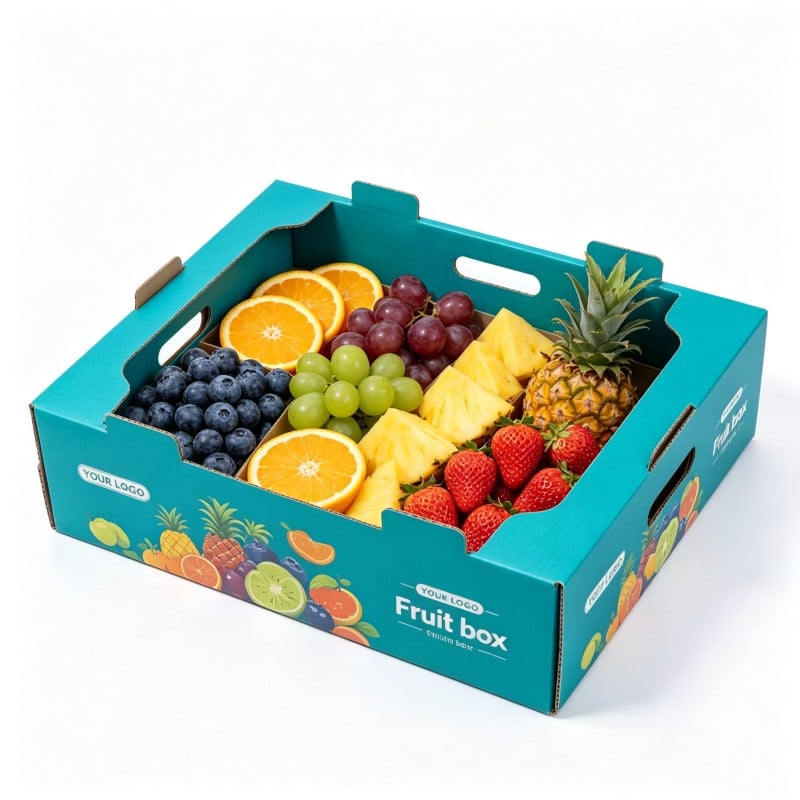
Ovocie a zelenina b ox.
Udržateľnosť sa presunula z vedľajšej deklarácie na otázku nákupu a dodávok. Nedávne výskumy obalov pre zeleninu a ovocie uvádzajú vysoký záujem spotrebiteľov aj obchodných reťazcov o recyklovateľných obaloch.
Súčasne nariadenie EÚ o obaloch a odpadových obaloch smeruje trh k menej odpadu, jasnejším štítkom a obalom navrhnutým pre recykláciu. Tieto zmeny zvyšujú hodnotu jednoduchých a dobre zdokumentovaných štruktúr.
Odstraňovanie obalov bez zohľadnenia poškodenia môže viesť k väčšiemu odpadu ovocia. Lepším cieľom je optimalizácia veľkosti: dostatok materiálu na prežitie prepravy a manipulácie, žiadne nadbytočné vrstvy a jasná cesta na konci životnosti.
Škatuľa z papierovej lepenky s papierovým vložením môže byť jednoduchšie vysvetliteľná ako balenie zostavené z niekoľkých spojených materiálov, pokiaľ stále spĺňa požiadavky na kontakt s potravinami a výkon. Zníženie prázdneho priestoru môže tiež zvýšiť účinnosť paletizácie a znížiť množstvo materiálu použitého na každý balík ovocia.
Značky by mali požadovať špecifikácie materiálov, dokumenty týkajúce sa kontaktu s potravinami (ak je to relevantné) a jasné opisy povlakov, okienok, farieb a lepidiel. Široké environmentálne tvrdenia by sa mali vyhýbať, pokiaľ ich nie je možné podporiť. Jasný návod na likvidáciu je pre zákazníkov užitočnejší než dlhý zoznam výrazov znelo „zeleno“.
Možnosť recyklácie ovplyvňuje celý obal, nie iba hlavný papierový kartón. Veľké plastové okienka, ťažko oddeliteľné vložky, silné lamináty a dekoratívne časti môžu komplikovať triedenie.
Ak je potrebná priehľadnosť, zvážte otvorené okienko alebo malý prvok z fólia, ktorý môžu zákazníci ľahko odstrániť. Používajte úpravy výberovo a rezervujte ich len pre informácie alebo značkové údaje, ktoré pridávajú skutočnú hodnotu.
Trh Pokyny Európskej komisie týkajúce sa obalov uvádza, že všetok obal v EÚ by mal byť do roku 2030 recyklovateľný, pričom nariadenie sa začne všeobecne uplatňovať v auguste 2026. Vývozcovia by mali túto požiadavku už teraz považovať za zadanie pre návrh: zdokumentovať cestu materiálu, znížiť prázdne priestory a preskúmať každú súčasť podľa pravidiel a systému recyklácie cieľového trhu.
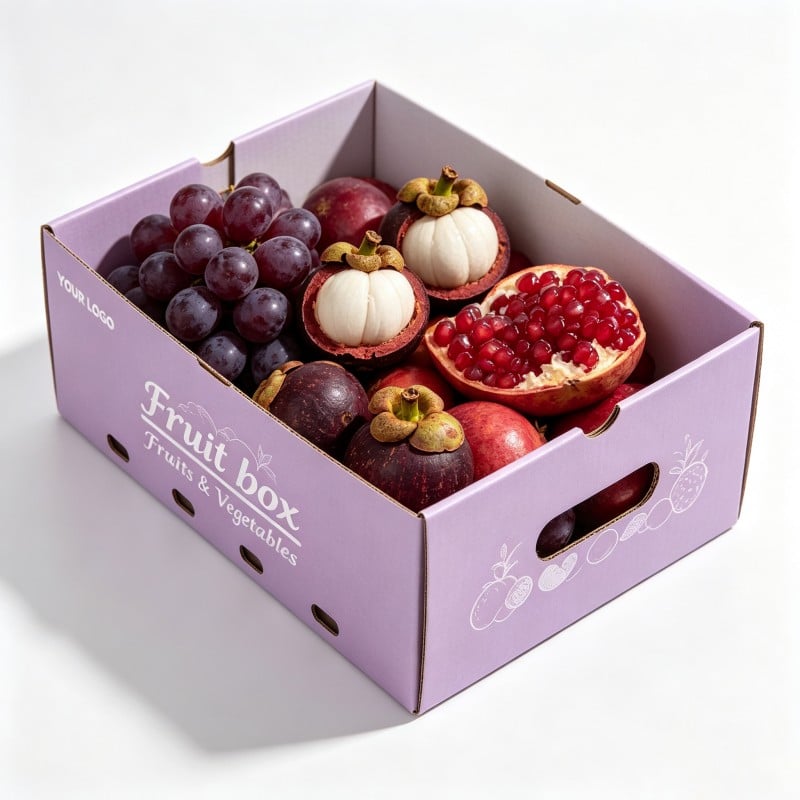
Silná krabica vzniká na základe merateľných rozhodnutí. Pred schválením špeciálne vyrobených krabíc na balenie ovocia zorganizujte spoločnú revíziu s pestovateľom, balícou, predávajúcim, dizajnérom a dodávateľom obalov. Každá strana vidí iný potenciálny bod zlyhania.
Použite nasledujúci kontrolný zoznam, aby ste udržali vizuálny atraktívny vzhľad v súlade s ochranou tovaru a prevádzkovými požiadavkami predajne:
Testovanie musí odrážať reálne podmienky. Krabica, ktorá sa správa dobre v suchom vzorkovacom priestore, sa môže správať inak pri chladenom skladovaní. Skúšobné prevádzkovanie musí zahŕňať očakávanú teplotu, vlhkosť, dobu skladovania v stĺpci, vzdialenosť prenášania a hmotnosť ovocia.
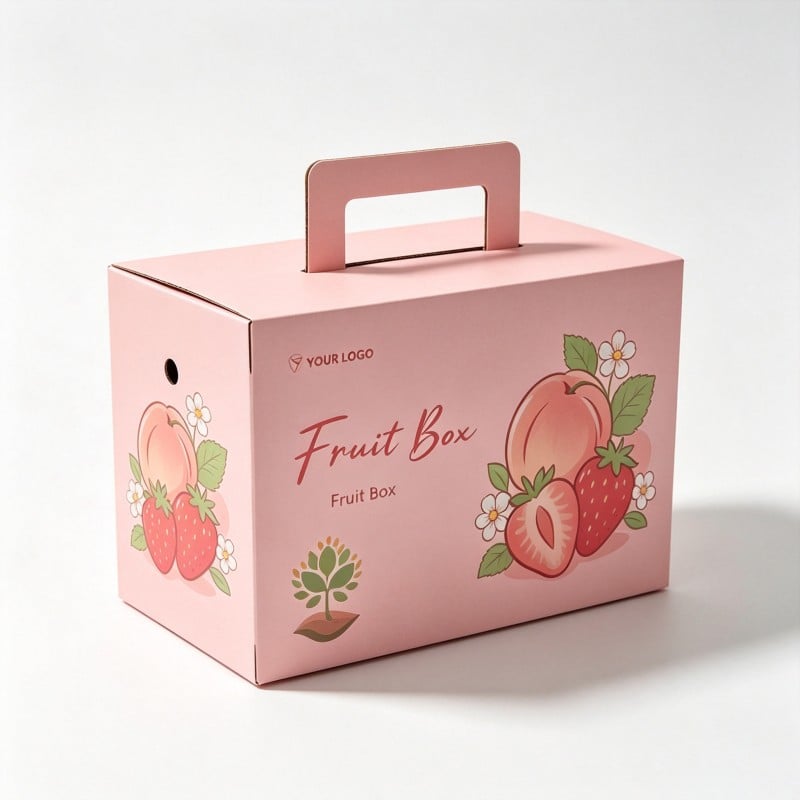
Krabička na broskyne .
ATTianLi Packaging , vyvíjame prispôsobené papierové obaly túto rovnováhu medzi zobrazením, ochranou a praktickou výrobou. Pre ovocie pozdného obdobia ,môžeme prispôsobiť pletené podložky, bielé obchodné krabičky, kraftové štruktúry, vložky, okná a prvky na prenášanie podľa veľkosti ovocia a predajného kanála.
Naše služba prispôsobenia zahŕňa štruktúru, materiál, farbu, vzorkovanie a plánovanie výroby. Odporúčame fyzické vzorky a testovanie balenia pred sezónnym spustením, najmä pre vlhké chladné reťazce alebo ťažšie darčekové balenie.
NÁŠ TÍM môžeme tiež diskutovať o možnostiach papiera certifikovaného FSC, potravinových materiálov tam, kde sú potrebné, a tlačových možnostiach, ktoré podporujú jasné správy o recyklácii. Navštívte TianLi Packaging a naplánujte obchodnú krabičku, ktorá vyzerá silne na polici a zároveň zostáva praktická za ňou.
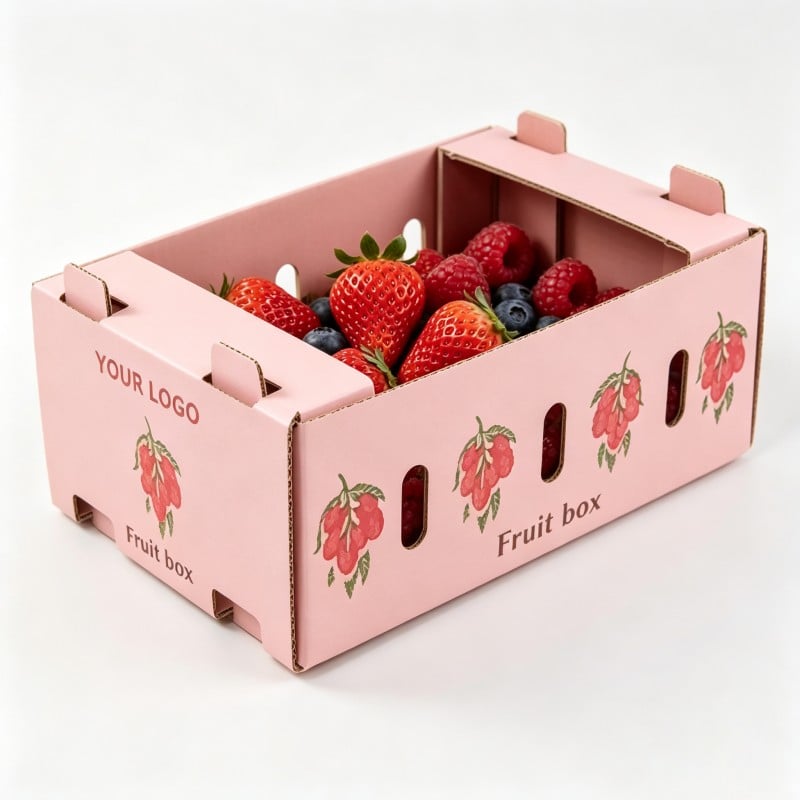
Obchodné krabičky zlepšujú výklad ovocia, keď uľahčujú zákazníkom vidieť, porovnávať, manipulovať s produktmi a dôverovať im. Pre hrozno, jablká, hrušky, kaki, granátové jablká a citrusy, ktoré prichádzajú v druhej polovici roka, má štruktúra prednosť pred dekoráciou. Pevné steny, vhodné vetranie, mierne veľké okná, jasné označenie odrôdy a pohodlné prvky na prenášanie podporujú ako zákazníkov, tak aj zamestnancov obchodu.
Udržateľnosť predstavuje ďalší návrhový test: balenie by malo využívať len nevyhnutné množstvo materiálu a jasne komunikovať vierohodnú možnosť likvidácie. Dobre naplánovaná obchodná krabička na ovocie môže znížiť neporiadok, podporiť príbeh sezónnosti a premieniť bežný nákup potravín na istý výber. Najlepšie výsledky sa dosahujú po skutočných testoch balenia, prepravy, výkladu na policách a recyklácie ešte pred úplným spustením výroby.
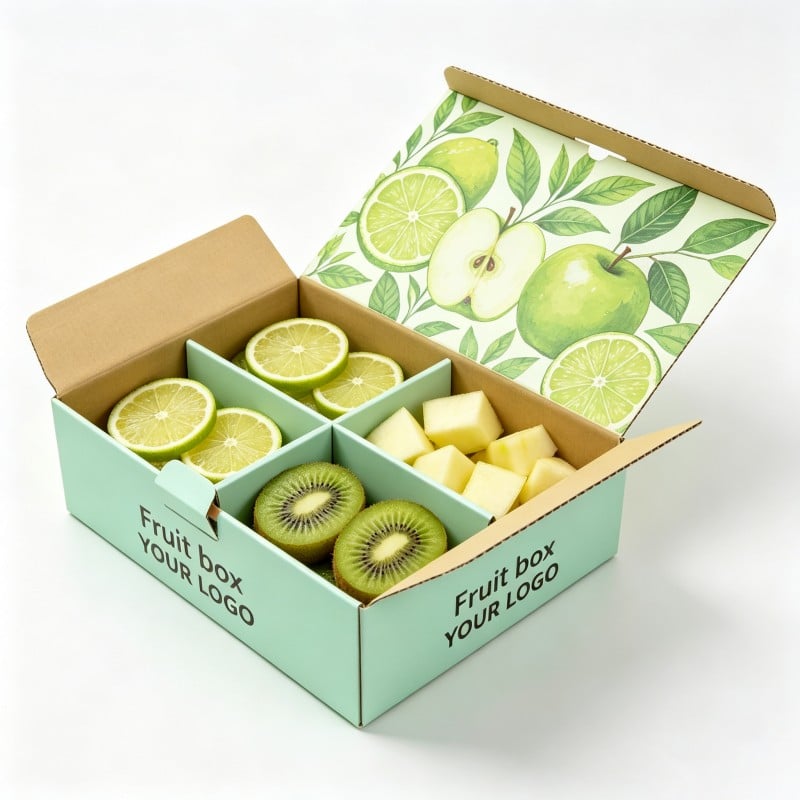
A:Bežné možnosti sú 1 kg, 2 kg a 5 kg, v závislosti od druhu ovocia a dostupného miesta na policách.
A:Áno. Zosilnené rýhované štruktúry dokážu uniesť 5 kg alebo viac po skúške zaťaženia a vlhkosti.
A:Môže zdieľať informácie o pôvode, dátumoch zberu, odporúčaniach na uchovávanie, receptoch a sezónnych ponukách za niekoľko sekúnd.
 Novinky
2026-09-17
2026-09-02
2026-08-24
2026-08-13
2026-07-14
2026-07-01
 EN
EN