 EN
EN

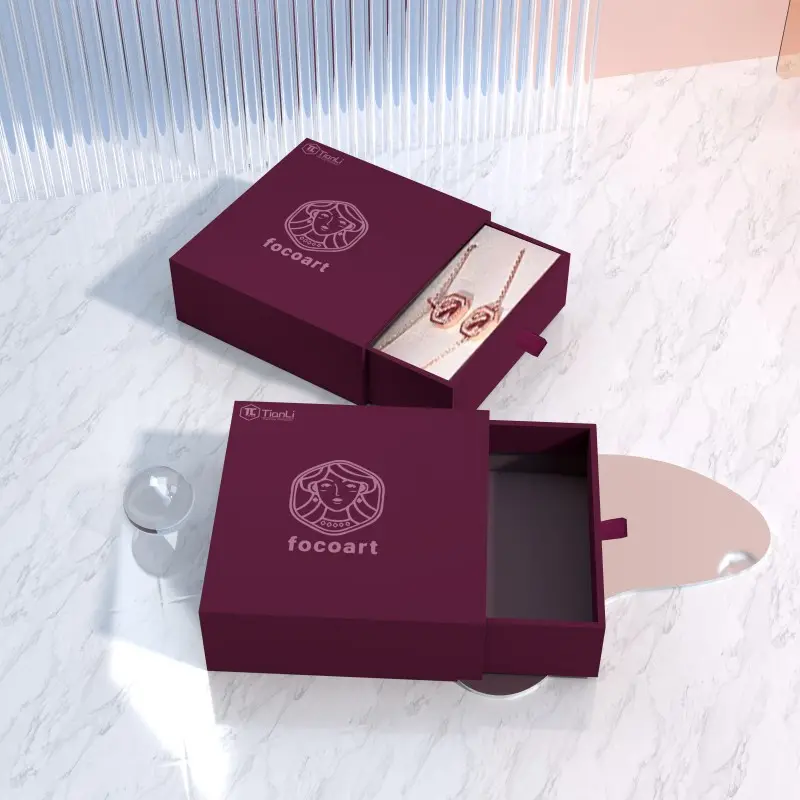
When transporting precious jewelry and delicate accessories, proper protection becomes paramount to maintaining their pristine condition and value. A high-quality jewelry box serves as the first line of defense against damage, scratches, and environmental hazards that can occur during shipping or personal travel. Understanding how these specialized containers safeguard your valuable pieces helps ensure your investment remains protected throughout any journey.
The sophisticated design of modern jewelry packaging incorporates multiple protective layers and cushioning systems specifically engineered to absorb shock and prevent movement. Professional jewelers and collectors rely on these containers to maintain the integrity of their pieces during transport, whether shipping to customers or relocating entire collections. The right jewelry box transforms potentially risky transportation into a secure process that preserves both aesthetic appeal and structural integrity.
Structural Engineering for Maximum Protection
Multi-Layer Construction Benefits
The foundation of effective jewelry protection lies in sophisticated multi-layer construction that addresses various threats simultaneously. Premium jewelry boxes feature rigid outer shells made from durable materials like high-grade cardboard, wood, or specialized composites that resist crushing forces during transport. These exterior layers work in conjunction with internal cushioning systems to create a comprehensive protective environment.
Interior compartments within quality jewelry packaging utilize soft materials such as velvet, satin, or foam padding that cradle individual pieces without applying excessive pressure. This dual-approach design ensures that external impacts are absorbed by the structural framework while delicate surfaces remain untouched by abrasive materials. The engineering principles behind this construction mirror those used in high-end shipping containers for sensitive electronics and medical equipment.
Shock Absorption Technology
Advanced shock absorption in jewelry boxes relies on carefully calculated material densities and strategic placement of cushioning elements. Dense foam layers positioned at critical stress points distribute impact forces across larger surface areas, preventing concentrated pressure that could damage gemstone settings or bend delicate metal components. This technology proves especially crucial when packages experience drops or rough handling during commercial shipping.
The effectiveness of shock absorption systems depends on matching the cushioning material properties to the specific types of jewelry being transported. Softer items like gold chains require different protection parameters than rigid pieces such as watches or thick bracelets. Professional-grade jewelry boxes incorporate variable-density padding that adapts to different jewelry categories while maintaining consistent protection standards.
Moisture and Environmental Control
Humidity Management Systems
Moisture control represents a critical aspect of jewelry protection that extends far beyond simple water resistance. Quality jewelry boxes integrate moisture barriers and climate control elements that maintain stable humidity levels throughout the transport process. These systems prevent tarnishing in silver pieces, corrosion in base metals, and degradation of organic materials like pearls or amber.
Specialized moisture-absorbing materials incorporated into jewelry box design actively regulate internal humidity without creating overly dry conditions that might affect certain gemstones. Silica gel packets, moisture-barrier films, and breathable yet protective fabrics work together to create microenvironments optimized for jewelry preservation. This environmental control becomes particularly important during long-distance shipping or storage in varying climate conditions.
Temperature Regulation Features
Temperature fluctuations during transport can cause metal expansion and contraction that loosens stone settings or creates stress fractures in brittle materials. Effective jewelry box designs incorporate thermal insulation properties that buffer against rapid temperature changes and maintain more stable internal conditions.
Insulating materials within jewelry packaging systems provide thermal mass that slows temperature transitions, giving jewelry pieces time to adapt gradually rather than experiencing sudden thermal shock. This protection proves especially valuable when shipping between different climate zones or during seasonal weather extremes that create significant temperature variations in transport vehicles.
Secure Compartmentalization and Organization
Individual Item Isolation
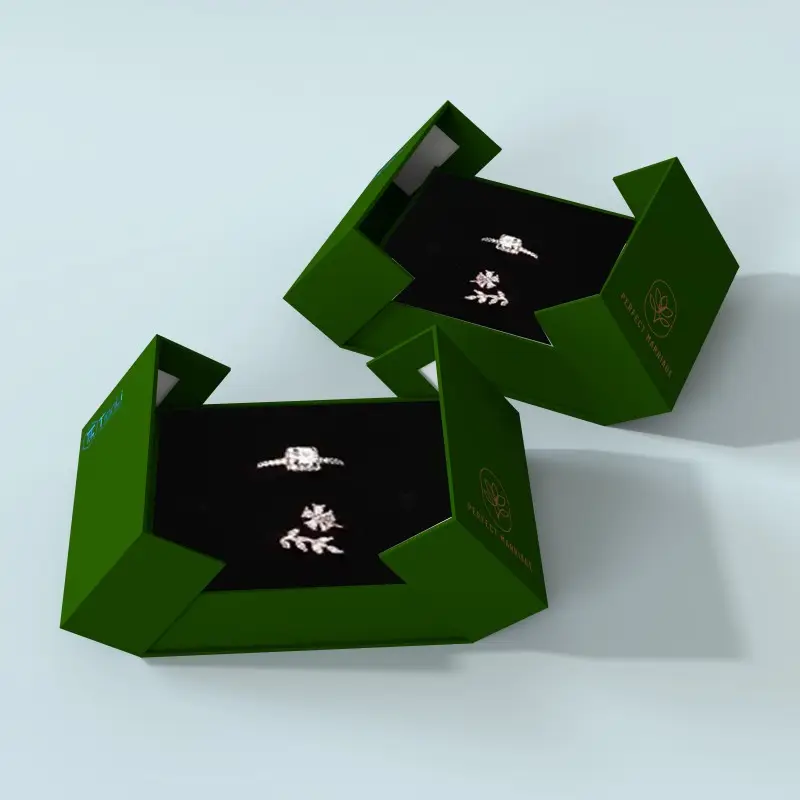
Preventing jewelry pieces from coming into contact with each other during transport eliminates the primary cause of scratches, chips, and tangling that can occur in poorly designed storage solutions. Professional jewelry boxes feature individual compartments, slots, or securing mechanisms that keep each piece isolated and stable throughout the journey. This compartmentalization approach prevents harder materials from damaging softer ones and maintains the organization essential for inventory management.
The sizing and configuration of these compartments must accommodate various jewelry types while maintaining secure positioning that prevents movement during handling. Custom-fitted sections for different categories such as rings, earrings, necklaces, and bracelets ensure optimal protection for each piece type. This specialized organization reduces handling time and minimizes exposure to potential damage during packing and unpacking processes.
Magnetic Closure Security
Modern jewelry boxes increasingly utilize magnetic closure systems that provide secure containment without the mechanical stress associated with traditional clasps or latches. These magnetic mechanisms create strong sealing forces that keep compartments closed during transport while allowing easy access when needed. The strength of magnetic closures can be engineered to specific requirements, ensuring adequate security without making the jewelry box difficult to open.
Magnetic closure systems also eliminate the risk of spring fatigue or mechanical failure that can compromise traditional locking mechanisms over time. This reliability becomes crucial for jewelry boxes that experience frequent opening and closing cycles or extended storage periods. The smooth operation of magnetic closures reduces the likelihood of sudden movements that might disturb carefully positioned jewelry pieces.
Material Selection and Durability
Premium Exterior Materials
The choice of exterior materials for jewelry boxes directly impacts their protective capabilities and longevity during repeated use and transport cycles. High-quality options include reinforced cardboard with laminated surfaces, solid wood construction, or advanced composite materials that offer superior strength-to-weight ratios. These materials must resist punctures, crushing forces, and environmental degradation while maintaining their structural integrity over extended periods.
Surface treatments and finishes applied to jewelry box exteriors provide additional protection against moisture, scratches, and chemical exposure that might occur during transport. Professional-grade finishes create barriers that prevent contaminants from reaching the underlying material structure while enhancing the overall durability of the container. These treatments also contribute to the professional appearance that reflects the value of the contents.
Interior Lining Quality
Interior lining materials must balance protective qualities with aesthetic appeal, creating environments that showcase jewelry while providing maximum protection. High-quality fabrics like velvet or satin offer excellent scratch resistance and attractive presentation, while specialized foam materials provide superior impact absorption and custom-fitting capabilities for irregular shapes.
The attachment methods used for interior linings affect both durability and protective effectiveness over time. Professional jewelry boxes utilize adhesives and mechanical fastening systems that prevent lining separation or shifting that could create rough surfaces or expose underlying materials. Quality control in lining installation ensures consistent protection throughout the useful life of the jewelry box.
Transportation-Specific Design Features
Stackability and Shipping Efficiency
Commercial jewelry transport often requires multiple jewelry boxes to be shipped together, making stackability a crucial design consideration. Properly engineered jewelry boxes feature reinforced corners, flat surfaces, and consistent dimensions that allow secure stacking without compromising the protection of individual units. This stackability reduces shipping costs while maintaining protection standards for each container.
The structural integrity of stacked jewelry boxes depends on load distribution features that transfer weight to the strongest parts of the container framework. Strategic placement of reinforcement ribs, corner supports, and load-bearing elements ensures that jewelry boxes maintain their protective capabilities even when subjected to the additional stresses of stacking and bulk transport.
Identification and Labeling Integration
Professional jewelry transport requires clear identification systems that allow handlers to recognize valuable contents and apply appropriate care during shipping and handling. Quality jewelry boxes incorporate label-friendly surfaces, transparent windows, or integrated identification systems that facilitate proper handling without compromising security or aesthetics.
These identification features must withstand transport conditions while remaining clearly visible and securely attached throughout the journey. Waterproof labeling areas, tamper-evident seals, and integrated tracking systems help ensure that jewelry boxes receive proper handling while maintaining chain of custody documentation for valuable shipments.
Quality Assurance and Testing Standards
Impact Resistance Validation
Professional jewelry box manufacturers subject their products to rigorous testing protocols that simulate real-world transport conditions and validate protective performance. Drop tests, compression tests, and vibration analysis ensure that jewelry boxes can withstand the stresses encountered during commercial shipping and personal transport scenarios.
These testing procedures help identify potential failure points and guide design improvements that enhance protective capabilities. Standardized testing protocols allow comparison between different jewelry box designs and help establish performance benchmarks that guide selection decisions for specific applications and value levels.
Long-term Durability Assessment
The protective effectiveness of a jewelry box must remain consistent over extended periods and multiple use cycles. Accelerated aging tests, repeated opening and closing cycles, and environmental exposure studies help validate the long-term durability of materials and construction methods used in jewelry box manufacturing.
Understanding the expected service life of jewelry box components allows users to plan replacement schedules and maintenance procedures that ensure continued protection. Quality manufacturers provide durability data and recommendations that help optimize the cost-effectiveness of jewelry protection systems over time.
FAQ
What makes a jewelry box effective for protecting items during shipping
An effective jewelry box for shipping combines rigid exterior construction with soft interior cushioning, individual compartments to prevent piece-to-piece contact, and environmental controls for moisture and temperature stability. The key is multi-layer protection that addresses impact absorption, scratch prevention, and environmental threats simultaneously while maintaining secure closure throughout transport.
How do magnetic closures compare to traditional clasps for jewelry box security
Magnetic closures offer superior reliability and durability compared to traditional mechanical clasps because they have no moving parts that can wear out or break. They provide consistent closing force, smooth operation that minimizes disturbance to contents, and eliminate the risk of sudden opening due to clasp failure. However, magnetic strength must be properly calibrated to ensure adequate security without making access difficult.
Can jewelry boxes protect against temperature changes during transport
Quality jewelry boxes provide thermal insulation that buffers against rapid temperature changes, though they cannot completely eliminate temperature variations during extended transport. The insulating properties slow temperature transitions, giving jewelry pieces time to adapt gradually and reducing thermal stress that could damage settings or cause material expansion issues.
What interior materials work best for different types of jewelry during transport
Soft fabrics like velvet work well for most jewelry types, providing scratch protection and attractive presentation. Foam inserts offer superior custom-fitting for irregularly shaped pieces and better impact absorption. The choice depends on jewelry hardness, shape complexity, and value level, with harder gemstones requiring softer cushioning materials and delicate pieces needing more supportive foam structures.
Table of Contents
- Structural Engineering for Maximum Protection
- Moisture and Environmental Control
- Secure Compartmentalization and Organization
- Material Selection and Durability
- Transportation-Specific Design Features
- Quality Assurance and Testing Standards
-
FAQ
- What makes a jewelry box effective for protecting items during shipping
- How do magnetic closures compare to traditional clasps for jewelry box security
- Can jewelry boxes protect against temperature changes during transport
- What interior materials work best for different types of jewelry during transport