 EN
EN

Selecting the right chocolate box vendor is a critical decision that can significantly impact your brand's success and customer satisfaction. Whether you're a small artisan chocolatier or a large-scale confectionery manufacturer, partnering with a reliable packaging supplier ensures your products are protected, presented professionally, and aligned with your brand identity. The process of choosing a chocolate box vendor involves evaluating multiple factors including quality standards, customization capabilities, production capacity, and long-term reliability. Understanding these key considerations will help you make an informed decision that supports your business growth and maintains product integrity throughout the supply chain.
Understanding Quality Standards in Chocolate Packaging
Material Safety and Food Grade Compliance
When evaluating a chocolate box vendor, material safety should be your top priority. Food-grade packaging materials are essential to prevent contamination and maintain product freshness. A reputable chocolate box vendor will provide certifications demonstrating compliance with FDA, FSC, and other relevant food safety standards. These materials must be free from harmful chemicals that could migrate into your chocolate products, potentially affecting taste, safety, and shelf life. Additionally, the packaging should offer adequate moisture and oxygen barriers to preserve chocolate quality during storage and transportation.
Quality chocolate packaging requires specific material properties including grease resistance, structural integrity, and temperature stability. Your chosen chocolate box vendor should offer materials that can withstand temperature fluctuations without compromising the packaging structure or allowing product contamination. The vendor should also provide detailed material specifications and test reports to verify compliance with international food packaging standards.
Structural Integrity and Protection Features
Chocolate products require robust protection during handling, shipping, and retail display. A professional chocolate box vendor will design packaging with appropriate cushioning, secure closures, and reinforced corners to prevent damage during transit. The structural design should accommodate different chocolate formats, from individual bars to multi-piece assortments, ensuring each product remains secure and undamaged until reaching the consumer.
The packaging structure should also consider stacking strength for efficient warehouse storage and retail display. Your chocolate box vendor should provide compression testing data and drop test results to demonstrate the packaging's ability to protect contents under various handling conditions. This protection level directly impacts customer satisfaction and reduces product returns due to damage.
Evaluating Customization Capabilities
Design Flexibility and Brand Integration
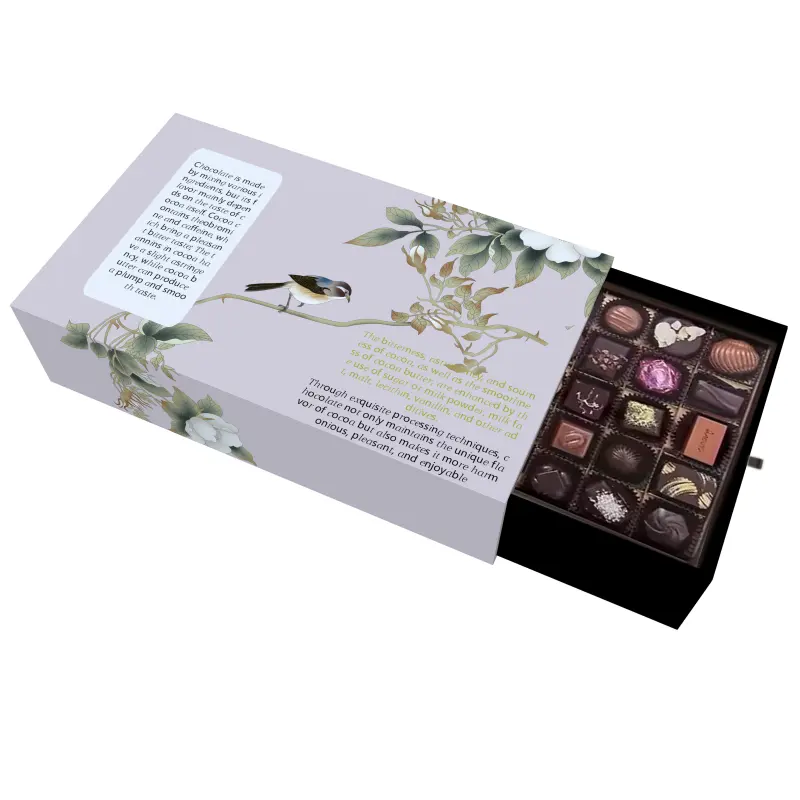
A skilled chocolate box vendor should offer extensive customization options to help differentiate your brand in the competitive confectionery market. This includes various box styles, sizes, colors, and finishing options such as embossing, foil stamping, and specialty coatings. The vendor's design team should collaborate with you to create packaging that reflects your brand personality while meeting functional requirements for product protection and consumer convenience.
Custom printing capabilities are essential for brand recognition and marketing effectiveness. Your chocolate box vendor should offer high-quality printing services including offset, digital, and specialty printing techniques. The ability to reproduce accurate colors, fine details, and various finishes ensures your packaging creates the desired visual impact and maintains consistency across production runs.
Prototyping and Sample Development Process
Before committing to large production runs, a reliable chocolate box vendor should provide comprehensive prototyping services. This process allows you to evaluate the packaging design, functionality, and quality before making significant investments. The vendor should offer multiple prototype iterations, incorporating your feedback to refine the design until it meets all requirements for aesthetics, functionality, and cost effectiveness.
Sample development should include testing with actual products to verify fit, protection, and ease of use. Your chocolate box vendor should facilitate this testing process and provide recommendations for any necessary design modifications. This collaborative approach ensures the final packaging solution meets all performance criteria while staying within budget constraints.
Production Capacity and Scalability Assessment
Manufacturing Volume Requirements
Understanding your chocolate box vendor's production capacity is crucial for meeting current needs and accommodating future growth. The vendor should clearly communicate their minimum order quantities, lead times, and maximum production capabilities. This information helps you plan inventory levels, manage cash flow, and ensure adequate supply during peak seasons or promotional campaigns.
A professional chocolate box vendor should maintain sufficient equipment and workforce to handle volume fluctuations without compromising quality or delivery schedules. They should also have contingency plans for managing unexpected demand increases or production challenges. Transparency about capacity limitations helps prevent supply chain disruptions that could impact your business operations.
Technology Infrastructure and Equipment
Modern packaging production requires advanced equipment and technology systems to ensure consistent quality and efficient operations. Your chocolate box vendor should invest in state-of-the-art die-cutting machines, printing equipment, and quality control systems. Automated production processes help maintain consistency while reducing costs and lead times for standard packaging designs.
The vendor's technology infrastructure should also include digital workflow management systems for tracking orders, managing inventory, and communicating production status. These systems provide visibility into the production process and help identify potential issues before they impact delivery schedules. A technologically advanced chocolate box vendor can better adapt to changing requirements and maintain competitive pricing.
Quality Control and Testing Procedures
Incoming Material Inspection Protocols
A reputable chocolate box vendor implements rigorous quality control procedures starting with incoming raw materials. This includes testing cardboard strength, verifying food-grade certifications, and checking color consistency for printed materials. The vendor should maintain detailed records of all incoming materials and reject any supplies that don't meet established specifications.
Material traceability systems allow the chocolate box vendor to track raw materials throughout the production process and identify the source of any quality issues. This capability is essential for maintaining consistent product quality and responding quickly to any customer concerns about packaging performance or safety.
In-Process Monitoring and Final Inspection
Quality control during production involves continuous monitoring of critical parameters including printing registration, die-cutting precision, and gluing accuracy. Your chocolate box vendor should implement statistical process control methods to identify trends and prevent quality issues before they affect finished products. Regular calibration of equipment and training of operators ensures consistent results across all production runs.
Final inspection procedures should verify that completed packaging meets all specifications for dimensions, printing quality, structural integrity, and functionality. The chocolate box vendor should provide quality certificates with each shipment, documenting compliance with agreed specifications and industry standards. This documentation provides assurance of consistent quality and supports any required regulatory reporting.
Supply Chain Reliability and Communication
Delivery Performance and Logistics Management
Reliable delivery performance is essential for maintaining your production schedules and meeting customer commitments. Your chocolate box vendor should have established logistics partnerships and proven track records for on-time delivery. They should also provide real-time tracking information and proactive communication about any potential delays or issues that could impact delivery schedules.
Effective logistics management includes proper packaging of finished goods to prevent damage during shipping, appropriate labeling for easy identification, and flexible shipping options to accommodate your receiving capabilities. The chocolate box vendor should also maintain safety stock levels for critical packaging components to minimize the risk of supply disruptions due to material shortages or production issues.
Customer Service and Technical Support
Ongoing customer service quality significantly impacts the long-term success of your partnership with a chocolate box vendor. The vendor should assign dedicated account managers who understand your business requirements and can provide personalized service. Regular communication helps identify opportunities for improvement and ensures your evolving needs are addressed proactively.
Technical support capabilities are equally important, particularly when developing new packaging designs or troubleshooting production issues. Your chocolate box vendor should have experienced technical staff available to provide guidance on material selection, design optimization, and production feasibility. This expertise helps you make informed decisions and avoid costly mistakes during product development.
Cost Analysis and Value Proposition
Total Cost of Ownership Evaluation
When comparing chocolate box vendor options, consider total cost of ownership rather than just initial pricing. This includes not only the unit cost of packaging but also factors such as minimum order quantities, inventory carrying costs, and potential waste from quality issues. A slightly higher-priced vendor may provide better value through superior quality, reliability, and service that reduces overall operational costs.
Long-term cost stability is another important consideration when selecting a chocolate box vendor. Vendors who invest in efficient production processes and maintain strong supplier relationships are better positioned to provide stable pricing over time. This predictability helps with budgeting and financial planning while reducing the need to frequently evaluate alternative suppliers.
Value-Added Services and Partnership Benefits
Beyond basic packaging production, many chocolate box vendor options offer value-added services that can benefit your business. These might include inventory management programs, just-in-time delivery, design consultation, or market research insights. Evaluate how these additional services could streamline your operations or provide competitive advantages in your market.
Partnership benefits often extend beyond transactional relationships to include collaborative product development, marketing support, and industry expertise sharing. A chocolate box vendor who views your relationship as a strategic partnership is more likely to invest in understanding your business needs and developing innovative solutions that support your growth objectives.
Sustainability and Environmental Considerations
Eco-Friendly Materials and Processes
Environmental responsibility is increasingly important for both businesses and consumers in the confectionery industry. Your chocolate box vendor should offer sustainable packaging options including recycled content materials, biodegradable alternatives, and designs that minimize waste. They should also implement environmentally responsible production processes that reduce energy consumption and waste generation.
Certifications such as FSC (Forest Stewardship Council) or PEFC (Programme for the Endorsement of Forest Certification) demonstrate the chocolate box vendor's commitment to sustainable forest management. These certifications provide assurance that packaging materials are sourced responsibly and support long-term environmental conservation efforts.
Waste Reduction and Circular Economy Practices
A forward-thinking chocolate box vendor should implement waste reduction strategies throughout their operations, from design optimization that minimizes material usage to recycling programs for production waste. They should also work with customers to develop packaging designs that are easily recyclable by consumers, supporting circular economy principles and reducing environmental impact.
Some advanced chocolate box vendor companies offer take-back programs for used packaging or collaborate with recycling organizations to ensure proper disposal. These initiatives demonstrate environmental leadership and can help your brand enhance its sustainability credentials in the marketplace.
FAQ
What certifications should I look for when choosing a chocolate box vendor
When selecting a chocolate box vendor, prioritize certifications that ensure food safety and quality compliance. Look for FDA approval for food contact materials, FSC or PEFC certification for sustainable sourcing, and ISO quality management certifications. Additionally, BRC or SQF food safety certifications demonstrate the vendor's commitment to maintaining hygienic production environments suitable for food packaging applications.
How do I determine the right minimum order quantity for my chocolate packaging needs
Calculate your minimum order quantity by analyzing your sales velocity, storage capacity, and cash flow constraints. Consider seasonal fluctuations in chocolate sales and factor in lead times for reorders. A good chocolate box vendor should work with you to find a balance between cost-effective pricing for larger quantities and manageable inventory levels that don't strain your working capital or storage facilities.
What lead times should I expect for custom chocolate box production
Typical lead times for custom chocolate packaging range from 2-6 weeks depending on complexity and order quantity. Initial orders with new designs may require additional time for prototyping and approval processes. Your chocolate box vendor should provide clear timelines during the quoting process and maintain communication about any potential delays that could impact your production schedule or product launch dates.
How can I ensure consistent quality across multiple production runs
Establish detailed specifications with your chocolate box vendor covering all critical quality parameters including dimensions, colors, materials, and performance requirements. Request quality certificates with each shipment and implement incoming inspection procedures at your facility. Regular communication with your vendor about quality performance and any issues helps maintain consistency and enables continuous improvement in production processes.
Table of Contents
- Understanding Quality Standards in Chocolate Packaging
- Evaluating Customization Capabilities
- Production Capacity and Scalability Assessment
- Quality Control and Testing Procedures
- Supply Chain Reliability and Communication
- Cost Analysis and Value Proposition
- Sustainability and Environmental Considerations
- FAQ