 EN
EN
Making the Perfect Valentine's Day Chocolate Box: A Complete Guide to Packaging Selection
Valentine's Day represents a golden opportunity for chocolate makers and confectioners to showcase their creations in stunning packaging that captures hearts and delights recipients. Selecting the right box type isn't just about aesthetics – it's a crucial business decision that impacts your bottom line and customer satisfaction. Let's explore the world of chocolate packaging to help you make an informed choice that balances both cost-effectiveness and visual appeal.
The packaging you choose serves as the first impression of your chocolate creations. It needs to protect your delicate confections while also conveying luxury, romance, and quality. With numerous options available in today's market, understanding the pros and cons of different box types can help you make a decision that enhances your Valentine's Day offerings while maintaining healthy profit margins.
Traditional Box Materials and Their Cost Implications
Cardboard and Paperboard Options
Cardboard and paperboard boxes represent the most economical choice for chocolate packaging. These materials offer a good balance of durability and cost-effectiveness, making them particularly attractive for businesses just starting out or those producing larger quantities. High-quality paperboard can be customized with various finishes and printing techniques to achieve a premium look without the premium price tag.
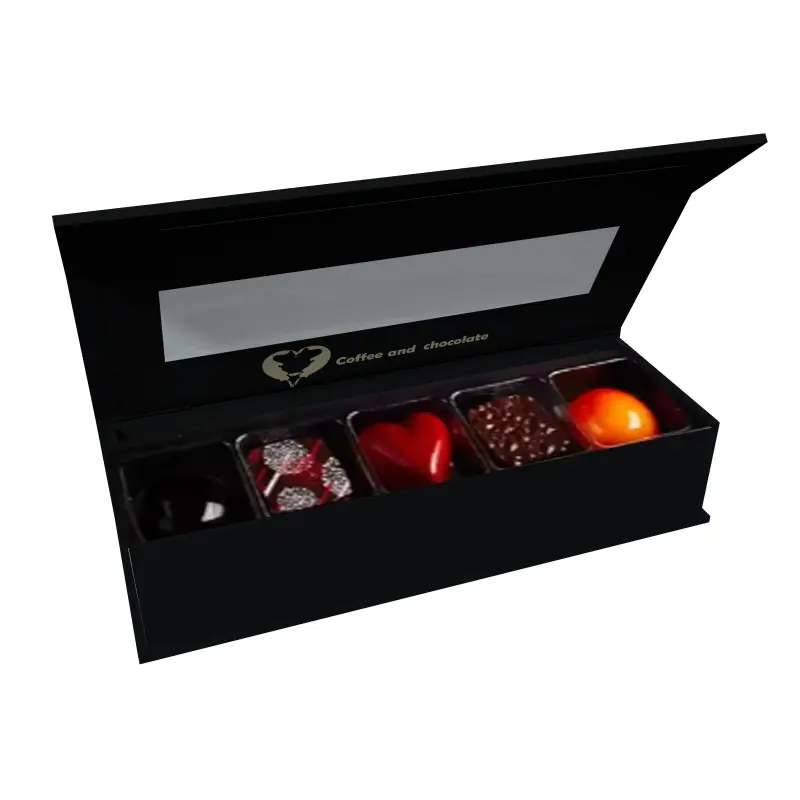
The versatility of cardboard allows for creative design elements like windows, embossing, or special coatings that can elevate the perceived value of your chocolate box. When comparing costs, standard paperboard boxes typically range from $0.50 to $2.00 per unit, depending on size and customization level.
Rigid Luxury Boxes
Rigid boxes represent the high-end segment of chocolate packaging. While they come with a higher initial investment, ranging from $3.00 to $10.00 per unit, they offer superior protection and create an unmistakable sense of luxury. These boxes are often constructed with thick paperboard covered in premium papers, fabrics, or faux leather.
The durability of rigid boxes means they're more likely to be kept and reused by customers, extending your brand presence long after the chocolates are enjoyed. This lasting impression can justify the higher cost for premium chocolate lines or special Valentine's collections.
Innovative Materials and Contemporary Solutions
Sustainable Packaging Options
Modern consumers increasingly value environmental responsibility, making eco-friendly packaging an important consideration. Biodegradable materials and recycled content boxes offer a contemporary solution that appeals to environmentally conscious customers. While these materials might cost 15-30% more than traditional options, they can command higher prices and strengthen brand loyalty.
Materials like bamboo fiber, recycled kraft paper, and plant-based plastics provide excellent alternatives to conventional packaging. These sustainable choices often come with unique textures and natural appearances that can differentiate your product in the market.
Smart Packaging Technologies
Advanced packaging solutions incorporating QR codes, NFC tags, or augmented reality features can transform a simple chocolate box into an interactive experience. While implementation costs are higher, these technologies can justify premium pricing and create memorable customer experiences that drive repeat business.
Smart packaging can include temperature indicators to ensure chocolate quality, authentication features to prevent counterfeiting, or interactive elements that share the story behind your chocolates. These innovations can set your Valentine's offerings apart from competitors.
Cost Analysis and ROI Considerations
Volume-Based Economics
Understanding how order quantities affect unit costs is crucial for making informed packaging decisions. Bulk ordering can significantly reduce per-unit costs, but requires careful inventory management and storage considerations. For Valentine's Day productions, calculating optimal order quantities should account for seasonal demand and storage capabilities.
Consider that ordering 1,000 basic paperboard boxes might cost $1.00 per unit, while ordering 5,000 could reduce the unit cost to $0.60. However, these savings must be weighed against storage costs and the risk of obsolescence if designs change.
Value-Added Features Analysis
When evaluating packaging options, consider how various features contribute to perceived value and justify pricing strategies. Premium finishes like foil stamping, spot UV, or special textures can increase costs by $0.50-$2.00 per unit but may allow for price increases of $5.00 or more per box.
Track customer feedback and sales data to determine which features resonate most with your target market. This information helps optimize future packaging investments and maximize return on investment.
Design Considerations for Maximum Impact
Color Psychology and Brand Alignment
The visual appeal of your chocolate box plays a crucial role in purchase decisions. Traditional Valentine's colors like red and pink remain popular, but consider how your packaging design aligns with your brand identity and target market preferences. Color choices can significantly impact printing costs, with specialty inks and metallic finishes adding to the overall expense.
Consider using color psychology to create emotional connections. Deep reds convey passion and luxury, while soft pinks suggest romance and tenderness. Strategic use of color can help justify premium pricing while maintaining reasonable production costs.
Structural Design Elements
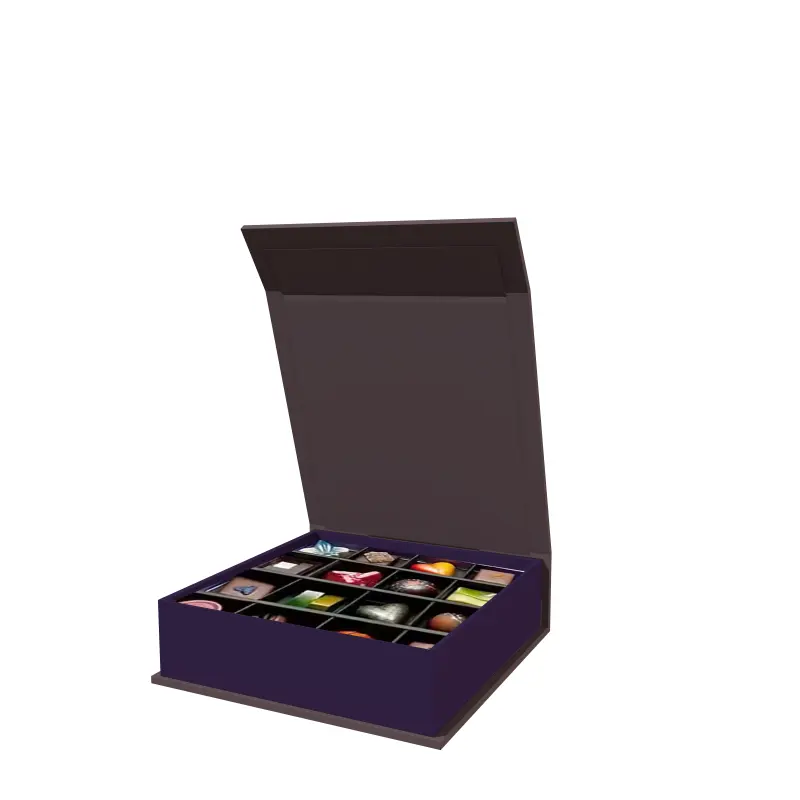
The physical structure of your chocolate box affects both protection and presentation. Features like internal dividers, cushioning elements, and closure mechanisms need to balance functionality with cost-effectiveness. Custom inserts or specialized compartments may increase production costs but can enhance the unboxing experience and product protection.
Consider how structural elements can create memorable moments. A well-designed reveal mechanism or clever opening sequence can transform the simple act of opening the box into a special experience worth paying more for.
Frequently Asked Questions
What is the minimum order quantity for custom chocolate boxes?
Most packaging manufacturers require minimum orders of 500-1,000 units for custom designs. However, some suppliers specialize in small-batch productions starting at 100 units, though unit costs will be higher. Digital printing options have made smaller runs more accessible and economically viable.
How far in advance should I order Valentine's Day packaging?
For custom chocolate boxes, place orders at least 3-4 months before Valentine's Day. This timeline accounts for design approval, production, shipping, and potential delays. Standard stock boxes can be ordered 6-8 weeks in advance, but earlier ordering ensures availability and better pricing.
What packaging features offer the best return on investment?
Features like window panels, magnetic closures, and high-quality printing typically offer the best ROI. These elements enhance perceived value while adding relatively modest costs. Custom inserts that prevent chocolate movement and damage also justify their cost through reduced product waste and increased customer satisfaction.