 EN
EN
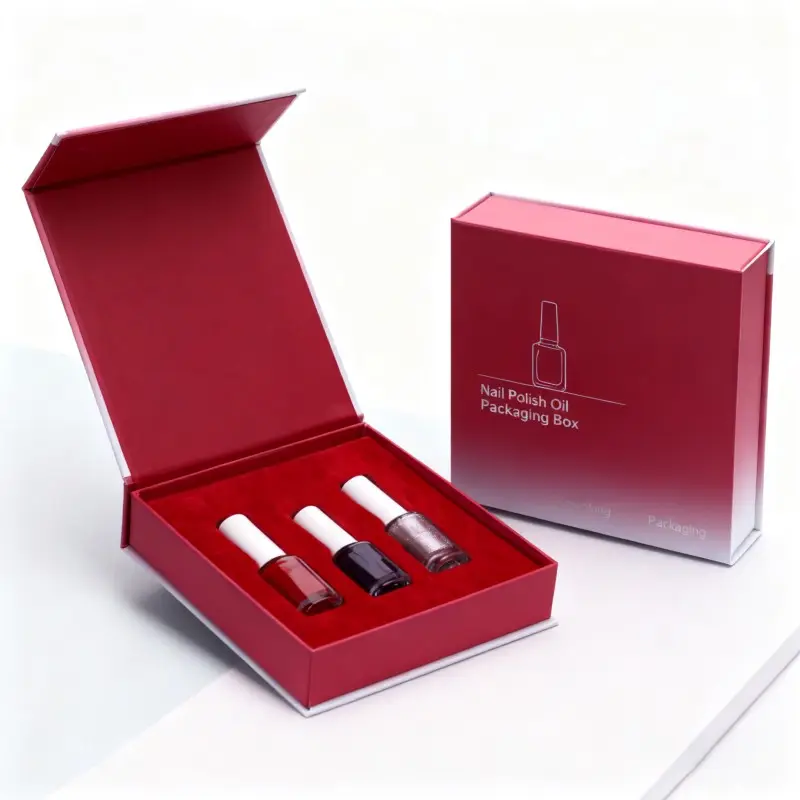
The beauty industry is experiencing a revolutionary shift toward sustainable packaging solutions, with eco-friendly cosmetic box designs leading this transformation. As consumers become increasingly environmentally conscious, brands are recognizing that sustainable packaging is no longer an option but a necessity for market survival. The demand for eco-friendly cosmetic box packaging has surged dramatically, with industry reports indicating a 73% increase in consumer preference for sustainable beauty products over the past three years.
Modern beauty brands are investing heavily in innovative packaging technologies that reduce environmental impact while maintaining product integrity and visual appeal. The evolution of eco-friendly cosmetic box materials encompasses biodegradable plastics, recycled cardboard, bamboo fibers, and innovative plant-based alternatives. These sustainable packaging solutions offer brands the opportunity to differentiate themselves in a crowded marketplace while meeting growing consumer expectations for environmental responsibility.
Material Innovation in Sustainable Cosmetic Packaging
Biodegradable and Compostable Materials
The development of biodegradable materials for eco-friendly cosmetic box manufacturing represents one of the most significant advances in sustainable packaging technology. Manufacturers are now utilizing materials such as cornstarch-based plastics, mushroom mycelium, and seaweed derivatives that completely decompose within 90-180 days under proper composting conditions. These materials maintain the structural integrity required for cosmetic products while offering complete end-of-life biodegradability.
Compostable packaging options for eco-friendly cosmetic box designs include cellulose-based films, plant fiber composites, and bio-based polymers derived from agricultural waste. These materials undergo rigorous testing to ensure they meet international composting standards while providing adequate protection for sensitive beauty products. The adoption of compostable materials has increased by 156% among premium beauty brands seeking to achieve carbon-neutral packaging goals.
Recycled Content Integration
Post-consumer recycled content integration has become a cornerstone of sustainable eco-friendly cosmetic box production, with leading brands incorporating 70-90% recycled materials in their packaging designs. Advanced recycling technologies enable the transformation of previously used packaging materials into high-quality substrates suitable for premium cosmetic applications. This circular approach reduces waste streams while maintaining the aesthetic and functional requirements of luxury beauty packaging.
Ocean plastic recovery programs have emerged as innovative sources for recycled content in eco-friendly cosmetic box manufacturing, with several major brands partnering with environmental organizations to collect and process marine plastic waste. These initiatives not only provide sustainable raw materials but also contribute to ocean cleanup efforts, creating powerful brand narratives that resonate with environmentally conscious consumers. The integration of ocean-recovered plastics has grown 240% in the cosmetic packaging sector over the past two years.
Design Innovations for Environmental Impact Reduction
Minimalist Packaging Approaches
Contemporary eco-friendly cosmetic box design philosophy emphasizes minimalist approaches that reduce material consumption while maximizing visual impact and brand recognition. Streamlined packaging architectures eliminate unnecessary layers, excessive graphics, and redundant protective elements, resulting in up to 40% reduction in material usage compared to traditional cosmetic packaging. This approach aligns with consumer preferences for clean, sophisticated aesthetics while supporting sustainability objectives.
Multi-functional packaging designs represent an innovative approach to eco-friendly cosmetic box development, where primary packaging serves additional purposes beyond product protection and branding. Examples include cosmetic boxes that transform into display stands, storage containers, or decorative items, extending the product lifecycle and reducing waste generation. These creative solutions demonstrate how thoughtful design can enhance sustainability while adding consumer value.
Refillable and Modular Systems
The implementation of refillable packaging systems for eco-friendly cosmetic box solutions represents a paradigm shift toward circular economy principles in the beauty industry. These systems feature durable outer containers designed for multiple uses, paired with minimal refill packaging that reduces waste by up to 85% per product cycle. Premium brands are investing in sophisticated refill mechanisms that maintain product freshness while providing convenient consumer experiences.
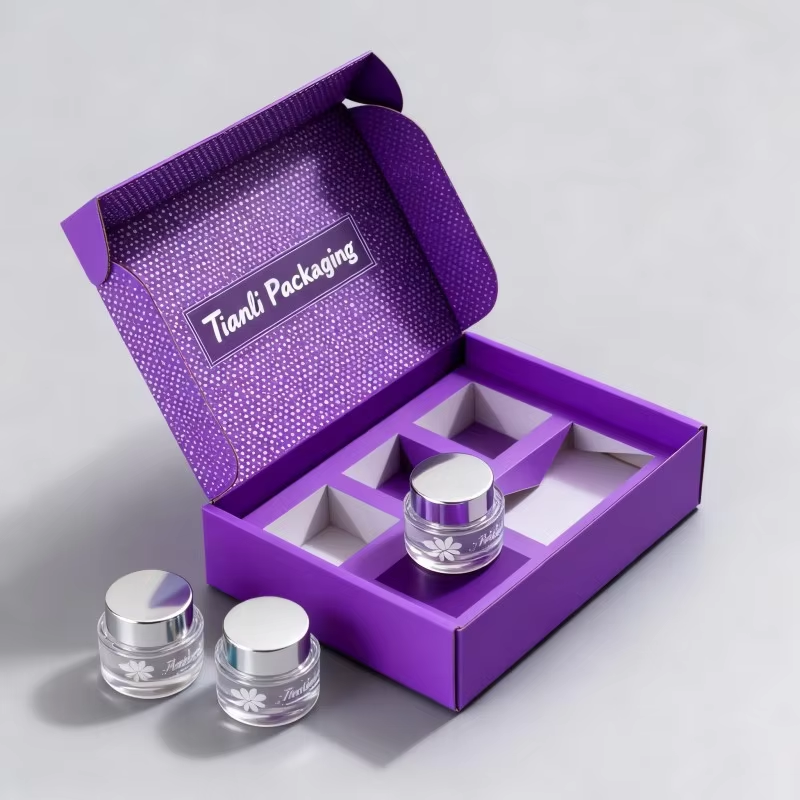
Modular packaging architectures enable brands to create customizable eco-friendly cosmetic box configurations that adapt to different product sizes and consumer preferences. These systems utilize standardized components that can be mixed, matched, and recombined, reducing inventory complexity while supporting sustainable consumption patterns. The modular approach facilitates easy disassembly for recycling and enables efficient material recovery at end-of-life.
Consumer Behavior and Market Demand
Purchasing Decision Influences
Research indicates that 68% of global consumers actively seek eco-friendly cosmetic box packaging when making beauty product purchases, with this preference particularly pronounced among millennials and Generation Z demographics. Environmental packaging attributes now rank as the third most important factor in cosmetic purchasing decisions, following product efficacy and price considerations. Brands that prominently feature sustainable packaging credentials experience 23% higher customer retention rates compared to those using conventional packaging.
The willingness to pay premium prices for eco-friendly cosmetic box packaging varies significantly across market segments, with luxury consumers showing the highest acceptance of sustainability-related price increases. Studies demonstrate that 45% of premium beauty customers accept price premiums of 15-25% for products featuring certified sustainable packaging. This market dynamic creates opportunities for brands to invest in advanced eco-friendly cosmetic box technologies while maintaining profitable operations.
Brand Loyalty and Sustainability
Sustainable packaging initiatives significantly impact brand loyalty metrics, with companies implementing comprehensive eco-friendly cosmetic box strategies reporting 31% improvement in customer lifetime value. Transparency in sustainability practices, including detailed information about packaging materials, production processes, and end-of-life disposal options, builds consumer trust and emotional connection with beauty brands. Social media engagement rates increase by 47% when brands communicate their sustainable packaging innovations effectively.
The emergence of sustainability-focused beauty communities and influencer networks has amplified the importance of eco-friendly cosmetic box packaging in brand positioning and market perception. User-generated content featuring sustainable packaging experiences generates 3.2 times higher engagement rates than traditional product promotions, demonstrating the powerful marketing potential of environmental initiatives. Brands that authentically integrate sustainability into their packaging strategies achieve stronger community building and advocacy outcomes.
Regulatory Framework and Certification Standards
International Packaging Regulations
The regulatory landscape for eco-friendly cosmetic box packaging continues evolving rapidly, with multiple jurisdictions implementing stringent requirements for packaging sustainability and environmental impact disclosure. European Union directives now mandate specific recycled content percentages and recyclability standards for cosmetic packaging, driving industry-wide adoption of sustainable materials and design practices. Compliance with these regulations requires comprehensive material documentation and third-party verification processes.
Extended Producer Responsibility (EPR) programs across various markets create financial incentives for brands to develop eco-friendly cosmetic box solutions that minimize environmental impact throughout the product lifecycle. These programs shift waste management costs to manufacturers, encouraging investment in recyclable materials, reduced packaging volumes, and improved collection systems. The implementation of EPR frameworks has accelerated innovation in sustainable packaging technologies across the beauty industry.
Certification and Verification Systems
Third-party certification programs provide credible verification for eco-friendly cosmetic box claims, enabling consumers to make informed purchasing decisions based on authenticated sustainability credentials. Organizations such as the Forest Stewardship Council (FSC), Cradle to Cradle Products Innovation Institute, and various carbon neutral certification bodies offer comprehensive assessment frameworks for packaging materials and manufacturing processes. Certified eco-friendly cosmetic box products command premium market positions and enhanced consumer trust.
Blockchain technology integration in certification systems enables transparent supply chain tracking for eco-friendly cosmetic box materials, providing immutable records of sustainability attributes from raw material sourcing through end-of-life disposal. This technological approach addresses consumer demands for packaging transparency while supporting regulatory compliance requirements. Blockchain-verified sustainability claims show 89% higher consumer confidence ratings compared to traditional certification approaches.
Manufacturing and Production Innovations
Advanced Production Technologies
Digital printing technologies have revolutionized eco-friendly cosmetic box production by eliminating the need for traditional printing plates and reducing setup waste by up to 70%. These advanced printing systems enable on-demand production, shorter run lengths, and rapid design customization while maintaining high-quality output suitable for premium beauty applications. Water-based inks and UV-curable formulations provide vibrant colors without harmful solvents or volatile organic compounds.
Automation and artificial intelligence integration in eco-friendly cosmetic box manufacturing optimize material utilization, reduce energy consumption, and minimize production waste. Smart manufacturing systems analyze production patterns to identify efficiency improvements and automatically adjust parameters for optimal resource utilization. These technologies enable cost-effective production of sustainable packaging while maintaining consistent quality standards and reducing environmental impact.
Supply Chain Sustainability
Localized production networks for eco-friendly cosmetic box manufacturing reduce transportation emissions while supporting regional economies and enabling faster response to market demands. Brands are establishing partnerships with regional suppliers who specialize in sustainable materials and production processes, creating resilient supply chains that align with environmental objectives. Local sourcing strategies reduce carbon footprints by 35-50% compared to traditional global supply chain approaches.
Circular supply chain models integrate waste recovery and material regeneration processes directly into eco-friendly cosmetic box production workflows. These systems capture production waste, post-consumer returns, and end-of-life packaging for reprocessing into new packaging materials. Closed-loop manufacturing approaches achieve material efficiency rates exceeding 95% while significantly reducing virgin resource consumption and waste generation.
Future Outlook and Emerging Trends
Technological Advancement Predictions
Emerging biotechnology applications promise revolutionary advances in eco-friendly cosmetic box materials, with laboratory-grown packaging substrates offering unprecedented sustainability performance. Synthetic biology techniques enable the production of custom materials with specific properties tailored for cosmetic applications, including moisture barriers, antimicrobial properties, and controlled biodegradation rates. These biotechnology-derived materials could replace traditional packaging materials within the next decade.
Nanotechnology integration in eco-friendly cosmetic box design enables enhanced functionality while maintaining environmental compatibility. Nano-cellulose reinforcement provides superior strength-to-weight ratios, enabling thinner packaging materials that maintain protective properties. Smart packaging technologies incorporating biodegradable sensors could provide real-time product information while decomposing harmlessly at end-of-life.
Market Evolution Projections
Industry analysts project that eco-friendly cosmetic box packaging will represent 78% of the total cosmetic packaging market by 2030, driven by regulatory requirements, consumer preferences, and corporate sustainability commitments. Investment in sustainable packaging technologies is expected to reach $12.8 billion annually within the beauty sector, supporting continued innovation and market expansion. Premium and luxury segments will lead adoption rates, followed by mass-market brands seeking competitive differentiation.
The convergence of sustainability and digitalization will create new opportunities for eco-friendly cosmetic box innovation, including QR code integration for recycling instructions, augmented reality features for virtual try-on experiences, and blockchain verification for authenticity and sustainability claims. These digital enhancements add consumer value while supporting sustainable consumption behaviors and brand engagement strategies.
FAQ
What materials are considered most sustainable for eco-friendly cosmetic box packaging
The most sustainable materials for eco-friendly cosmetic box packaging include post-consumer recycled cardboard, FSC-certified paper, biodegradable plant-based plastics, and innovative materials like mushroom mycelium or seaweed derivatives. These materials offer excellent protection for cosmetic products while minimizing environmental impact through renewable sourcing, recyclability, or complete biodegradability. The choice of material depends on specific product requirements, brand positioning, and local waste management infrastructure.
How do eco-friendly cosmetic boxes compare in cost to traditional packaging
Eco-friendly cosmetic box packaging typically costs 10-30% more than conventional alternatives, though this premium continues decreasing as sustainable technologies scale and regulatory pressures increase traditional packaging costs. The investment in sustainable packaging often generates positive returns through enhanced brand perception, customer loyalty, and access to environmentally conscious market segments. Many brands find that the long-term benefits of eco-friendly cosmetic box packaging, including regulatory compliance and risk mitigation, justify the initial cost increase.
What certifications should brands look for in sustainable packaging suppliers
Key certifications for sustainable packaging suppliers include FSC (Forest Stewardship Council) for responsibly sourced paper products, Cradle to Cradle for circular design principles, ASTM D6400 or EN 13432 for compostability verification, and ISO 14001 for environmental management systems. Additionally, suppliers should provide transparent documentation of recycled content percentages, carbon footprint calculations, and end-of-life disposal recommendations. Third-party verification through recognized certification bodies ensures credible sustainability claims and regulatory compliance.
How can brands effectively communicate their eco-friendly packaging initiatives to consumers
Effective communication of eco-friendly cosmetic box initiatives requires clear, honest messaging that avoids greenwashing while highlighting specific environmental benefits and certifications. Brands should provide detailed information about materials used, recycling instructions, and quantifiable environmental impact reductions. Visual elements like certification logos, sustainability icons, and QR codes linking to comprehensive sustainability information help consumers understand and appreciate environmental efforts. Storytelling approaches that connect packaging choices to broader environmental missions create emotional engagement and brand loyalty.
Table of Contents
- Material Innovation in Sustainable Cosmetic Packaging
- Design Innovations for Environmental Impact Reduction
- Consumer Behavior and Market Demand
- Regulatory Framework and Certification Standards
- Manufacturing and Production Innovations
- Future Outlook and Emerging Trends
-
FAQ
- What materials are considered most sustainable for eco-friendly cosmetic box packaging
- How do eco-friendly cosmetic boxes compare in cost to traditional packaging
- What certifications should brands look for in sustainable packaging suppliers
- How can brands effectively communicate their eco-friendly packaging initiatives to consumers