 EN
EN

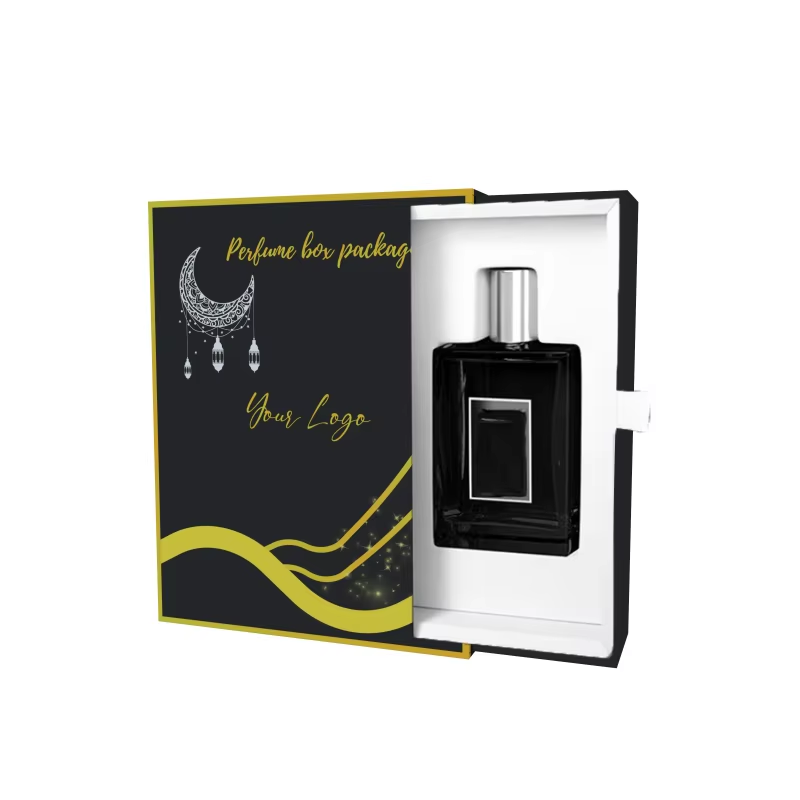
The luxury fragrance industry has witnessed remarkable transformation in recent years, with packaging innovation becoming a critical differentiator in an increasingly competitive marketplace. Modern consumers demand more than just exceptional scent quality; they expect sophisticated, sustainable, and memorable unboxing experiences that reflect their personal values and aesthetic preferences. The perfume box has evolved from a simple protective container into a powerful marketing tool that communicates brand identity, enhances perceived value, and drives purchasing decisions across diverse demographic segments.
Sustainable Materials Revolution in Fragrance Packaging
Eco-Friendly Substrate Innovation
Contemporary perfume box manufacturers are embracing sustainable materials as environmental consciousness becomes paramount among luxury consumers. Recycled cardboard, biodegradable plastics, and innovative plant-based composites are replacing traditional petroleum-derived packaging components. These materials maintain the premium aesthetic expectations while significantly reducing environmental impact throughout the product lifecycle. Leading brands recognize that sustainable perfume box design appeals to environmentally aware millennials and Generation Z consumers who prioritize ethical consumption patterns.
Forest Stewardship Council certified papers and responsibly sourced wood fibers are becoming standard specifications for high-end fragrance packaging. Manufacturers are developing new coating technologies that provide moisture resistance and durability without compromising recyclability. Water-based inks and adhesives further enhance the environmental profile of modern perfume box construction, creating packaging solutions that align with corporate sustainability commitments and consumer expectations.
Circular Economy Integration
Progressive perfume box designs now incorporate circular economy principles, featuring refillable components and modular construction that extends product lifespan. Magnetic closure systems and precision-engineered drawer mechanisms enable repeated use while maintaining structural integrity and premium appearance. These innovative approaches transform the perfume box from disposable packaging into collectible accessories that consumers treasure and display long after the fragrance is consumed.
Brands are implementing take-back programs where customers return empty perfume box containers for refurbishment and reuse. Advanced cleaning and restoration processes allow manufacturers to maintain quality standards while reducing material waste. This approach creates customer loyalty through environmental stewardship while generating cost savings through material recovery and reprocessing operations.
Digital Integration and Smart Packaging Technologies
NFC and QR Code Enhancement
Modern perfume box design increasingly incorporates digital connectivity features that bridge physical and digital brand experiences. Near Field Communication chips and strategically placed QR codes transform static packaging into interactive platforms for storytelling, authentication, and customer engagement. Consumers can access exclusive content, fragrance education materials, and personalized recommendations by simply tapping their smartphones against specially equipped perfume box surfaces.
These technologies enable brands to gather valuable consumer behavior data while providing enhanced product information and anti-counterfeiting protection. Smart perfume box implementations include temperature indicators, freshness sensors, and usage tracking capabilities that help consumers optimize their fragrance experience. Integration with mobile applications creates seamless omnichannel experiences that extend brand interaction beyond the initial purchase moment.
Augmented Reality Applications
Cutting-edge perfume box designs leverage augmented reality technology to create immersive brand experiences that captivate tech-savvy consumers. Specialized mobile applications recognize unique visual markers printed on packaging surfaces, triggering virtual content overlays that showcase fragrance ingredients, brand heritage stories, and styling recommendations. This technology transforms the traditional perfume box into an interactive gateway for digital brand exploration and education.
Virtual try-on experiences and scent visualization technologies help consumers understand complex fragrance compositions through engaging multimedia presentations. These applications provide value-added services that justify premium pricing while creating memorable brand interactions that encourage social media sharing and word-of-mouth marketing. Advanced implementations include gamification elements and loyalty program integration that reward customer engagement and repeat purchases.
Minimalist Design Philosophy and Aesthetic Trends
Clean Lines and Geometric Precision
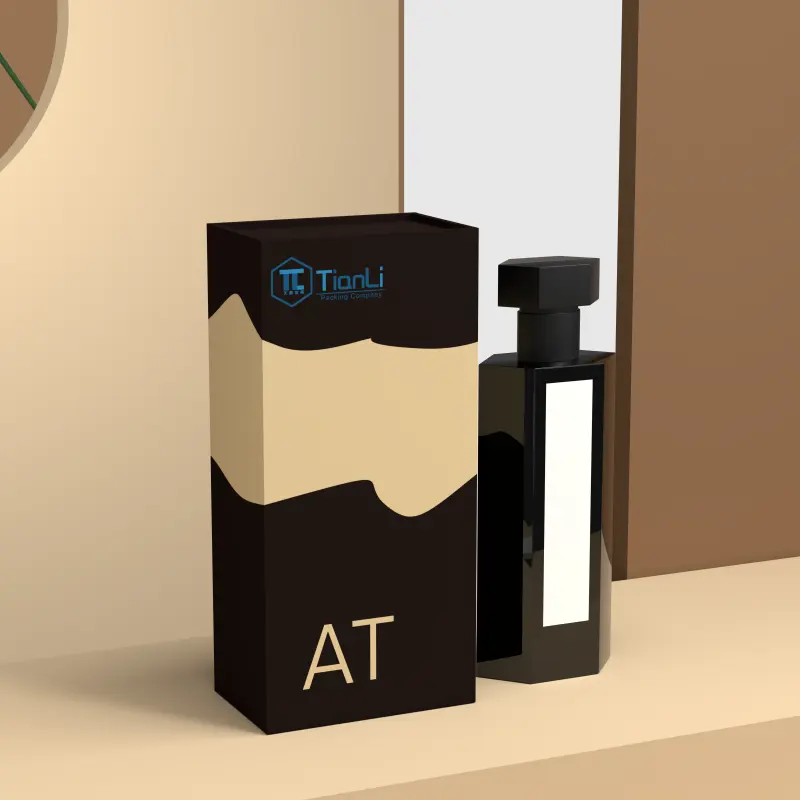
Contemporary perfume box aesthetics embrace minimalist design principles that emphasize clean lines, geometric precision, and sophisticated color palettes. This approach reflects broader cultural shifts toward simplicity and authenticity in luxury goods consumption. Streamlined perfume box designs utilize negative space effectively, creating visual impact through restraint rather than ornate decoration. Premium materials and precise manufacturing techniques ensure that simplified designs maintain luxury positioning and perceived value.
Monochromatic color schemes and subtle texture variations create sophisticated visual hierarchies that enhance brand recognition without overwhelming consumers. Typography selection focuses on legible, contemporary fonts that convey brand personality while maintaining universal appeal across diverse market segments. These design choices reflect consumer preferences for timeless elegance that transcends seasonal trends and maintains relevance throughout extended product lifecycles.
Texture and Tactile Innovation
Advanced surface treatment technologies enable perfume box manufacturers to create distinctive tactile experiences that engage multiple senses simultaneously. Soft-touch coatings, embossed patterns, and innovative texture applications transform ordinary cardboard into premium sensory interfaces. These treatments enhance perceived value while creating memorable brand touchpoints that differentiate products in crowded retail environments.
Velvet flocking, silk screening, and specialty lamination techniques add luxurious tactile dimensions to perfume box surfaces. These applications require sophisticated manufacturing capabilities and quality control processes that ensure consistent results across large production runs. Premium texture treatments justify higher price points while creating collectible packaging that consumers retain as decorative objects long after product consumption.
Customization and Personalization Capabilities
On-Demand Manufacturing Solutions
Digital printing technologies and flexible manufacturing systems enable cost-effective perfume box customization for diverse market segments and seasonal campaigns. Variable data printing allows brands to create personalized packaging with individual names, special messages, or unique design elements without significant setup costs or minimum order quantities. These capabilities support limited edition releases, regional market adaptations, and special occasion marketing initiatives.
Advanced color management systems ensure consistent brand color reproduction across different perfume box materials and printing technologies. Automated quality control processes maintain high standards while accommodating rapid design changes and short production timelines. These manufacturing innovations enable agile marketing strategies that respond quickly to consumer trends and competitive pressures.
Modular Component Systems
Innovative perfume box designs feature interchangeable components that allow consumers to personalize their packaging experience through mix-and-match customization options. Magnetic attachment systems and precision-engineered interfaces enable seamless component swapping while maintaining structural integrity and premium appearance. These modular approaches create engaging user experiences while reducing manufacturing complexity through standardized base components.
Seasonal sleeve designs, removable decorative panels, and adjustable internal configurations provide customization opportunities that extend product lifecycle and enhance perceived value. These systems enable brands to offer premium customization services while maintaining efficient manufacturing operations. Modular perfume box designs appeal to consumers who value personalization and unique aesthetic expression in their luxury goods purchases.
Premium Materials and Finishing Techniques
Luxury Substrate Selection
High-end perfume box manufacturing increasingly utilizes exotic materials and sophisticated finishing techniques that create distinctive sensory experiences. Specialty papers infused with natural fibers, metallic leaf applications, and precision-cut decorative elements elevate packaging beyond functional requirements into artistic statements. These premium materials justify luxury positioning while creating Instagram-worthy unboxing experiences that generate organic social media marketing.
Cotton fiber papers, bamboo composites, and recycled luxury materials provide sustainable alternatives to traditional high-end substrates without compromising aesthetic appeal. Advanced bonding technologies ensure durability while maintaining environmental credentials. These material innovations enable brands to meet sustainability commitments while preserving the premium feel that luxury consumers expect from their perfume box purchases.
Artisanal Manufacturing Techniques
Hand-finished perfume box production techniques are experiencing renewed popularity as brands seek to differentiate their products through artisanal quality and attention to detail. Skilled craftspeople apply specialized techniques including hand-folding, precision assembly, and quality inspection processes that ensure exceptional build quality. These manufacturing approaches create unique variations that enhance collectibility while demonstrating brand commitment to excellence.
Limited edition perfume box productions often incorporate traditional bookbinding techniques, custom hardware fabrication, and specialized surface treatments that require significant manual intervention. These processes create premium products that justify higher price points while generating excitement among collectors and brand enthusiasts. Artisanal manufacturing capabilities enable brands to offer ultra-premium product tiers that maximize profitability while reinforcing luxury positioning.
FAQ
What makes sustainable perfume box packaging environmentally friendly?
Sustainable perfume box packaging utilizes recycled materials, biodegradable substrates, and water-based inks that minimize environmental impact throughout the product lifecycle. Forest Stewardship Council certified papers, plant-based composites, and circular economy principles ensure responsible resource utilization while maintaining luxury aesthetics and durability standards.
How do smart packaging technologies enhance the perfume box experience?
Smart perfume box technologies integrate NFC chips, QR codes, and augmented reality features that create interactive digital experiences for consumers. These technologies provide authentication, educational content, and personalized recommendations while enabling brands to gather valuable customer data and create memorable omnichannel experiences that extend beyond the initial purchase.
What customization options are available for modern perfume box designs?
Modern perfume box customization includes variable data printing for personalized messages, modular component systems for mix-and-match aesthetics, and on-demand manufacturing for limited editions. These capabilities enable brands to create unique packaging experiences while maintaining efficient production processes and responding quickly to market trends and consumer preferences.
How do premium materials justify higher perfume box costs?
Premium perfume box materials including specialty papers, artisanal finishing techniques, and exotic substrates create distinctive sensory experiences that enhance perceived value and brand positioning. These materials support luxury pricing strategies while creating collectible packaging that consumers treasure, generating social media engagement and long-term brand loyalty through exceptional quality and aesthetic appeal.