 EN
EN

Understanding Modern Packaging Solutions for Apparel and Fashion Items
The world of clothing packaging has evolved significantly, offering diverse solutions that cater to different needs, budgets, and transportation requirements. From luxurious gift presentations to practical shipping containers, clothing boxes serve multiple purposes in today's retail and e-commerce landscape. Understanding the various options available helps businesses make informed decisions that balance cost-effectiveness with functionality and aesthetic appeal.
Common Types of Clothing Boxes in the Market
Traditional Top-and-Bottom Gift Boxes
Top-and-bottom clothing boxes represent the classic approach to premium packaging. These boxes consist of two separate pieces - a base and a lid - that fit together seamlessly. The construction provides excellent stability and creates an upscale unboxing experience. Typically made from rigid cardboard or paperboard, these boxes offer superior protection and can be enhanced with various finishes like soft-touch lamination or foil stamping.
These boxes are particularly popular in high-end retail environments and for special occasions like wedding dress packaging or luxury brand presentations. While they tend to be more expensive than other options, their reusability and perceived value often justify the investment for premium products.
Airplane-Style Folding Boxes
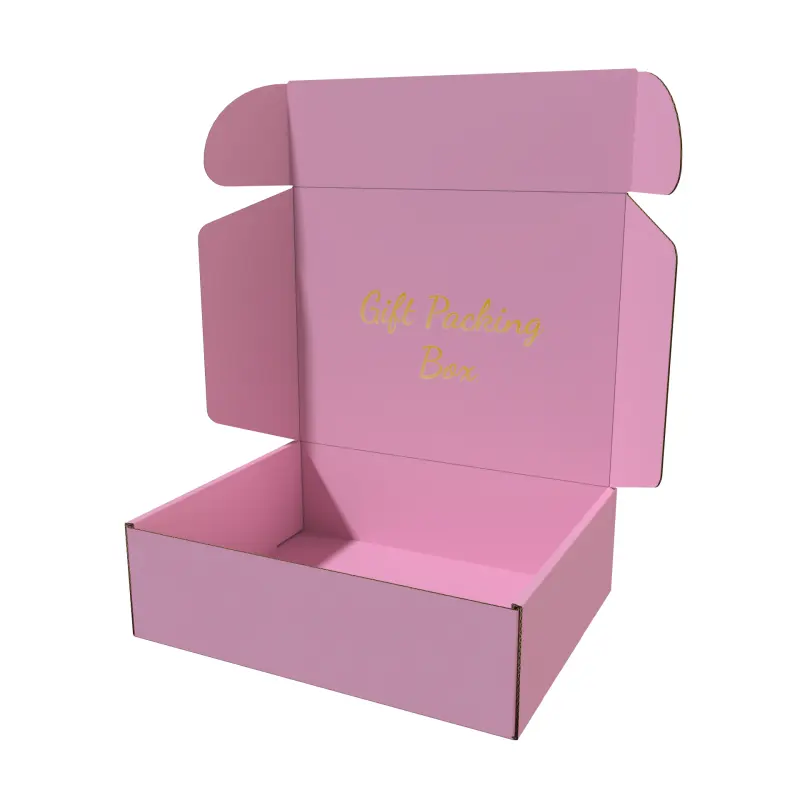
Airplane-style clothing boxes have gained popularity due to their efficient design and cost-effectiveness. These boxes feature side panels that fold inward, similar to airplane wings, creating a secure closure system. The unique construction allows for flat shipping and easy assembly, reducing storage space requirements and transportation costs.
These boxes are particularly well-suited for casual wear, t-shirts, and standard-sized garments. Their collapsible nature makes them a favorite among e-commerce businesses looking to optimize shipping and storage expenses while maintaining professional presentation standards.
Material Considerations and Cost Analysis
Cardboard and Paperboard Options
The choice of material significantly impacts both cost and functionality of clothing boxes. Corrugated cardboard offers excellent durability and protection during shipping but comes at a higher price point. Single-wall cardboard provides a good balance between strength and cost, while paperboard suits light items and display purposes.
Material thickness also affects pricing, with heavier stocks commanding premium prices. However, investing in quality materials can reduce damage rates and enhance brand perception, potentially offering better long-term value despite higher initial costs.
Economic Considerations and Bulk Pricing
When evaluating clothing boxes for cost-effectiveness, several factors come into play. Airplane-style boxes typically offer the most economical solution, especially when ordered in bulk quantities. Their flat-pack design reduces shipping costs and storage requirements, leading to overall savings.
Top-and-bottom boxes, while more expensive, often provide better protection and presentation value. The decision between styles should consider not just the unit price but also factors like product value, target market expectations, and intended use.
Transportation and Logistics Considerations
Shipping Efficiency and Protection
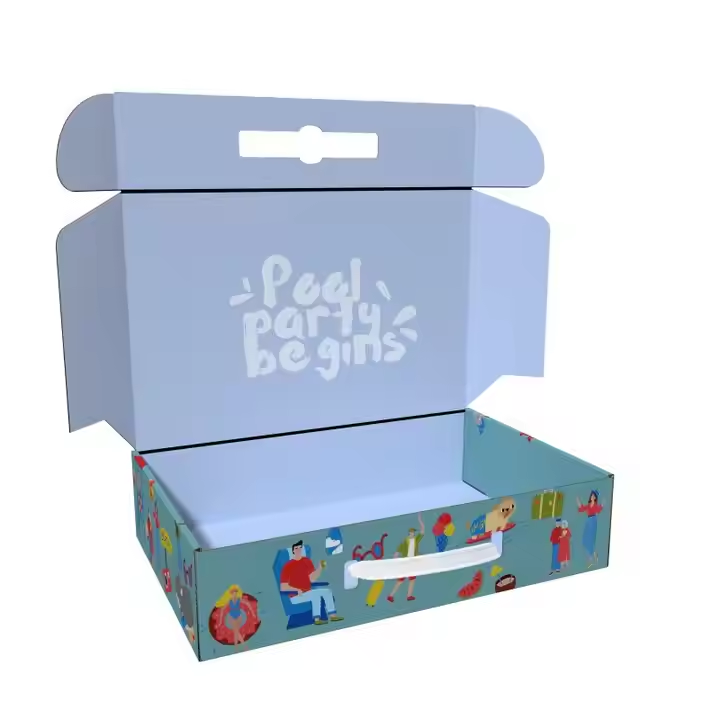
Different box styles offer varying levels of protection during transit. Corrugated airplane boxes excel in shipping scenarios, providing good crush resistance while maintaining relatively light weight. Their uniform shape also allows for efficient stacking and container utilization.
Top-and-bottom boxes, while sturdy, may require additional packaging materials for shipping. Their rigid construction can increase shipping costs due to fixed dimensions, but they offer superior protection for delicate or high-value garments.
Storage and Handling Requirements
Storage considerations play a crucial role in box selection. Airplane-style boxes offer significant advantages in warehouse settings, as they can be stored flat and assembled as needed. This flexibility reduces storage space requirements and associated costs.
Traditional gift boxes require more storage space due to their rigid construction. However, their stackability can be advantageous for retail storage and display purposes, particularly in boutique settings.
Environmental Impact and Sustainability
Eco-Friendly Materials and Design
Modern clothing boxes increasingly incorporate sustainable materials and design principles. Recycled cardboard and biodegradable coatings offer environmentally conscious alternatives without compromising quality. Many manufacturers now produce boxes with reduced material usage while maintaining structural integrity.
The reusability factor of top-and-bottom boxes contributes to their environmental appeal, as customers often repurpose them for storage or gift-giving. Airplane-style boxes, while typically single-use, can be designed for easy recycling.
Future Trends in Sustainable Packaging
The industry is moving towards more sustainable solutions, with innovations in biodegradable materials and minimal packaging designs. Smart sizing technologies help reduce waste by matching box dimensions to specific product requirements. These developments are reshaping the future of clothing packaging.
Frequently Asked Questions
What is the most cost-effective option for shipping large quantities of clothing?
Airplane-style boxes typically offer the best cost-efficiency for large-scale shipping operations due to their flat-pack design, reduced storage requirements, and lower material costs. When ordered in bulk, they provide significant savings in both material and shipping expenses.
How do different box materials affect garment protection during shipping?
Corrugated cardboard offers the highest level of protection, followed by rigid paperboard and standard cardboard. The choice depends on the garment value and shipping conditions. Premium clothing items often benefit from stronger materials despite higher costs.
Are sustainable clothing boxes more expensive than traditional options?
While eco-friendly materials may have slightly higher initial costs, the price difference has decreased significantly due to improved manufacturing processes and increased demand. Many sustainable options now offer competitive pricing while providing additional brand value and meeting consumer environmental expectations.