 EN
EN

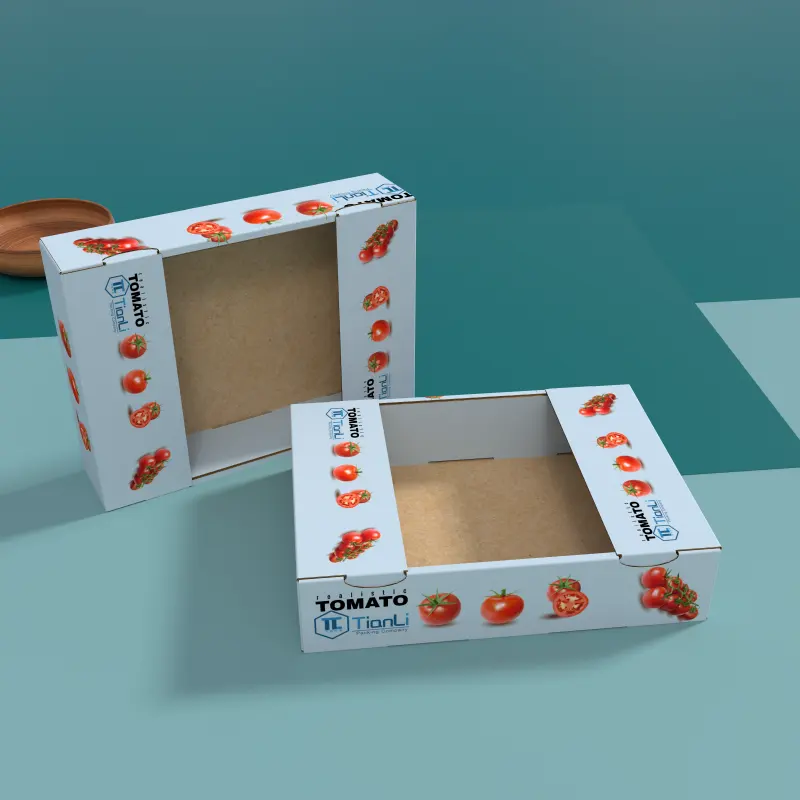
The food service industry relies heavily on effective packaging solutions to maintain product quality, ensure food safety, and enhance customer experience. Modern food packaging boxes have evolved beyond simple containers to become strategic business assets that protect contents, communicate brand values, and meet diverse operational requirements. Understanding the various types available and their specific applications enables businesses to make informed decisions that optimize both functionality and cost-effectiveness.
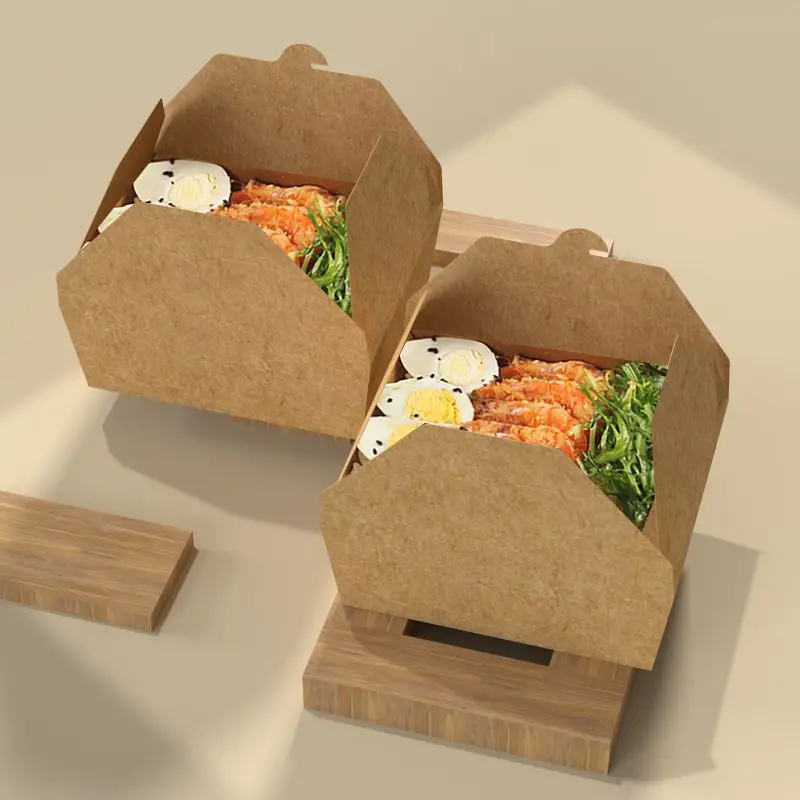
Selecting appropriate packaging involves careful consideration of multiple factors including food type, temperature requirements, transportation conditions, and environmental impact. The wrong choice can result in compromised food quality, increased waste, customer dissatisfaction, and potential regulatory compliance issues. Professional food service operators recognize that packaging decisions directly influence operational efficiency and bottom-line profitability.
Primary Categories of Food Packaging Solutions
Paper-Based Packaging Options
Paper packaging represents one of the most versatile and environmentally conscious categories in the food service industry. These solutions range from basic kraft paper boxes to sophisticated multi-layer constructions with specialized coatings. Standard kraft paper boxes excel in dry food applications, offering excellent structural integrity while maintaining breathability that prevents moisture accumulation.
Corrugated cardboard variants provide enhanced protection for heavier items and longer transportation periods. The fluted structure creates superior cushioning and insulation properties, making them ideal for pizza boxes, bakery items, and bulk food deliveries. Modern paper-based food packaging boxes often incorporate grease-resistant barriers and moisture-proof coatings that extend their applicability to previously unsuitable food categories.
Specialty paper options include food-grade parchment-lined boxes for baked goods, wax-coated containers for frozen items, and recycled content solutions for environmentally conscious establishments. The printing capabilities of paper packaging also make it an excellent choice for businesses prioritizing brand visibility and customer engagement through custom graphics and messaging.
Plastic and Polymer Solutions
Plastic food containers offer unmatched versatility in terms of temperature resistance, moisture protection, and durability. Polystyrene foam containers provide excellent insulation properties, making them suitable for both hot and cold food applications. These lightweight solutions reduce shipping costs while maintaining temperature integrity during extended delivery periods.
Clear plastic containers, typically manufactured from PET or polypropylene, offer exceptional product visibility that enhances presentation and customer appeal. These materials resist cracking and provide superior moisture barriers, making them ideal for salads, fresh fruit, and prepared meals requiring extended shelf life. Many modern plastic formulations include antimicrobial additives that provide additional food safety benefits.
Biodegradable plastic alternatives, including PLA and other plant-based polymers, address environmental concerns while maintaining performance characteristics similar to traditional plastics. These materials decompose under proper composting conditions, offering a compromise between functionality and ecological responsibility for forward-thinking food service operations.
Material Properties and Performance Characteristics
Temperature Tolerance and Thermal Management
Understanding temperature requirements is crucial when selecting appropriate food packaging boxes for specific applications. Different materials exhibit varying performance characteristics across temperature ranges, affecting both structural integrity and food safety outcomes. Paper-based solutions typically perform well at moderate temperatures but may lose strength when exposed to excessive moisture or heat.
Foam containers excel in thermal insulation, maintaining food temperatures for extended periods while protecting handlers from burns. However, they may deform under extreme heat, limiting their suitability for certain hot food applications. Rigid plastic containers offer consistent performance across wider temperature ranges but may require additional insulation for optimal thermal management.
Aluminum and composite materials provide superior heat resistance and can withstand oven temperatures, making them suitable for food items requiring reheating. These materials also offer excellent barrier properties against moisture and oxygen, extending product shelf life and maintaining quality during storage and transportation.
Barrier Properties and Food Protection
Effective barrier properties determine a container's ability to protect food from external contaminants while preventing internal moisture and flavor loss. Oxygen barriers are particularly important for products containing oils or other oxidation-sensitive ingredients. Advanced multilayer constructions combine different materials to achieve optimal barrier performance for specific food categories.
Moisture management capabilities vary significantly between materials, affecting both food quality and package integrity. Paper-based options require specialized coatings for high-moisture applications, while plastic materials naturally provide superior moisture resistance. The choice between breathable and sealed packaging depends on specific food characteristics and desired shelf life requirements.
Grease and oil resistance represents another critical consideration, particularly for fried foods and items containing significant fat content. Standard paper materials may require specialized treatments or barrier coatings to prevent oil penetration that can compromise structural integrity and create unsightly packaging appearance.
Application-Specific Packaging Selection
Hot Food Applications
Hot food packaging requires careful consideration of thermal properties, structural stability, and user safety. Steam and condensation management becomes particularly important to prevent sogginess and maintain food texture. Vented containers or those incorporating moisture-absorbing materials help maintain optimal food quality during transportation and storage.
Insulation properties affect both food temperature retention and handling safety. Double-wall constructions and air gap designs provide superior thermal protection while maintaining reasonable cost structures. These food packaging boxes must also resist deformation under heat while providing secure closure mechanisms that prevent spills during delivery.
Material selection for hot food applications often involves trade-offs between performance and cost. While premium materials may offer superior thermal properties, cost-effective solutions can provide adequate performance for shorter delivery times or budget-conscious operations. Understanding these trade-offs enables informed decision-making that balances functionality with economic viability.
Cold and Frozen Food Requirements
Cold food packaging presents unique challenges related to condensation management, structural integrity at low temperatures, and thermal insulation. Materials must maintain flexibility and strength across temperature variations while preventing moisture accumulation that could compromise food quality or create unsanitary conditions.
Frozen food applications require specialized materials that resist cracking and maintain structural integrity at sub-zero temperatures. Moisture barriers become particularly critical to prevent ice crystal formation and freezer burn, which can significantly impact food quality and customer satisfaction. Proper packaging design also facilitates efficient stacking and storage in freezer environments.
Thaw-resistant properties ensure packaging maintains integrity during temperature transitions, preventing leaks or structural failures as products move from frozen storage to serving temperature. This characteristic is particularly important for retail applications where temperature fluctuations are common during transportation and display.
Environmental Considerations and Sustainability
Recyclability and Waste Management
Environmental impact has become a primary consideration in packaging selection, with businesses increasingly prioritizing recyclable and biodegradable options. Paper-based materials generally offer superior recyclability, particularly when free from plastic coatings or laminations. However, food contamination can complicate recycling processes, requiring consideration of local waste management capabilities.
Plastic materials present mixed recyclability profiles, with some types readily accepted in standard recycling programs while others require specialized processing facilities. Clear labeling with appropriate recycling symbols helps consumers make informed disposal decisions while supporting municipal waste management efforts.
Compostable options, including certified biodegradable plastics and untreated paper products, offer end-of-life advantages in communities with composting infrastructure. These materials break down naturally under proper conditions, reducing landfill burden while potentially contributing valuable nutrients to soil systems.
Carbon Footprint and Manufacturing Impact
Manufacturing processes for different packaging materials vary significantly in their environmental impact, affecting carbon footprint calculations and sustainability assessments. Paper production typically involves renewable raw materials but may require significant energy and water inputs, particularly for bleaching and coating processes.
Plastic manufacturing relies on petroleum-based feedstocks, contributing to fossil fuel consumption and associated carbon emissions. However, the lightweight nature of plastic packaging can reduce transportation-related emissions, creating complex environmental trade-offs that require careful analysis for specific applications.
Local sourcing considerations can significantly impact overall environmental footprint, with transportation distances often representing substantial portions of total lifecycle emissions. Businesses increasingly prioritize suppliers offering regional manufacturing capabilities to minimize shipping-related environmental impact while supporting local economies.
Cost Analysis and Economic Factors
Initial Purchase Costs and Volume Considerations
Packaging costs represent significant operational expenses for food service businesses, requiring careful analysis of both initial purchase prices and long-term value propositions. Volume purchasing agreements often provide substantial cost advantages, but require adequate storage facilities and accurate demand forecasting to prevent waste or obsolescence.
Premium materials command higher initial costs but may provide superior performance characteristics that justify increased investment through reduced waste, improved customer satisfaction, or enhanced brand positioning. Cost-per-use calculations should include factors such as damage rates, customer returns, and potential liability issues related to packaging failures.
Seasonal demand fluctuations affect pricing structures, with peak periods often commanding premium rates while off-season purchasing may offer significant savings. Strategic procurement planning can optimize costs while ensuring adequate inventory levels during high-demand periods.
Hidden Costs and Total Cost of Ownership
Storage requirements vary significantly between packaging types, affecting warehouse costs and operational efficiency. Stackable designs maximize storage density while nested configurations reduce shipping volumes. These factors influence total cost structures beyond initial purchase prices.
Labor costs associated with package assembly, filling, and sealing vary between designs. Pre-formed containers may command higher prices but reduce labor requirements, while flat-packed options minimize shipping costs but increase assembly time. Automated packaging systems may favor specific designs, influencing long-term operational efficiency.
Disposal costs represent growing concerns as waste management fees increase and environmental regulations tighten. Materials requiring specialized disposal or recycling processes may incur additional costs that offset initial savings, making total lifecycle cost analysis essential for informed decision-making.
Quality Standards and Regulatory Compliance
Food Safety Regulations and Certification
Food packaging must comply with stringent safety regulations governing materials in contact with consumable products. FDA regulations in the United States specify approved materials, migration limits for chemical substances, and testing requirements for food contact surfaces. Similar regulatory frameworks exist globally, requiring careful attention to compliance requirements in each market.
Third-party certifications provide additional assurance of safety and quality, with organizations such as the Food and Drug Administration, European Food Safety Authority, and various national agencies establishing standards for food packaging materials. These certifications often require regular testing and documentation to maintain compliance status.
Traceability requirements enable rapid response to potential contamination incidents, requiring detailed records of material sources, manufacturing processes, and distribution chains. Packaging suppliers should provide comprehensive documentation supporting regulatory compliance and enabling effective supply chain management.
Industry Standards and Best Practices
Industry associations establish guidelines and best practices for food packaging applications, providing frameworks for quality assurance and operational excellence. These standards often address performance characteristics, testing methods, and application-specific requirements that supplement regulatory mandates.
Quality management systems, including ISO certifications and HACCP protocols, provide structured approaches to ensuring consistent packaging performance and food safety outcomes. Suppliers demonstrating adherence to these standards offer reduced risk and improved reliability for food service operations.
Continuous improvement processes enable ongoing optimization of packaging performance and cost-effectiveness. Regular evaluation of new materials, technologies, and designs ensures businesses remain competitive while meeting evolving customer expectations and regulatory requirements.
FAQ
What factors determine the most suitable food packaging box for my specific product
The selection of appropriate food packaging boxes depends on several critical factors including product temperature requirements, moisture content, storage duration, transportation conditions, and presentation needs. Hot foods require materials with thermal resistance and insulation properties, while cold items need moisture management and structural integrity at low temperatures. Consider also the product's oil content, acidity level, and weight, as these characteristics influence material compatibility and performance requirements.
How do environmental concerns impact food packaging choices without compromising functionality
Modern sustainable packaging options offer comparable performance to traditional materials while reducing environmental impact. Paper-based solutions provide excellent functionality for many applications while offering superior recyclability and biodegradability. Compostable plastics made from plant-based materials deliver similar performance characteristics to petroleum-based alternatives while breaking down naturally in commercial composting facilities. The key is matching environmental priorities with specific performance requirements through careful material selection and design optimization.
What cost considerations beyond purchase price affect total packaging expenses
Total cost of ownership includes storage requirements, labor costs for assembly and filling, transportation expenses, and end-of-life disposal fees. Premium materials may offer superior performance that reduces waste and customer complaints, potentially offsetting higher initial costs. Consider also the impact of packaging efficiency on operational workflows, storage space utilization, and shipping costs. Volume purchasing agreements, seasonal pricing variations, and supplier reliability also influence long-term cost structures significantly.
How can businesses ensure compliance with food safety regulations when selecting packaging materials
Compliance requires selecting materials approved for food contact applications and obtaining proper documentation from suppliers. Look for FDA compliance certificates, third-party testing reports, and detailed material specifications that demonstrate adherence to regulatory requirements. Establish relationships with reputable suppliers who provide comprehensive documentation and maintain current certifications. Regular audits and testing protocols ensure ongoing compliance while protecting against potential liability issues related to food safety violations.
Table of Contents
- Primary Categories of Food Packaging Solutions
- Material Properties and Performance Characteristics
- Application-Specific Packaging Selection
- Environmental Considerations and Sustainability
- Cost Analysis and Economic Factors
- Quality Standards and Regulatory Compliance
-
FAQ
- What factors determine the most suitable food packaging box for my specific product
- How do environmental concerns impact food packaging choices without compromising functionality
- What cost considerations beyond purchase price affect total packaging expenses
- How can businesses ensure compliance with food safety regulations when selecting packaging materials