 EN
EN

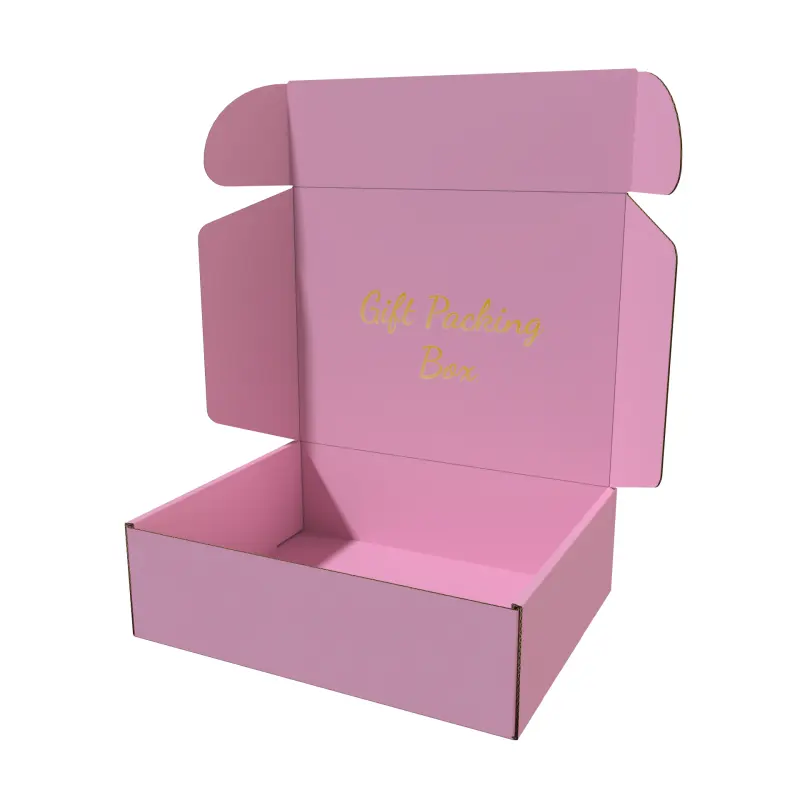
Fashion e-commerce brands face increasing pressure to adopt sustainable practices while maintaining professional presentation and brand identity. Selecting the right clothing packaging solution requires balancing environmental responsibility with customer experience, cost considerations, and logistical efficiency. Modern consumers expect brands to demonstrate environmental consciousness through thoughtful packaging choices that reflect their values while protecting products during shipping and storage.
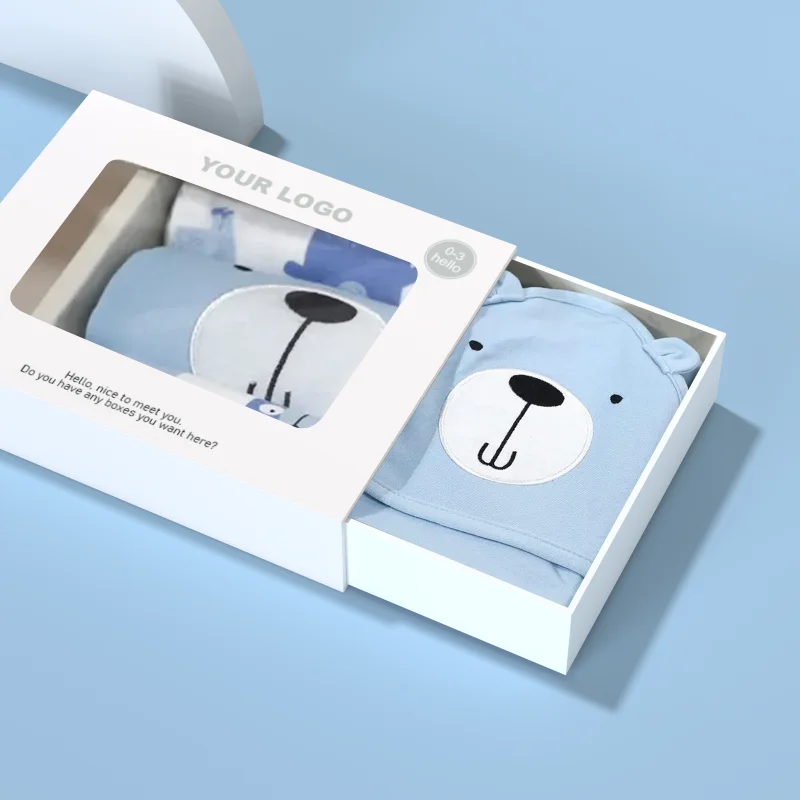
The packaging industry has evolved significantly in recent years, offering fashion retailers numerous options that combine sustainability with functionality. From biodegradable materials to reusable designs, brands can now choose packaging solutions that enhance their environmental credentials while creating memorable unboxing experiences. Understanding the various types of packaging available and their respective advantages enables informed decision-making that aligns with both business objectives and environmental goals.
Understanding Sustainable Clothing Packaging Options
Biodegradable and Compostable Materials
Biodegradable packaging materials break down naturally in the environment without leaving harmful residues. These materials include kraft paper, cardboard made from recycled content, and plant-based plastics derived from cornstarch or sugarcane. Fashion brands utilizing biodegradable clothing packaging boxes can significantly reduce their environmental footprint while maintaining product protection and brand presentation.
Compostable packaging takes sustainability a step further by breaking down into nutrient-rich soil amendment when properly composted. Materials like molded pulp, seaweed-based films, and mushroom packaging offer excellent protection for garments while contributing positively to the circular economy. These innovative solutions appeal to environmentally conscious consumers who prioritize brands demonstrating genuine commitment to sustainability.
Recycled and Recyclable Packaging Solutions
Recycled packaging materials give new life to previously used resources, reducing demand for virgin materials and minimizing waste. Post-consumer recycled cardboard and paper products maintain structural integrity while reducing environmental impact. Many clothing packaging boxes now incorporate high percentages of recycled content without compromising durability or aesthetic appeal.
Recyclable packaging ensures materials can be processed and reused after initial use, creating closed-loop systems that minimize waste generation. Clear labeling and consumer education about proper recycling procedures maximize the environmental benefits of these packaging choices. Brands should consider local recycling infrastructure when selecting recyclable packaging options to ensure materials can be properly processed.
Types of Clothing Packaging Boxes Available
Mailer Boxes and Shipping Containers
Mailer boxes provide excellent protection during shipping while offering opportunities for brand customization and customer engagement. These self-locking containers eliminate the need for additional tape or adhesives, streamlining the packaging process while maintaining professional appearance. Custom printing options allow brands to create distinctive unboxing experiences that reinforce brand identity and values.
Shipping containers designed specifically for clothing accommodate various garment types and sizes while minimizing dimensional weight charges. Adjustable dividers and protective inserts ensure items remain secure during transit, reducing return rates due to damage. Smart design features like easy-open tabs and resealable closures enhance customer satisfaction while encouraging package reuse.
Presentation and Gift Boxes
Premium presentation boxes elevate the perceived value of clothing items while creating memorable customer experiences. These rigid boxes often feature magnetic closures, ribbon pulls, or other luxury details that enhance the unboxing ritual. High-quality materials and finishes justify premium pricing while reinforcing brand positioning in competitive markets.
Gift boxes serve dual purposes by protecting products during shipping and providing ready-to-gift presentation upon arrival. Seasonal designs and customizable elements allow brands to create limited-edition packaging that drives customer engagement and social media sharing. Reusable gift boxes extend brand exposure while providing ongoing value to customers.
Advantages of Different Packaging Types
Cost-Effectiveness and Operational Efficiency
Different packaging solutions offer varying cost structures that impact overall profitability and operational efficiency. Simple mailer boxes typically provide the most cost-effective option for basic protection and branding, while premium presentation boxes command higher prices but justify increased costs through enhanced perceived value. Analyzing total cost of ownership including materials, labor, and shipping expenses helps identify optimal solutions for specific product categories.
Standardizing packaging dimensions across product lines reduces inventory complexity and streamlines fulfillment operations. Universal sizing strategies minimize storage requirements while ensuring adequate protection for various garment types. Automation-friendly designs reduce labor costs and improve processing speeds in high-volume fulfillment environments.
Brand Differentiation and Customer Experience
Unique packaging designs create opportunities for brand differentiation in crowded fashion markets. Custom shapes, innovative opening mechanisms, and interactive elements capture customer attention while reinforcing brand personality. Limited-edition packaging collaborations with artists or designers generate excitement and collectibility that drives repeat purchases.
The unboxing experience significantly influences customer satisfaction and brand perception. Thoughtfully designed clothing packaging boxes create emotional connections that extend beyond the initial purchase. Strategic use of colors, textures, and messaging reinforces brand values while encouraging social media sharing and word-of-mouth marketing.
Selecting the Right Packaging for Your Brand
Product-Specific Considerations
Different clothing categories require specific packaging approaches based on material properties, care requirements, and customer expectations. Delicate items like lingerie or knitwear benefit from soft protective inserts and moisture barriers, while structured garments like jackets or formal wear require rigid support to maintain shape. Understanding product characteristics ensures packaging choices provide adequate protection while optimizing space utilization.
Size variations within product lines necessitate flexible packaging strategies that accommodate different dimensions without excessive waste. Modular packaging systems allow customization for specific items while maintaining cost efficiency through standardized components. Variable sizing options ensure proper fit while minimizing void fill requirements and shipping costs.
Target Market and Brand Positioning
Packaging choices should align with target customer demographics and brand positioning strategies. Luxury fashion brands typically invest in premium packaging materials and finishes that reinforce exclusivity and justify higher price points. Mass-market retailers focus on cost-effective solutions that provide adequate protection while maintaining clean, professional appearance.
Generational preferences influence packaging expectations, with younger consumers often prioritizing sustainability and social responsibility over traditional luxury indicators. Understanding customer values and preferences enables packaging decisions that resonate with target audiences while supporting broader marketing objectives. Regular customer feedback collection helps refine packaging strategies based on actual user experiences.
Implementation Strategies for Sustainable Packaging
Supplier Selection and Partnership Development
Choosing packaging suppliers committed to sustainability requires thorough evaluation of manufacturing processes, material sourcing, and environmental certifications. Established suppliers with documented sustainability credentials provide greater assurance of consistent quality and environmental performance. Long-term partnerships enable collaborative development of custom solutions that meet specific brand requirements while advancing sustainability goals.
Supplier audits and regular performance reviews ensure continued compliance with sustainability standards and quality expectations. Transparent communication about environmental objectives encourages suppliers to invest in cleaner technologies and more sustainable practices. Joint development projects can yield innovative packaging solutions that provide competitive advantages while reducing environmental impact.
Customer Education and Engagement
Educating customers about packaging sustainability initiatives builds brand loyalty while encouraging responsible disposal behaviors. Clear labeling indicating recycling instructions, compostability, or reuse suggestions maximizes environmental benefits of sustainable packaging choices. Digital communications and social media campaigns amplify sustainability messaging while demonstrating genuine commitment to environmental responsibility.
Incentive programs rewarding customers for returning packaging materials or participating in recycling programs create circular economy opportunities while strengthening brand relationships. Packaging take-back programs enable brands to control end-of-life disposal while gathering valuable feedback about packaging performance and customer preferences.
FAQ
What materials are considered most sustainable for clothing packaging?
The most sustainable materials for clothing packaging include post-consumer recycled cardboard, kraft paper from responsibly managed forests, biodegradable films made from plant starches, and compostable materials like molded pulp. These materials offer excellent protection while minimizing environmental impact through renewable sourcing, biodegradability, or recyclability features.
How can fashion brands balance sustainability with brand presentation?
Fashion brands can achieve both sustainability and impressive presentation by investing in high-quality sustainable materials with premium finishes, utilizing innovative eco-friendly printing techniques, and designing packaging that tells their sustainability story. Custom shapes, textures, and colors can create distinctive brand experiences while maintaining environmental responsibility.
What factors should brands consider when choosing clothing packaging sizes?
Key factors include product dimensions and weight, shipping cost implications, storage space efficiency, customer unboxing experience expectations, and void fill requirements. Brands should analyze their product mix to identify optimal standard sizes that accommodate most items while minimizing waste and shipping costs.
How does packaging choice impact customer retention and loyalty?
Thoughtful packaging choices significantly influence customer perception and loyalty by creating positive unboxing experiences, reinforcing brand values, and demonstrating attention to detail. Sustainable packaging particularly resonates with environmentally conscious consumers, while premium packaging enhances perceived value and encourages repeat purchases through memorable brand interactions.