 EN
EN

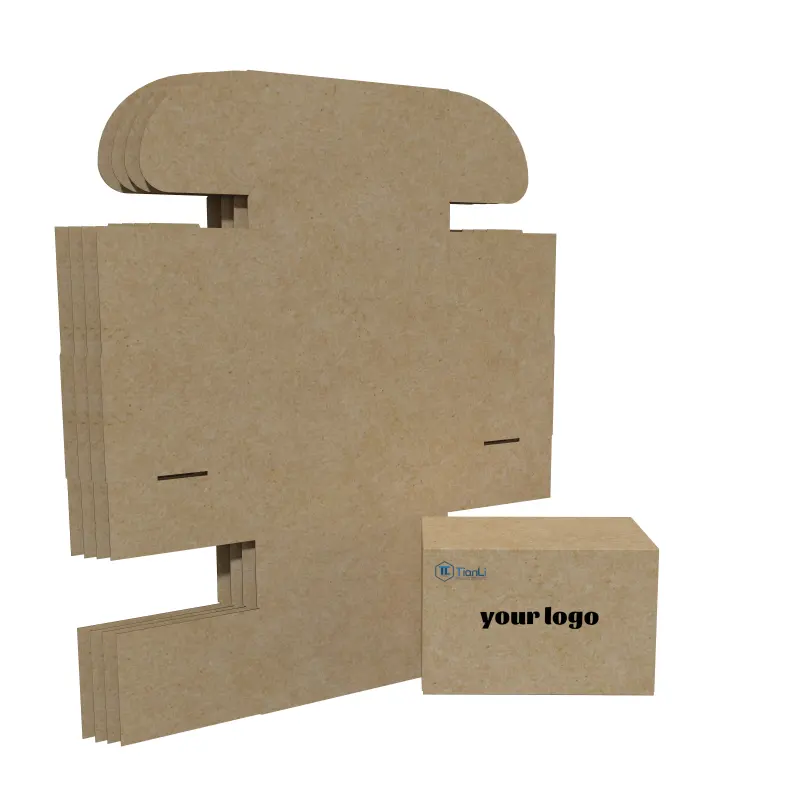
When selecting packaging materials for your business, understanding the fundamental differences between white cardboard boxes and corrugated boxes becomes crucial for making informed decisions that impact both product protection and brand presentation. These two distinct packaging solutions serve different purposes in the commercial landscape, with each offering unique characteristics that make them suitable for specific applications. The choice between these materials directly influences shipping costs, product safety, environmental impact, and ultimately, your brand's market perception.
Material Composition and Manufacturing Differences
White Cardboard Construction
White cardboard boxes are manufactured using high-quality virgin paper pulp or recycled materials, creating a smooth, dense surface that provides excellent printability and aesthetic appeal. The manufacturing process involves multiple layers of paper pressed together under high pressure and temperature, resulting in a rigid structure with superior surface quality. This construction method produces packaging with consistent thickness and a pristine white finish that serves as an ideal canvas for branding elements.
The density of white cardboard typically ranges from 250 to 400 GSM (grams per square meter), making it significantly thicker and more substantial than standard paper while maintaining flexibility for folding and shaping. Advanced manufacturing techniques ensure uniform fiber distribution throughout the material, creating consistent strength characteristics across the entire surface area.
Corrugated Box Architecture
Corrugated boxes feature a distinctive three-layer construction consisting of an outer liner, an inner liner, and a fluted corrugated medium sandwiched between them. This architecture creates exceptional strength-to-weight ratios, making corrugated packaging ideal for heavy-duty shipping applications. The fluted middle layer acts as a cushioning system, providing shock absorption and thermal insulation properties.
Manufacturing involves bonding these layers using water-based adhesives, creating a lightweight yet robust structure capable of withstanding significant compression forces. The corrugated medium can vary in thickness and flute patterns, with common configurations including single face, single wall, double wall, and triple wall constructions depending on required strength specifications.
Performance Characteristics and Durability
Strength and Protection Capabilities
White cardboard boxes excel in applications requiring premium presentation while providing adequate protection for lightweight to medium-weight products. Their solid construction offers excellent edge crush strength and resistance to puncture damage, making them suitable for retail environments where visual appeal remains paramount. However, their protection capabilities become limited when dealing with heavy items or products requiring significant shock absorption during transit.
The structural integrity of white cardboard maintains consistency across various environmental conditions, though moisture exposure can compromise strength characteristics. This limitation necessitates careful consideration of storage and shipping environments to ensure optimal performance throughout the distribution chain.
Corrugated Strength Advantages
Corrugated boxes demonstrate superior performance in high-stress shipping scenarios, with their fluted construction providing exceptional compression resistance and stacking strength. The air pockets within the corrugated medium create natural insulation properties, protecting contents from temperature fluctuations during transport. This design also contributes to excellent shock absorption, making corrugated packaging the preferred choice for fragile or heavy items.
Testing standards such as edge crush strength (ECT) and burst strength measurements demonstrate corrugated boxes' ability to withstand significant mechanical stress. These performance characteristics remain consistent across various flute sizes, with larger flutes providing enhanced cushioning while smaller flutes offer superior printability and structural stability.
Product Suitability and Application Areas
Optimal Uses for White Cardboard Packaging
White cardboard boxes serve as the preferred packaging solution for premium consumer goods, luxury items, and products where brand presentation significantly influences purchasing decisions. Electronics accessories, cosmetics, pharmaceuticals, and high-end retail merchandise benefit from the sophisticated appearance and excellent printing capabilities of white cardboard. The smooth surface accepts various printing techniques, including offset printing, digital printing, and specialty finishes such as foil stamping and embossing.
Fashion accessories, jewelry, small electronic devices, and gourmet food products represent ideal applications for white cardboard packaging. These products typically have moderate weight requirements and benefit from the premium unboxing experience that white cardboard provides. The material's ability to maintain crisp edges and clean lines enhances the perceived value of enclosed products.
Corrugated Box Applications
Corrugated boxes dominate the shipping and logistics industry due to their exceptional protection capabilities and cost-effectiveness for bulk packaging applications. E-commerce fulfillment, industrial packaging, food distribution, and heavy machinery components rely on corrugated solutions for reliable product protection during transit. The versatility of corrugated construction allows for custom sizing and strength specifications tailored to specific shipping requirements.
Automotive parts, home appliances, bulk food items, and industrial supplies represent primary applications where corrugated packaging excels. These products require robust protection against impact damage, moisture, and compression forces encountered in distribution networks. The lightweight nature of corrugated boxes also contributes to reduced shipping costs while maintaining necessary protection levels.
Brand Image and Marketing Considerations
Premium Brand Positioning
Selecting white cardboard boxes for packaging communicates quality, attention to detail, and premium brand positioning to consumers. The pristine white surface creates an immediate impression of cleanliness and sophistication, aligning with luxury brand expectations and premium product categories. This material choice supports higher price points by reinforcing perceived value through tactile and visual quality cues.
Brand managers recognize that packaging serves as the first physical touchpoint between consumers and products, making material selection critical for brand perception management. White cardboard's ability to showcase vibrant colors, intricate designs, and premium finishing techniques creates memorable unboxing experiences that drive customer satisfaction and brand loyalty.
Practical Brand Applications
Corrugated packaging supports brands focused on sustainability, practicality, and cost-effectiveness rather than premium positioning. The natural brown color and utilitarian appearance communicate environmental consciousness and functional efficiency. Many brands successfully leverage corrugated packaging's eco-friendly characteristics to align with consumer environmental values while maintaining cost competitiveness.
Custom printing capabilities on corrugated surfaces continue improving, enabling brands to achieve attractive visual presentations while retaining practical benefits. Modern printing technologies allow for full-color graphics on corrugated surfaces, bridging the gap between functionality and aesthetic appeal.
Environmental Impact and Sustainability
Recyclability and Environmental Considerations
Both white cardboard boxes and corrugated packaging offer excellent recyclability characteristics, contributing to circular economy principles and environmental sustainability goals. White cardboard typically contains higher percentages of virgin fibers, which can be recycled multiple times while maintaining quality standards. The bleaching processes used in white cardboard production have environmental implications, though modern manufacturing employs chlorine-free bleaching methods to minimize ecological impact.
Corrugated packaging demonstrates exceptional sustainability credentials through high recycled content percentages and efficient recycling processes. The material can be recycled up to seven times before fiber degradation affects structural integrity, making it one of the most successfully recycled packaging materials globally. Manufacturing processes for corrugated boxes typically consume less energy and water compared to white cardboard production.
Carbon Footprint Analysis
Transportation efficiency plays a crucial role in the environmental impact assessment of packaging materials. Corrugated boxes' lightweight construction reduces shipping-related carbon emissions, while their stackability optimizes container utilization during transport. White cardboard boxes, while heavier, often enable product consolidation and premium positioning that can justify environmental impact through extended product lifecycles and reduced replacement frequency.
Life cycle assessments reveal that packaging material selection should consider the entire product journey from manufacturing through disposal. Both materials support environmental objectives when properly integrated into waste management systems and recycling programs.
Cost Analysis and Economic Factors
Initial Investment and Production Costs
White cardboard boxes typically command higher unit costs due to premium materials, specialized manufacturing processes, and superior surface finishing requirements. However, this investment often generates returns through enhanced brand perception, reduced marketing costs, and premium pricing opportunities. The cost differential becomes particularly significant for small-volume orders where setup costs represent larger portions of total expenses.
Production efficiency varies significantly between these materials, with corrugated boxes offering faster manufacturing speeds and lower setup costs for standard configurations. Custom sizing and printing requirements can impact production timelines and costs for both materials, though corrugated solutions generally maintain cost advantages across most volume ranges.
Total Cost of Ownership
Comprehensive cost analysis must include shipping expenses, damage rates, storage requirements, and end-of-life disposal costs. Corrugated boxes' lightweight construction reduces shipping costs, while their superior protection capabilities minimize product damage and associated replacement costs. White cardboard boxes may generate higher initial expenses but can support premium pricing strategies that offset material cost differentials.
Inventory management costs differ between these materials due to storage space requirements and handling considerations. White cardboard boxes typically require more careful handling and climate-controlled storage to maintain appearance standards, while corrugated boxes demonstrate greater tolerance for varied storage conditions.
Selection Criteria and Decision Framework
Product-Specific Considerations
Successful packaging material selection requires careful evaluation of product characteristics, target market expectations, and distribution requirements. Product weight, fragility, and value density significantly influence optimal material choice. High-value, lightweight products benefit from white cardboard's premium presentation capabilities, while heavy or fragile items require corrugated boxes' superior protection characteristics.
Market positioning objectives also influence material selection, with luxury brands typically favoring white cardboard for consistent premium messaging. Mass market products and industrial applications generally prioritize corrugated solutions for cost-effectiveness and protection reliability. Understanding target audience expectations helps align packaging choices with brand objectives and market positioning strategies.
Implementation Strategies
Successful packaging programs often employ both materials strategically across different product lines or market segments. This approach allows brands to optimize costs while maintaining appropriate presentation standards for each application. Pilot testing programs help validate material selections before full implementation, reducing risks associated with packaging transitions.
Supply chain integration requirements must be considered when selecting packaging materials, ensuring compatibility with existing handling equipment, storage systems, and distribution networks. Standardization opportunities can reduce complexity and costs while maintaining necessary performance characteristics across product portfolios.
FAQ
Which material offers better printing quality for brand graphics
White cardboard boxes provide superior printing quality due to their smooth, dense surface that accepts inks evenly and produces sharp, vibrant graphics. The white background enhances color accuracy and contrast, making it ideal for detailed brand designs, photographs, and premium finishing techniques like foil stamping or embossing. Corrugated boxes have improved printing capabilities with modern technology, but the textured surface and natural brown color can limit design options and color vibrancy compared to white cardboard.
How do shipping costs compare between these two packaging materials
Corrugated boxes typically result in lower shipping costs due to their lightweight construction and efficient space utilization during transport. The fluted structure provides strength without excessive weight, while standardized sizing optimizes container loading. White cardboard boxes are generally heavier and may require more protective packaging during shipping, potentially increasing transportation costs. However, the cost difference varies depending on product density, shipping distances, and volume requirements.
What are the minimum order quantities for custom packaging
Minimum order quantities vary significantly between suppliers and depend on customization complexity, printing requirements, and material specifications. White cardboard boxes often have higher minimum orders (typically 1,000-5,000 units) due to specialized printing setups and premium materials. Corrugated boxes generally offer lower minimums (500-1,000 units) for standard configurations, though complex designs or specialty flutes may increase requirements. Digital printing technologies are reducing minimum orders for both materials, enabling smaller businesses to access custom packaging solutions.
Can both materials be used for food packaging applications
Both white cardboard and corrugated materials can be manufactured to meet food-grade safety standards, though specific treatments and coatings may be required depending on the food product and contact duration. White cardboard boxes are commonly used for dry goods, confections, and premium food presentations, while corrugated boxes excel in bulk food distribution and products requiring moisture barriers. Food safety certifications, barrier properties, and migration testing requirements must be verified with suppliers to ensure compliance with relevant food packaging regulations.