 EN
EN
Essential Guide to Cake Box Selection for Maximum Value
Selecting the right cake box is crucial for both protecting your delicious creations and ensuring cost-effectiveness. Whether you're a professional baker, home-based business owner, or someone who frequently transports baked goods, understanding cake box options can significantly impact your bottom line and customer satisfaction. The perfect cake box not only preserves the freshness and presentation of your cakes but also represents your brand and commitment to quality.
Today's market offers an extensive range of cake box solutions, each with unique features and price points. From eco-friendly options to luxury presentations, the choices can seem overwhelming. This comprehensive guide will help you navigate through various cake box options while considering both practical functionality and financial aspects.
Understanding Different Cake Box Materials
Cardboard and Paperboard Options
Cardboard and paperboard cake boxes represent the most common and versatile choice in the market. These boxes offer an excellent balance between durability and cost-effectiveness. Single-wall cardboard provides basic protection and is suitable for immediate cake transportation, while double-wall variants offer enhanced stability for heavier cakes or longer transit times.
The advantage of paperboard lies in its lightweight nature and excellent printability, making it ideal for branding purposes. Many suppliers offer these boxes in both white and kraft finishes, allowing businesses to choose between a professional clean look or an eco-friendly appearance.
Plastic and Clear Window Varieties
Premium plastic cake boxes, while typically more expensive than cardboard options, offer unique benefits that may justify the investment. These boxes provide superior visibility, allowing customers to admire the cake without opening the package. The transparent design creates an instant visual appeal and can command higher prices for specialty cakes.
Modern plastic cake boxes often feature enhanced durability and reusability, making them an attractive option for customers who appreciate sustainable solutions. Some varieties come with adjustable heights and removable inserts, offering flexibility for different cake sizes.
Size and Style Considerations
Standard Dimensions and Customization
When selecting a cake box, size standardization helps optimize inventory management and reduces costs. Common sizes include 8-inch, 10-inch, and 12-inch squares or rounds, but the market also offers rectangular options for sheet cakes. Purchasing standard sizes in bulk typically results in better unit pricing.
However, custom-sized cake boxes might be necessary for specialty creations or unique brand positioning. While customization increases initial costs, it can provide long-term value through improved product protection and enhanced brand recognition.
Design Features and Functionality
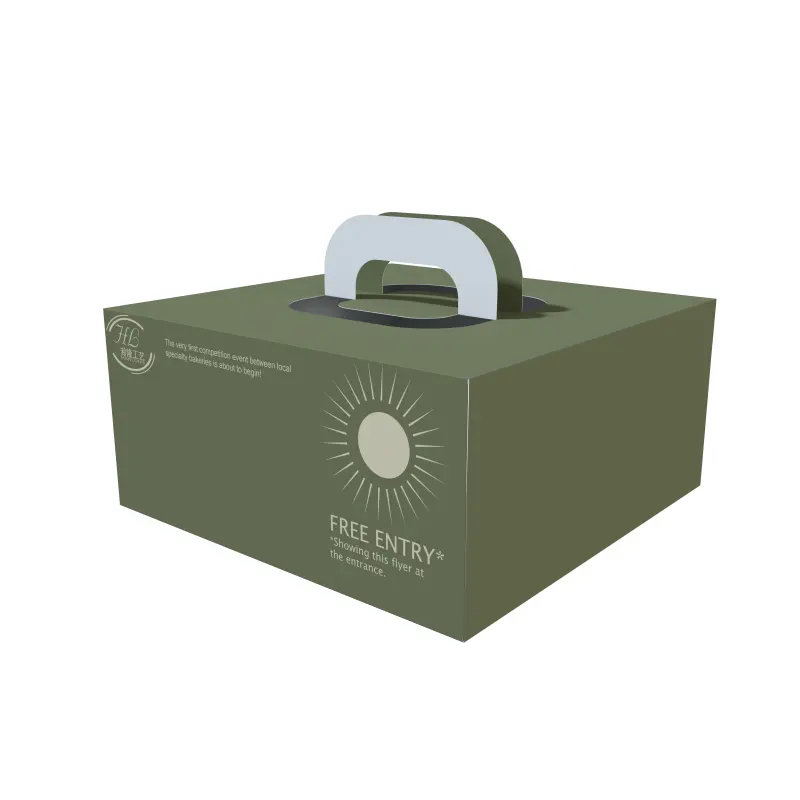
Modern cake boxes incorporate various design features that affect both utility and cost. Auto-lock bottoms save assembly time, while window panels showcase the product. Some boxes feature built-in handles, eliminating the need for separate carrying solutions. These features may increase the unit price but can deliver better overall value through improved customer experience and reduced packaging time.
Consider boxes with moisture-resistant coatings for areas with high humidity or when refrigeration is necessary. Though these specialized coatings add to the cost, they protect against condensation and maintain the cake's appearance longer.
Cost Analysis and Value Metrics
Initial Purchase Considerations
When evaluating cake box options, consider both unit cost and minimum order quantities. Bulk purchases typically offer significant discounts, but storage space and product turnover must be factored into the decision. Premium boxes might cost 30-50% more than basic options but can justify their price through enhanced presentation and durability.
Calculate the total cost of ownership, including storage, assembly time, and potential waste due to damage or obsolescence. Some apparently cheaper options might actually cost more when these factors are considered.
Long-term Value Assessment
Value assessment should extend beyond immediate costs to consider customer satisfaction and brand perception. Higher-quality cake boxes can reduce damage during transport, resulting in fewer replacements and refunds. They may also command premium pricing for your products, offsetting the increased packaging costs.
Consider customer feedback and repeat business rates when evaluating different cake box options. A slightly more expensive box that generates positive reviews and encourages returns creates better long-term value than a cheaper alternative that risks product damage or customer disappointment.
Environmental Impact and Sustainability
Eco-friendly Materials and Options
Sustainable cake boxes, while sometimes priced higher, increasingly influence purchasing decisions. Biodegradable and recyclable options appeal to environmentally conscious customers and can justify premium pricing. Many manufacturers now offer boxes made from recycled materials without compromising on strength or appearance.
Consider the full environmental impact, including production methods and end-of-life disposal. Some eco-friendly alternatives may cost more initially but align with growing consumer preferences for sustainable packaging.
Waste Reduction Strategies
Implementing effective waste reduction strategies can significantly impact the overall value of your cake box choice. Stackable designs optimize storage space and reduce transportation costs. Boxes with minimal excess space prevent unnecessary material waste and shipping expenses.
Consider boxes with multi-purpose features that customers might reuse, adding perceived value to your product. Some innovative designs convert into serving plates or storage containers, extending their utility beyond single use.
Frequently Asked Questions
What is the most cost-effective cake box material for a small bakery?
For small bakeries, corrugated cardboard or paperboard cake boxes typically offer the best value for money. They provide good protection, are widely available in standard sizes, and can be purchased in smaller quantities. These materials also offer excellent printability for branding while maintaining reasonable costs.
How do storage conditions affect cake box selection?
Storage conditions significantly influence cake box choice and value. Boxes stored in humid environments need moisture-resistant coatings, while those in dry conditions may use standard materials. Temperature fluctuations can affect both cardboard and plastic boxes differently, so consider your specific storage environment when making a selection.
Are premium cake boxes worth the extra investment?
Premium cake boxes can be worth the additional cost if they align with your business model and target market. They often provide better protection, enhanced presentation, and stronger brand positioning. Consider factors like your pricing strategy, customer expectations, and product positioning when evaluating premium options.
How can bulk purchasing improve cake box value?
Bulk purchasing typically offers significant cost savings through volume discounts, reduced shipping costs per unit, and more efficient inventory management. However, ensure you have adequate storage space and sufficient turnover to prevent waste. Calculate your average monthly usage to determine optimal order quantities that balance discount pricing with practical storage limitations.