 EN
EN

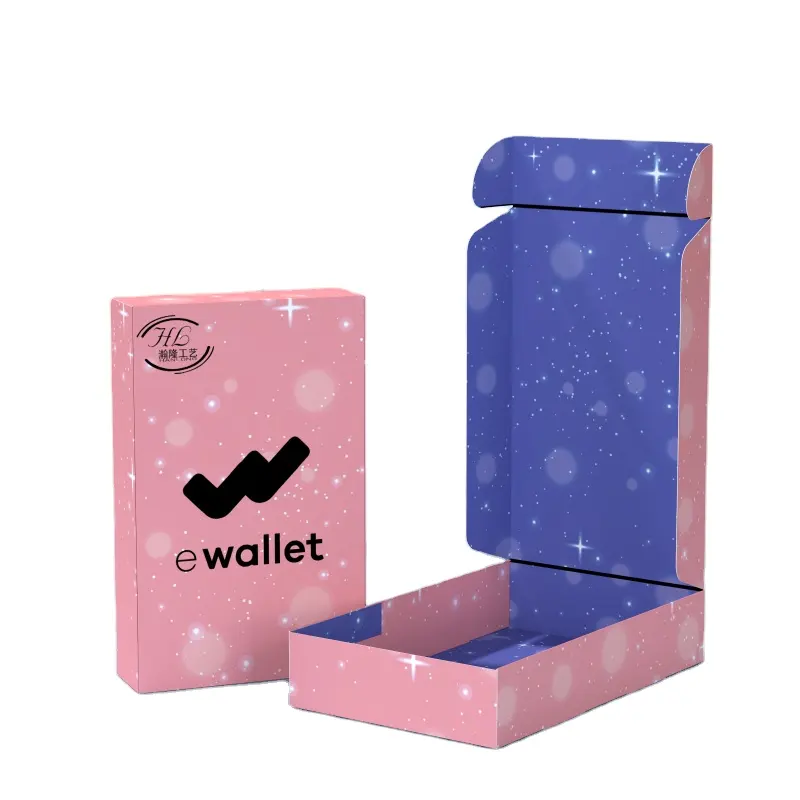
Creating an effective labeling and branding strategy for your fruit box packaging is essential for capturing customer attention and driving sales in competitive retail environments. A well-designed fruit box serves as both protective packaging and a powerful marketing tool that communicates quality, freshness, and brand identity to potential buyers. The visual appeal of your fruit box directly influences purchasing decisions, with consumers often making split-second judgments based on packaging aesthetics and information clarity. Understanding the fundamental principles of fruit box labeling and branding enables retailers and producers to maximize their market presence while ensuring compliance with regulatory requirements. Modern consumers expect transparency, sustainability messaging, and clear product information, making strategic fruit box design more critical than ever for retail success.
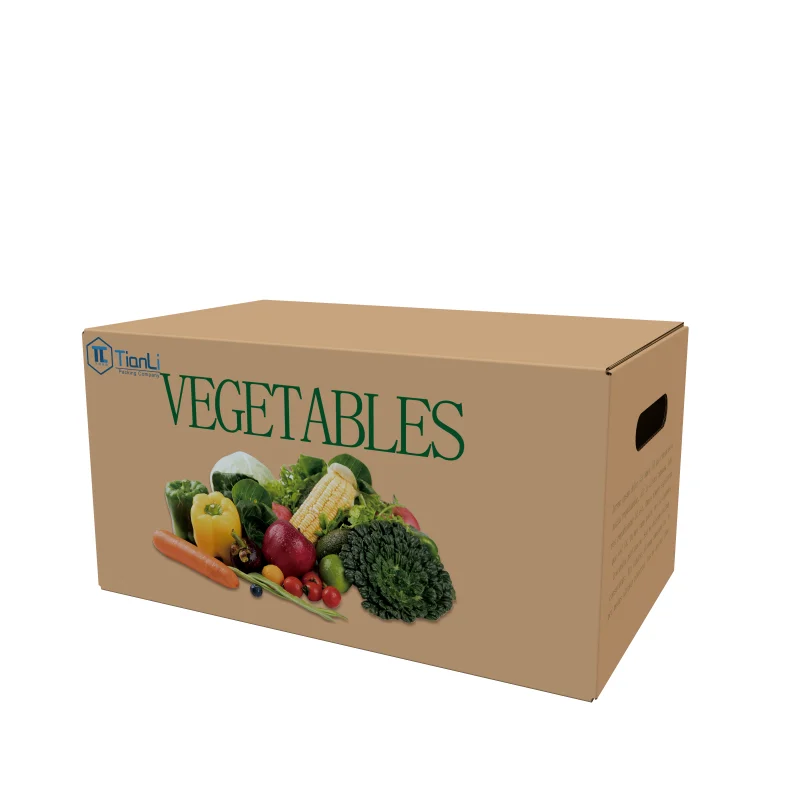
Essential Elements of Fruit Box Labeling
Product Information Requirements
Every fruit box must display critical product information that helps customers make informed purchasing decisions while meeting legal compliance standards. The origin of the fruit should be prominently featured, as consumers increasingly value knowing where their produce comes from and supporting local or preferred growing regions. Weight specifications must be clearly visible and accurate, typically displayed in both metric and imperial measurements to accommodate diverse customer preferences. Harvest dates or best-by dates provide essential freshness indicators that influence consumer confidence in product quality.
Nutritional information, while not always required for fresh produce, can add value by highlighting health benefits and encouraging health-conscious purchasing decisions. Grade classifications, such as premium or standard quality designations, help customers understand what they're purchasing and justify pricing differences. Organic certifications, fair trade labels, or other quality assurance badges should be prominently displayed when applicable, as these significantly influence modern consumer choices. Storage instructions and handling recommendations protect both the product and consumer investment by ensuring optimal fruit quality retention.
Branding and Visual Identity
The visual identity of your fruit box creates immediate brand recognition and differentiates your products from competitors in crowded retail displays. Color schemes should align with your overall brand palette while considering psychological associations with freshness, quality, and natural origins. Typography choices must balance readability with brand personality, ensuring that essential information remains legible even from a distance or in varying lighting conditions. Logo placement requires strategic consideration to maximize visibility without overwhelming other critical information elements.
Brand storytelling through imagery and messaging creates emotional connections with consumers who seek authentic, meaningful food experiences. Photography or illustrations of the actual fruit creates appetite appeal and sets quality expectations, while farm imagery or sustainability messaging appeals to environmentally conscious consumers. Consistent use of brand elements across different fruit box sizes and varieties builds recognition and trust over time. The overall aesthetic should reflect the quality level and target market positioning of your produce offerings.
Design Strategies for Maximum Impact
Color Psychology and Visual Appeal
Understanding color psychology enables strategic fruit box design that subconsciously influences consumer behavior and purchasing decisions. Green tones naturally associate with freshness, health, and environmental consciousness, making them popular choices for organic or premium fruit packaging. Earth tones like browns and tans suggest natural, farm-fresh origins while conveying authenticity and traditional farming values. Bright, vibrant colors can create excitement and appetite appeal, particularly effective for tropical or exotic fruit varieties.
The contrast between background colors and text ensures readability across various lighting conditions commonly found in retail environments. Seasonal color adaptations can align your fruit box with holiday themes or seasonal preferences, creating additional marketing opportunities. Metallic accents or spot colors can convey premium positioning when used judiciously, but excessive use may appear gaudy or inauthentic for fresh produce packaging. Color consistency across product lines builds brand recognition while allowing for variety-specific adaptations.
Typography and Information Hierarchy
Effective typography creates clear information hierarchy that guides customer attention to the most important details about your fruit box contents. Primary information like fruit variety and brand name should use larger, bolder fonts that remain legible from typical shopping distances. Secondary information including origin, weight, and quality designations requires medium-sized fonts that complement rather than compete with primary messaging. Fine print for regulatory information, storage instructions, or contact details should remain readable while not dominating the overall design.
Font choices should reflect brand personality while maintaining professional credibility and readability standards. Sans-serif fonts typically offer better legibility for packaging applications, particularly in smaller sizes or when printed on textured surfaces. Consistent spacing and alignment create professional appearance and improve information processing speed for busy consumers. Strategic use of bold or italic formatting can emphasize key selling points without overwhelming the overall design aesthetic.
Material Considerations for Durability and Appeal
Substrate Selection and Print Quality
The choice of packaging material significantly impacts both the durability of your fruit box labeling and the overall consumer perception of product quality. Corrugated cardboard offers excellent printability while providing necessary structural strength for fruit transportation and display. The surface texture and coating of your chosen substrate affects ink absorption and color vibrancy, directly influencing the visual impact of your branding efforts. High-quality printing techniques ensure that colors remain vibrant and text stays sharp throughout the supply chain process.
Moisture resistance becomes critical for fruit packaging, as condensation and handling can compromise label integrity and readability. Laminated surfaces or special coatings protect printing while maintaining the natural, eco-friendly appearance that appeals to health-conscious consumers. The weight and thickness of packaging material must balance cost considerations with the premium appearance that justifies higher fruit prices. Recyclable and biodegradable materials align with sustainability messaging while meeting environmental regulations in many markets.
Sustainability and Environmental Messaging
Modern consumers increasingly prioritize environmental responsibility, making sustainability messaging a crucial component of effective fruit box branding. Recyclability symbols and disposal instructions demonstrate environmental consciousness while providing practical guidance for responsible consumer behavior. Biodegradable packaging materials can become a key selling point, particularly for organic or premium fruit offerings. Carbon footprint information or environmental certifications appeal to eco-conscious consumers willing to pay premium prices for sustainable options.
Local sourcing messages reduce perceived environmental impact while supporting community agriculture initiatives. Plastic reduction or elimination messaging addresses growing consumer concerns about packaging waste and environmental pollution. Forest Stewardship Council certifications or similar environmental credentials can differentiate your fruit box in competitive retail environments. Clear communication about sustainable practices throughout the supply chain builds trust and justifies premium positioning.
Regulatory Compliance and Safety Standards
Food Safety and Traceability Requirements
Regulatory compliance ensures that your fruit box labeling meets legal requirements while protecting both consumers and your business from liability issues. Traceability information enables rapid response to food safety concerns and demonstrates commitment to consumer protection. Lot numbers or batch codes allow for precise tracking throughout the distribution chain, essential for recalls or quality investigations. Proper labeling of treatment methods, such as waxing or chemical applications, protects consumers with allergies or sensitivity concerns.
Country of origin labeling helps consumers make informed choices based on their preferences for supporting domestic agriculture or avoiding certain regions. Organic certification requirements demand specific labeling protocols that must be followed precisely to maintain certification validity. Allergen warnings, while less common for fresh fruit, may be necessary for processed or treated products. Contact information for the producer or distributor provides accountability and customer service access when needed.
International Standards and Export Considerations
Export markets often require additional labeling elements that must be integrated into your fruit box design without compromising domestic appeal. Multi-language labeling accommodates diverse consumer bases in international markets while meeting import regulations. Phytosanitary certificates and treatment documentation may require specific placement and formatting on export packaging. International shipping codes and handling instructions protect product quality during extended transportation periods.
Different countries maintain varying standards for organic certification, nutritional claims, and environmental messaging that must be researched and incorporated appropriately. Cultural sensitivity in imagery and messaging prevents marketing missteps that could damage brand reputation in new markets. Import duty classifications and customs information streamline border processing while reducing delays that could compromise fruit quality. Standardized sizing and measurement conversions facilitate international commerce while meeting local consumer expectations.
Technology Integration and Smart Packaging
QR Codes and Digital Engagement
Modern fruit box labeling increasingly incorporates digital technologies that bridge physical packaging with online brand experiences and information. QR codes provide instant access to detailed product information, farming practices, recipes, or sustainability stories that wouldn't fit on physical packaging. These digital connections enable ongoing consumer engagement beyond the initial purchase, building brand loyalty and encouraging repeat purchases. Mobile-optimized content accessed through fruit box QR codes can include video farm tours, chef demonstrations, or seasonal recipe suggestions.
Digital integration allows for dynamic content updates without reprinting packaging, enabling seasonal messaging or promotional offers. Consumer feedback collection through digital channels provides valuable insights for product development and marketing refinement. Social media integration encourages user-generated content and viral marketing opportunities when consumers share their fresh fruit experiences. Analytics from digital interactions help optimize future fruit box designs and marketing strategies based on actual consumer behavior patterns.
Smart Labels and Freshness Indicators
Advanced packaging technologies offer opportunities to differentiate your fruit box through innovative freshness monitoring and consumer communication features. Temperature-sensitive labels can indicate whether cold chain requirements have been maintained during transportation and storage. Ripeness indicators help consumers select fruit at their preferred stage of maturity while reducing waste from premature purchasing decisions. Time-temperature indicators provide objective freshness assessment that builds consumer confidence in product quality.
RFID tags enable sophisticated inventory management while providing detailed product history information for interested consumers. Near-field communication technology allows smartphones to access product information simply by touching the fruit box, creating seamless digital experiences. Smart packaging integration positions your brand as innovative and forward-thinking while providing practical consumer benefits. These technologies can justify premium pricing while reducing returns and customer complaints related to fruit quality concerns.
Cost-Effective Implementation Strategies
Budget Planning and Design Optimization
Successful fruit box labeling and branding requires careful budget allocation that balances visual impact with cost control considerations. Design standardization across multiple fruit varieties reduces setup costs while maintaining brand consistency and recognition. Strategic color usage can minimize printing costs while maximizing visual appeal through thoughtful application of spot colors or gradients. Template-based designs allow for variety-specific customization without complete redesign costs for each fruit box type.
Bulk printing arrangements reduce per-unit costs while requiring careful demand forecasting to avoid waste from overproduction. Seasonal design variations can be cost-effectively achieved through changeable elements like stickers or bands rather than complete package redesigns. Partnership arrangements with packaging suppliers may offer design services and bulk pricing that reduce overall implementation costs. Investment in high-quality initial design work pays dividends through reduced revision costs and improved market performance.
Scaling and Production Considerations
Production scaling requires careful consideration of how fruit box designs will perform across different volumes and manufacturing conditions. Automation compatibility ensures that labeling processes can accommodate growth without proportional increases in labor costs. Quality control standards must be established and maintained as production volumes increase to preserve brand reputation and customer satisfaction. Supplier relationship management becomes critical for maintaining consistent quality and delivery schedules as your fruit box program expands.
Regional customization capabilities allow for market-specific adaptations without compromising overall brand coherence or dramatically increasing costs. Inventory management systems must account for multiple design variations while minimizing carrying costs and obsolescence risks. Flexibility in production scheduling accommodates seasonal demand fluctuations common in fresh fruit markets. Standardized approval processes ensure design consistency while allowing for timely responses to market opportunities or regulatory changes.
FAQ
What are the most important elements to include on a fruit box label?
The most critical elements for any fruit box include clear product identification, origin information, weight specifications, and harvest or best-by dates. Brand identification should be prominently displayed along with any quality certifications like organic status or grade classifications. Contact information for the producer or distributor enables customer service while regulatory compliance information meets legal requirements. Visual elements like product photography and brand colors create appeal while maintaining professional credibility in retail environments.
How can small producers compete with large brands in fruit box design?
Small producers can differentiate their fruit box packaging through authentic storytelling, local sourcing emphasis, and personal connections with customers. Focus on unique value propositions like family farming heritage, sustainable practices, or specialty varieties that larger brands cannot easily replicate. Cost-effective design solutions include template-based approaches, strategic partnerships with local designers, and digital printing technologies that enable small-batch customization. Emphasizing freshness, quality, and direct-from-farm authenticity appeals to consumers seeking alternatives to mass-produced options.
What sustainability features should be highlighted on modern fruit packaging?
Modern consumers expect clear communication about recyclability, biodegradability, and minimal environmental impact from their fruit box packaging. Highlight the use of recycled materials, renewable resources, or compostable components prominently on the packaging design. Carbon footprint reduction efforts, local sourcing to minimize transportation, and plastic-free packaging solutions address growing environmental concerns. Third-party environmental certifications like Forest Stewardship Council approval or carbon-neutral shipping provide credible sustainability credentials that influence purchasing decisions.
How often should fruit box designs be updated or refreshed?
Fruit box designs should be evaluated annually for effectiveness while considering seasonal variations and market feedback throughout the year. Major design overhauls typically occur every three to five years to maintain freshness and contemporary appeal without confusing established customers. Minor updates like seasonal color variations or promotional messaging can be implemented more frequently to maintain interest and capitalize on marketing opportunities. Market research and sales performance data should guide timing decisions while balancing consistency needs with innovation requirements for competitive advantage.