 EN
EN
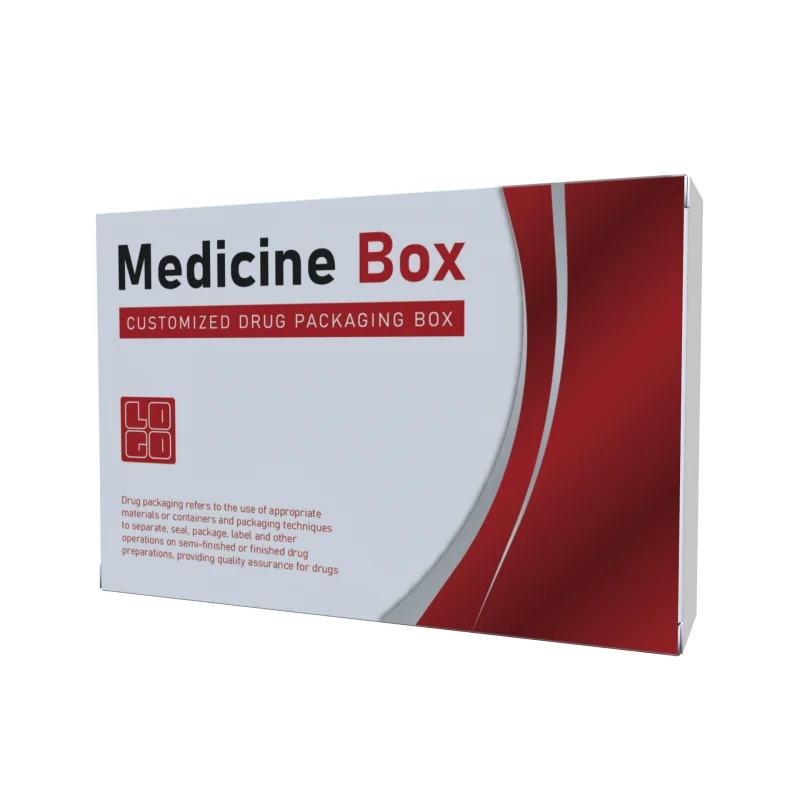
Pharmaceutical packaging requires exceptional protection against environmental factors that can compromise drug efficacy and patient safety. Moisture is one of the most significant threats to medication integrity, making moisture-proof medicine boxes an essential component of pharmaceutical supply chains. Modern pharmaceutical companies must carefully select packaging materials that provide optimal barrier protection while maintaining cost-effectiveness and regulatory compliance. Understanding the various material options available for moisture-proof medicine boxes enables manufacturers to make informed decisions that protect their products throughout the entire distribution cycle.
Material Science Behind Moisture Barrier Properties
Polymer Barrier Mechanisms
The effectiveness of moisture-proof medicine boxes depends largely on the molecular structure of the packaging materials used. High-performance polymers create tortuous pathways that prevent water vapor transmission through the packaging walls. Materials with crystalline structures and tight molecular packing demonstrate superior barrier properties compared to amorphous polymers. Advanced polymer blends combine multiple barrier mechanisms to achieve exceptional moisture protection levels required for sensitive pharmaceutical formulations.
Multilayer polymer structures enhance the protective capabilities of moisture-proof medicine boxes by incorporating different materials with complementary properties. Each layer serves a specific function, from structural integrity to moisture barrier performance. The synergistic effect of these multilayer systems creates packaging solutions that outperform single-material alternatives while maintaining manufacturing feasibility and cost-effectiveness.
Permeability Testing Standards
Pharmaceutical industry standards require rigorous testing protocols to validate the moisture barrier performance of packaging materials. Water vapor transmission rate testing measures the amount of moisture that penetrates through packaging materials under controlled conditions. These standardized tests ensure that moisture-proof medicine boxes meet the stringent requirements for pharmaceutical applications and maintain product stability throughout their intended shelf life.
Advanced testing methodologies evaluate barrier properties under various environmental conditions, including temperature fluctuations and humidity extremes. Accelerated aging tests simulate long-term storage conditions to predict the performance of moisture-proof medicine boxes over extended periods. These comprehensive evaluation protocols provide manufacturers with confidence in their packaging material selections and support regulatory compliance requirements.
High-Performance Plastic Materials
Polyethylene Terephthalate Applications
Polyethylene terephthalate represents one of the most versatile materials for moisture-proof medicine boxes due to its excellent barrier properties and chemical resistance. This crystalline polymer provides superior protection against water vapor while maintaining transparency for product visibility. The molecular orientation achieved during manufacturing processes enhances the barrier performance of PET materials, making them ideal for moisture-sensitive pharmaceutical applications.
Modified PET formulations incorporate barrier-enhancing additives that further improve moisture protection capabilities. These advanced materials maintain the processing advantages of standard PET while delivering enhanced performance characteristics required for critical pharmaceutical packaging applications. The combination of barrier properties, clarity, and recyclability makes PET an attractive option for sustainable moisture-proof medicine boxes.
Polypropylene Barrier Solutions
Polypropylene offers excellent chemical resistance and moisture barrier properties that make it suitable for pharmaceutical packaging applications. The semicrystalline structure of polypropylene creates an effective barrier against water vapor transmission while providing mechanical strength and durability. Advanced polypropylene grades incorporate specialized additives that enhance barrier performance without compromising other material properties.
Oriented polypropylene films demonstrate exceptional barrier properties due to molecular alignment achieved during the stretching process. These materials provide cost-effective solutions for moisture-proof medicine boxes while maintaining excellent printability for pharmaceutical labeling requirements. The versatility of polypropylene processing enables manufacturers to create complex packaging designs that meet specific pharmaceutical protection needs.
Advanced Composite Materials
Aluminum Foil Laminations
Aluminum foil represents the gold standard for moisture barrier protection in pharmaceutical packaging applications. The metallic barrier provides virtually complete protection against water vapor transmission, making it ideal for moisture-sensitive medications. Laminated structures combining aluminum foil with other materials create robust moisture-proof medicine boxes that deliver exceptional protection while maintaining processing flexibility.
Advanced aluminum lamination techniques optimize barrier performance while minimizing material thickness and cost. These sophisticated structures incorporate specialized adhesive systems that maintain barrier integrity under various environmental conditions. The exceptional barrier properties of aluminum-based materials make them essential components in high-performance moisture-proof medicine boxes for critical pharmaceutical applications.
Metallized Film Technologies
Metallized polymer films combine the barrier advantages of metallic materials with the processing benefits of plastic substrates. Vacuum metallization processes create thin metallic layers on polymer surfaces, resulting in materials with enhanced moisture barrier properties. These advanced films provide cost-effective alternatives to traditional aluminum foil while maintaining excellent barrier performance for moisture-proof medicine boxes.
Transparent metallized films enable product visibility while delivering superior moisture protection compared to conventional plastic materials. The optical properties of these materials can be engineered to provide UV protection while maintaining transparency for pharmaceutical packaging applications. Advanced metallization technologies continue to expand the possibilities for innovative moisture-proof medicine boxes that meet evolving pharmaceutical industry requirements.
Specialized Barrier Coatings
Ceramic Barrier Technologies
Ceramic coating technologies represent cutting-edge solutions for enhancing the barrier properties of conventional packaging materials. These ultra-thin inorganic layers create exceptional moisture barriers while maintaining the processing characteristics of the base substrate. Atomic layer deposition and other advanced coating techniques enable precise control over barrier properties in moisture-proof medicine boxes.
Silicon oxide and aluminum oxide coatings demonstrate remarkable barrier performance when applied to plastic substrates. These transparent coatings enhance moisture protection without affecting the visual properties of packaging materials. The durability and chemical resistance of ceramic barriers make them ideal for demanding pharmaceutical applications where moisture-proof medicine boxes must maintain performance under challenging conditions.
Organic Barrier Coatings
Advanced polymer coating systems provide flexible solutions for enhancing moisture barrier properties of packaging materials. These organic coatings can be formulated to provide specific barrier characteristics while maintaining compatibility with existing manufacturing processes. Sophisticated polymer chemistry enables the development of coatings that deliver exceptional moisture protection for pharmaceutical packaging applications.
Water-based barrier coatings offer environmentally friendly alternatives to traditional solvent-based systems while maintaining excellent barrier performance. These sustainable coating solutions support the pharmaceutical industry's commitment to environmental responsibility while delivering the protection required for moisture-proof medicine boxes. Continuous innovation in organic barrier technologies expands the options available for pharmaceutical packaging applications.
Material Selection Criteria
Regulatory Compliance Requirements
Pharmaceutical packaging materials must comply with strict regulatory requirements that ensure patient safety and product efficacy. Food and drug administration guidelines specify acceptable materials for direct contact with pharmaceutical products. These regulations influence material selection for moisture-proof medicine boxes and require comprehensive documentation of material safety and performance characteristics.
International harmonization efforts have standardized many pharmaceutical packaging requirements, simplifying material selection for global markets. However, regional differences in regulatory requirements still exist and must be considered when developing moisture-proof medicine boxes for international distribution. Staying current with evolving regulatory landscapes ensures continued compliance and market access for pharmaceutical products.
Cost-Performance Optimization
Balancing barrier performance with cost considerations requires careful analysis of material options and their impact on overall packaging economics. High-performance materials may justify higher costs through improved product protection and extended shelf life. Value engineering approaches help identify optimal material combinations that deliver required protection while maintaining cost competitiveness in moisture-proof medicine boxes.
Life cycle cost analysis considers not only material costs but also processing efficiency, waste reduction, and end-of-life disposal costs. Sustainable material choices may offer long-term cost advantages through reduced environmental impact fees and improved corporate sustainability profiles. Comprehensive cost modeling enables informed decisions about material investments for moisture-proof medicine boxes that support both performance and profitability objectives.
Manufacturing Process Integration
Converting Technology Compatibility
Material selection for moisture-proof medicine boxes must consider compatibility with existing manufacturing equipment and processes. Different materials require specific processing parameters, tooling configurations, and quality control procedures. Understanding these manufacturing requirements early in the design process prevents costly modifications and ensures efficient production of high-quality pharmaceutical packaging.
Advanced converting technologies enable the processing of sophisticated barrier materials while maintaining production efficiency. Precision coating, lamination, and forming processes allow manufacturers to create complex moisture-proof medicine boxes with exceptional barrier properties. Investment in appropriate processing equipment ensures optimal material performance while maintaining manufacturing competitiveness.
Quality Control Protocols
Rigorous quality control procedures ensure consistent barrier performance in moisture-proof medicine boxes throughout production runs. In-line testing equipment monitors critical parameters such as barrier properties, seal strength, and dimensional accuracy. These real-time quality assessments enable immediate process adjustments to maintain product specifications and minimize waste.
Statistical process control methods help identify trends and variations in material performance that could affect product quality. Predictive maintenance programs based on quality data ensure consistent production of moisture-proof medicine boxes that meet pharmaceutical industry standards. Continuous improvement initiatives leverage quality data to optimize material utilization and enhance manufacturing efficiency.
Future Innovations in Barrier Materials
Nanotechnology Applications
Nanotechnology offers revolutionary possibilities for enhancing the barrier properties of moisture-proof medicine boxes through precisely engineered materials at the molecular level. Nanocomposite materials incorporate nanoscale fillers that create tortuous pathways for moisture transmission while maintaining material flexibility and processability. These advanced materials promise dramatic improvements in barrier performance with minimal thickness increases.
Graphene and other two-dimensional materials represent the frontier of barrier technology with theoretical perfect barrier properties. Research into practical applications of these materials for pharmaceutical packaging continues to advance, potentially revolutionizing moisture-proof medicine boxes in the coming years. The exceptional properties of nanomaterials may enable entirely new packaging concepts that provide unprecedented protection levels.
Smart Packaging Integration
Intelligent packaging systems integrate barrier materials with sensing technologies that monitor environmental conditions and product integrity. These smart moisture-proof medicine boxes can provide real-time information about exposure conditions and alert users to potential compromises in product quality. The convergence of barrier technology with electronics opens new possibilities for pharmaceutical packaging innovation.
Active packaging materials incorporate functional additives that respond to environmental changes and actively protect pharmaceutical products. Moisture-scavenging materials can complement barrier properties by removing any moisture that penetrates the packaging system. These multifunctional approaches represent the future direction of moisture-proof medicine boxes that provide dynamic protection throughout product life cycles.
FAQ
What makes aluminum foil the most effective barrier material for moisture-proof medicine boxes
Aluminum foil provides virtually complete protection against water vapor transmission due to its metallic structure that creates an impermeable barrier. Unlike polymer materials that allow some moisture permeation through molecular gaps, aluminum foil blocks moisture transmission entirely when properly sealed. This makes it the preferred choice for highly moisture-sensitive medications that require absolute protection throughout their shelf life.
How do multilayer packaging structures enhance moisture barrier performance
Multilayer structures combine different materials with complementary properties to create superior barrier performance compared to single-material solutions. Each layer serves a specific function, such as structural support, moisture barrier, or chemical resistance. The synergistic effect of multiple barriers creates moisture-proof medicine boxes with enhanced protection while maintaining manufacturing feasibility and cost-effectiveness for pharmaceutical applications.
Why is material compatibility with manufacturing processes important for moisture-proof medicine boxes
Material compatibility ensures efficient production while maintaining barrier performance throughout the manufacturing process. Different materials require specific processing parameters, temperatures, and equipment configurations. Incompatible materials can lead to processing difficulties, reduced barrier performance, or increased production costs. Selecting materials that work well with existing manufacturing capabilities ensures consistent quality and cost-effective production of moisture-proof medicine boxes.
What role do regulatory requirements play in material selection for pharmaceutical packaging
Regulatory compliance is mandatory for pharmaceutical packaging materials to ensure patient safety and product efficacy. Agencies like the FDA specify acceptable materials for direct contact with medications and require extensive safety documentation. These regulations significantly influence material choices for moisture-proof medicine boxes and require manufacturers to maintain detailed records of material safety and performance characteristics for regulatory approval and ongoing compliance.
Table of Contents
- Material Science Behind Moisture Barrier Properties
- High-Performance Plastic Materials
- Advanced Composite Materials
- Specialized Barrier Coatings
- Material Selection Criteria
- Manufacturing Process Integration
- Future Innovations in Barrier Materials
-
FAQ
- What makes aluminum foil the most effective barrier material for moisture-proof medicine boxes
- How do multilayer packaging structures enhance moisture barrier performance
- Why is material compatibility with manufacturing processes important for moisture-proof medicine boxes
- What role do regulatory requirements play in material selection for pharmaceutical packaging