 EN
EN

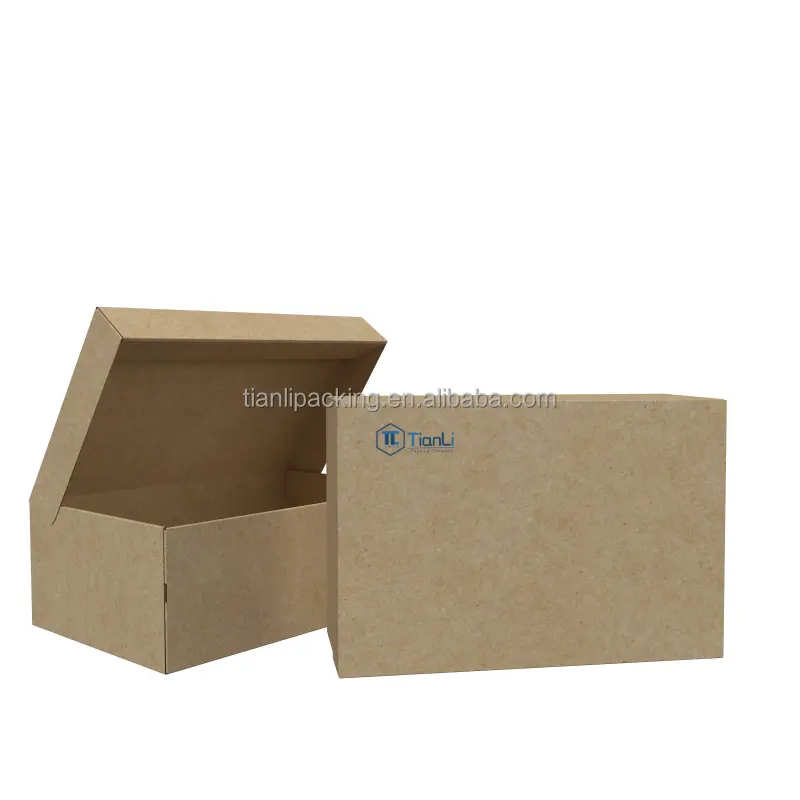
The packaging industry has evolved significantly over the past decade, with shoe boxes representing one of the most critical components in footwear retail and distribution. Modern consumers expect not only functional protection for their purchases but also aesthetically pleasing presentation that reflects brand quality and environmental consciousness. Understanding the various types of shoe boxes available in today's market can help retailers, manufacturers, and even individual consumers make informed decisions that balance cost-effectiveness, durability, and visual appeal.
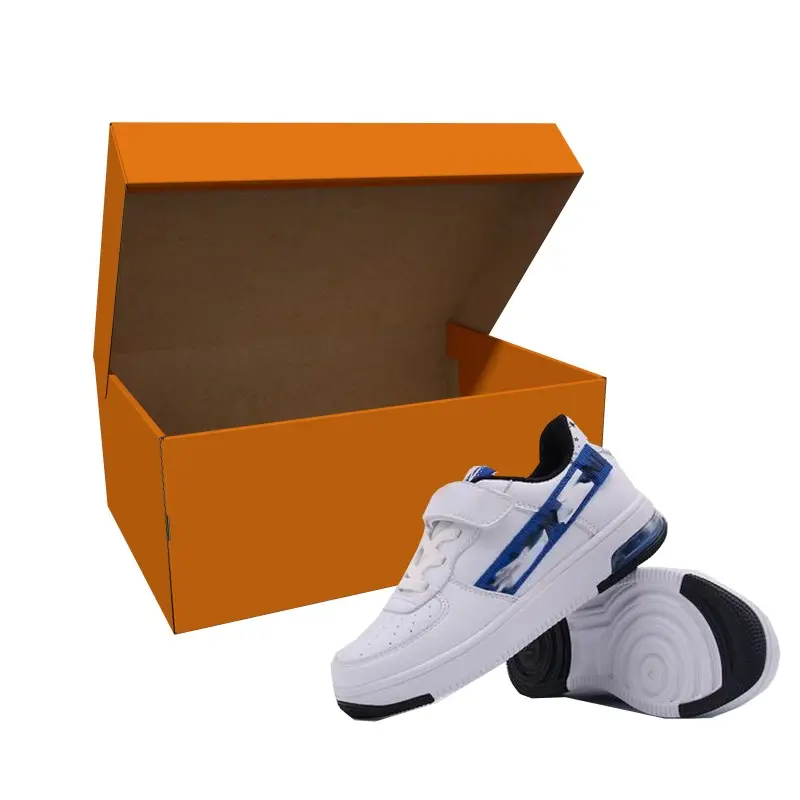
Primary Categories of Shoe Packaging Solutions
Corrugated Cardboard Shoe Containers
Corrugated cardboard remains the most popular material for manufacturing shoe boxes due to its exceptional strength-to-weight ratio and cost-effectiveness. These containers feature multiple layers of cardboard with a fluted middle section that provides superior cushioning and protection during shipping and storage. The corrugated structure effectively absorbs impact forces, preventing damage to delicate footwear materials such as leather, suede, or synthetic fabrics.
Manufacturing processes for corrugated shoe boxes involve precision die-cutting and folding techniques that ensure consistent dimensions and structural integrity. High-quality corrugated materials can support weights exceeding twenty pounds without compromising their shape, making them ideal for heavy boots, athletic shoes, and formal footwear. Additionally, the natural brown color of corrugated cardboard provides an excellent base for custom printing and branding applications.
Rigid Paperboard Construction Options
Rigid paperboard represents the premium tier of shoe box construction, offering superior durability and enhanced visual presentation compared to standard corrugated alternatives. These boxes typically feature thicker wall construction, ranging from 1.5 to 3 millimeters in thickness, which provides exceptional protection for high-value footwear collections. Luxury brands frequently select rigid paperboard for their flagship products due to the material's ability to maintain sharp edges and crisp corners even after extended handling.
The manufacturing process for rigid paperboard shoe boxes involves laminating multiple layers of recycled paper fibers under high pressure and temperature conditions. This technique creates a dense, uniform material that resists warping, crushing, and moisture absorption better than conventional cardboard alternatives. Surface treatments such as matte or gloss lamination can be applied to enhance tactile qualities and provide additional protection against fingerprints and scuff marks.
Specialized Design Configurations and Features
Flip-Top and Magnetic Closure Systems
Modern shoe box design has incorporated sophisticated closure mechanisms that enhance user experience while maintaining product security during transportation and storage. Flip-top configurations feature reinforced hinges that allow the lid to open smoothly without detaching from the base, creating a clamshell-style presentation that showcases footwear effectively. These designs often incorporate magnetic strips embedded within the cardboard structure to provide secure closure without requiring adhesive tapes or external fasteners.
Magnetic closure systems represent a significant advancement in premium shoe packaging, utilizing rare earth magnets strategically positioned to create strong, invisible holding forces. The integration of these magnetic elements requires precise engineering to ensure proper alignment and sufficient closure strength while maintaining the overall aesthetic appeal of the package. Professional installation techniques involve creating small pockets within the cardboard layers to house the magnets securely without compromising structural integrity.
Window Display and Transparency Options
Transparency features in shoe boxes have gained popularity as retailers seek to display merchandise while maintaining protective packaging benefits. Clear plastic windows can be incorporated into traditional cardboard designs, allowing customers to view products without opening the container completely. These windows are typically constructed from PVC, PET, or acetate materials that provide clarity while resisting scratching and clouding over time.
Advanced window designs may feature multiple viewing angles or wrap-around transparency that showcases footwear from various perspectives. The integration of clear materials requires specialized adhesive systems that create weatherproof seals between cardboard and plastic components. Quality control processes ensure that window installations maintain structural integrity under varying temperature and humidity conditions commonly encountered in retail environments.
Material Sustainability and Environmental Considerations
Recycled Content and Eco-Friendly Alternatives
Environmental consciousness has become a driving force in shoe box manufacturing, with many companies adopting recycled content standards that exceed seventy percent post-consumer materials. Recycled cardboard maintains excellent structural properties while reducing the environmental impact associated with virgin fiber harvesting and processing. Advanced recycling techniques can produce shoe boxes that are virtually indistinguishable from those made with new materials in terms of strength, appearance, and durability.
Biodegradable alternatives such as molded pulp and agricultural waste composites are emerging as viable options for environmentally conscious brands. These materials decompose naturally within composting systems, eliminating long-term waste concerns associated with traditional packaging. However, manufacturers must carefully balance environmental benefits against performance requirements, as some eco-friendly materials may not provide the same level of protection or visual appeal as conventional options.
Water-Based Inks and Sustainable Printing Processes
Sustainable printing technologies have revolutionized the customization capabilities of shoe boxes while minimizing environmental impact through the elimination of volatile organic compounds and heavy metals. Water-based ink systems produce vibrant colors and sharp graphics while remaining completely recyclable within standard paper processing facilities. These inks penetrate cardboard fibers more effectively than traditional petroleum-based alternatives, resulting in improved color retention and reduced smudging during handling.
Digital printing processes have enabled cost-effective customization for smaller production runs, allowing brands to implement variable data printing for personalized packaging solutions. Advanced digital systems can produce photographic quality images directly onto cardboard surfaces without requiring separate label applications or lamination processes. This integration reduces material waste while providing unlimited design flexibility for seasonal collections, limited editions, and regional market variations.
Size Variations and Standardization Protocols
Industry Standard Dimensions and Compatibility
Standardized sizing protocols within the footwear industry have established common dimensions that optimize storage efficiency and shipping costs across different brand portfolios. Standard shoe box dimensions typically range from 13 inches in length for children's sizes to 15 inches for adult footwear, with width measurements varying between 7 and 9 inches depending on shoe style and construction. Height specifications generally fall between 4 and 6 inches, providing adequate clearance for various heel heights and ankle support features.
International shipping regulations influence size standardization efforts, as packages must comply with dimensional restrictions imposed by major shipping carriers and customs authorities. Optimization algorithms help manufacturers determine the most efficient box dimensions that maximize product protection while minimizing shipping costs and storage space requirements. These calculations consider factors such as weight distribution, stacking strength, and compatibility with automated sorting systems used in modern distribution facilities.
Custom Sizing Solutions for Specialty Footwear
Specialty footwear categories such as athletic cleats, work boots, and formal dress shoes often require custom box dimensions that accommodate unique design features and protective requirements. Athletic shoes with prominent air cushioning systems may need additional height clearance, while work boots with steel toe reinforcements require enhanced structural support throughout the packaging design. Custom sizing solutions involve detailed product measurements and engineering analysis to determine optimal internal dimensions and protective features.
Prototype development processes for custom shoe boxes include three-dimensional modeling and stress testing to validate design concepts before full production implementation. Computer-aided design software enables manufacturers to simulate loading conditions, stacking scenarios, and transportation stresses that packages will encounter throughout the distribution chain. These analysis tools help identify potential failure points and optimize material distribution for maximum protection efficiency.
Cost Analysis and Selection Criteria
Budget Considerations and Value Engineering
Cost analysis for shoe box selection involves multiple factors beyond initial material expenses, including shipping weights, storage requirements, and end-user disposal considerations. Value engineering principles help identify the optimal balance between protective performance, visual appeal, and total lifecycle costs. Premium materials may justify higher initial investments through reduced product damage rates, improved customer satisfaction, and enhanced brand perception in competitive markets.
Quantity breaks and volume pricing structures significantly impact the cost-effectiveness of different shoe box options, with larger production runs typically achieving substantial per-unit savings. Strategic procurement planning can leverage seasonal demand patterns and manufacturing capacity utilization to negotiate favorable pricing agreements. Long-term supply contracts often provide price stability while ensuring consistent quality and delivery performance throughout extended product cycles.
Performance Metrics and Quality Assessments
Comprehensive quality assessment protocols evaluate shoe box performance across multiple criteria including compression strength, edge crush resistance, and moisture absorption characteristics. Standardized testing procedures such as ASTM and ISO specifications provide objective measurements that enable meaningful comparisons between different suppliers and material options. Performance data helps manufacturers select appropriate packaging solutions that meet specific application requirements while maintaining cost-effectiveness.
Customer feedback analysis provides valuable insights into real-world performance characteristics that may not be captured through laboratory testing procedures. Retail surveys and consumer satisfaction studies reveal preferences regarding ease of opening, visual presentation, and disposal convenience that influence purchasing decisions. This market intelligence helps guide product development efforts and identifies opportunities for innovation in packaging design and functionality.
FAQ
What is the most durable type of shoe box material available today
Rigid paperboard construction offers the highest durability among commonly available shoe box materials, with wall thicknesses up to 3 millimeters providing exceptional crush resistance and moisture protection. These premium containers maintain their structural integrity through multiple handling cycles and can support stacking loads exceeding 100 pounds without deformation. For applications requiring extreme durability, plastic composite materials and metal reinforced options are available, though at significantly higher cost points.
How do I determine the correct shoe box size for my product line
Proper sizing requires measuring your largest shoe model in each category, adding 0.5 inches to length and width dimensions for protective clearance, and 1 inch to height measurements to accommodate tissue paper or other packaging inserts. Industry standard dimensions work for most conventional footwear, but specialty items like orthopedic shoes or athletic gear with oversized features may require custom sizing solutions. Prototype testing with actual products helps validate dimension selections before committing to large production quantities.
What are the environmental benefits of choosing recycled shoe box materials
Recycled content shoe boxes reduce virgin fiber consumption by up to 75 percent while maintaining equivalent protective performance and visual quality compared to new materials. These containers typically decompose completely within 90 days in commercial composting facilities and can be recycled repeatedly through standard municipal programs. Water-based printing inks and adhesive systems further enhance environmental compatibility while eliminating toxic chemicals that could impact disposal and recycling processes.
Can shoe boxes be customized for seasonal or limited edition collections
Modern digital printing technologies enable cost-effective customization for production runs as small as 500 units, making seasonal and limited edition packaging economically viable for most brands. Variable data printing capabilities allow unique serial numbers, personalized messages, or regional variations within the same production run. Advanced planning and design templates can streamline the customization process while maintaining consistent quality standards and delivery schedules for time-sensitive marketing campaigns.