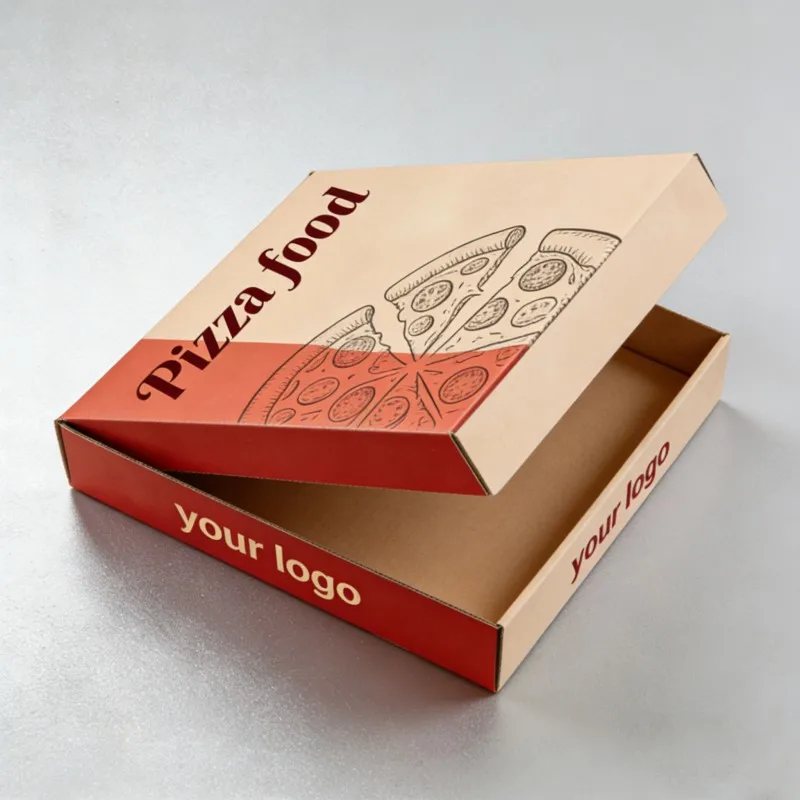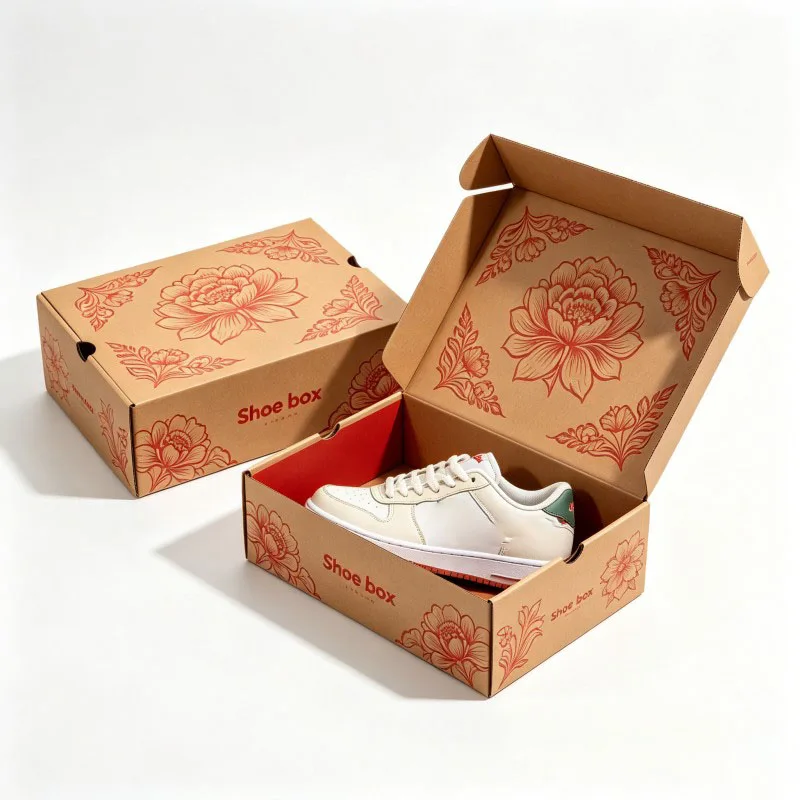
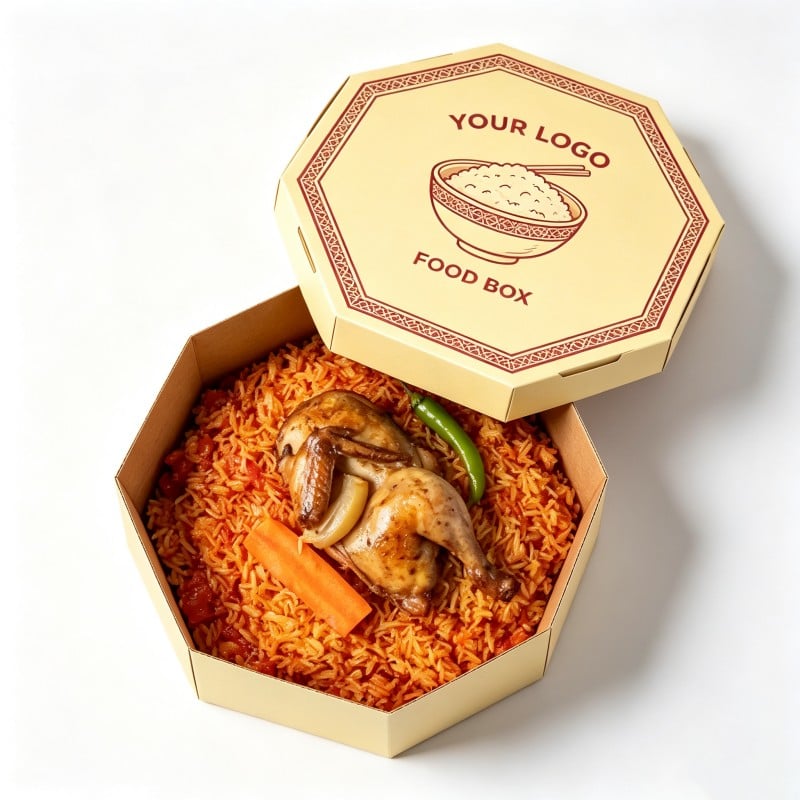
Paperboard boxes with lids stay in high demand. They offer great product protection, nice looks, and easy handling. Simple bags and thin sleeves lack structure. In contrast, a lidded box gives items a solid shape. It also creates a polished look. This packaging guards food, supplements, seasonal fruit, cosmetics, and gifts. It keeps them safe during storage, store display, and final delivery.
For brands, the box shapes the buyer's experience. A solid package helps people spot the product quickly. It also makes the item easier to store and fun to open. Meanwhile, modern packaging trends favor green solutions. Companies want recyclable materials and less plastic. They also focus on right-sized structures and strict food-contact safety.
The high demand for lidded paperboard boxes stems from their flexible nature. They handle multiple tasks at the same time. These boxes work well as store displays. They also serve as safe inner packaging and ready-to-give containers. Therefore, they bring value to many types of businesses. This includes brands selling via shops, websites, subscription boxes, and holiday promotions.
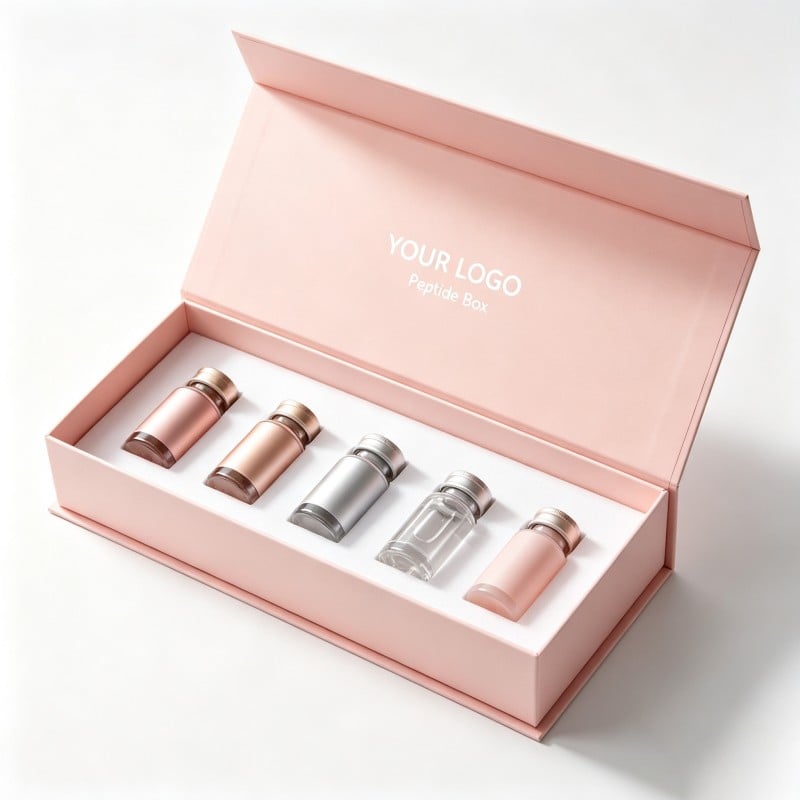
A snug lid cuts down on dust and rubbing. It also stops unwanted touching. For food products, this feature maintains cleanliness. It guards the item from the factory floor right to the buyer's kitchen. For supplements, the lid provides a bonus defense layer. It wraps securely around bottles, glass jars, or small sachets.
The box design must fit the item inside. A shallow box works great for fine chocolates or dried fruit slices. On the other hand, a deep box fits tall supplement bottles or large gift sets. Heavy goods need extra support. They often require thicker board and strong corners. Sometimes, they even need an outer shipping carton.
Before choosing a design, buyers should review:
Retail packaging must attract attention quickly. Customers often compare several products from the same shelf, so the box needs to communicate quality within a few seconds. A clean lid, balanced proportions, and clear printing can make the product feel more valuable without excessive decoration.
Opening a box is a physical moment. A lid that lifts smoothly and closes firmly gives the product a stronger presentation. This is especially useful for premium snacks, wellness products, fruit gifts, and seasonal collections.
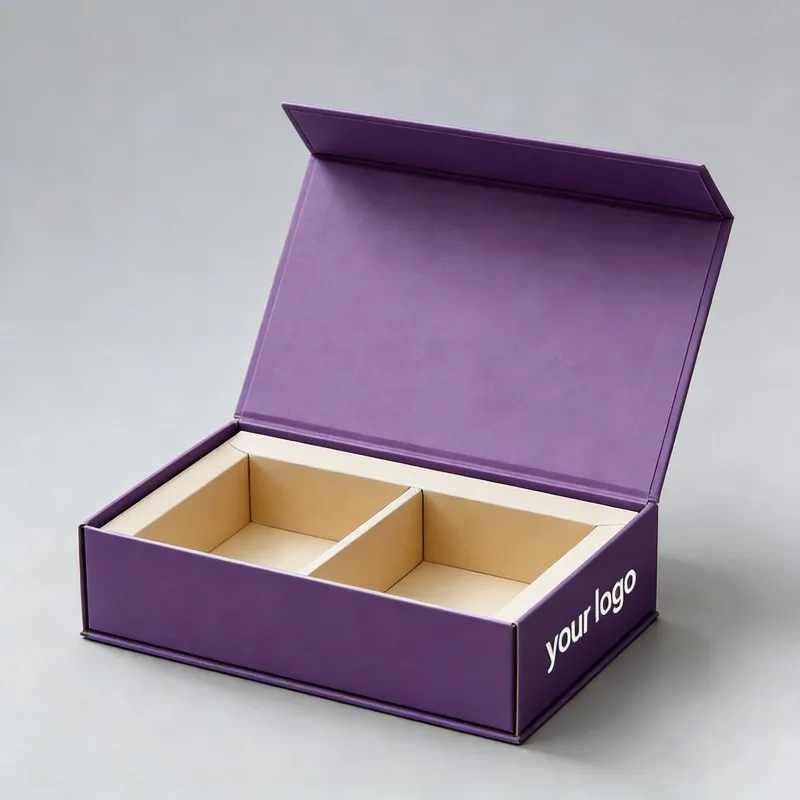
A rigid gift box can create a solid, high-value feel. A drawer gift box offers a more interactive opening motion. A book gift box can give a product a refined, story-like presentation. For lighter products, a folding gift box may provide a similar effect while reducing storage space before assembly.
This flexibility is one reason many brands choose paperboxes instead of ordinary plastic bags or plain cartons. The box can be designed around the product, the price point, and the customer’s expected experience.
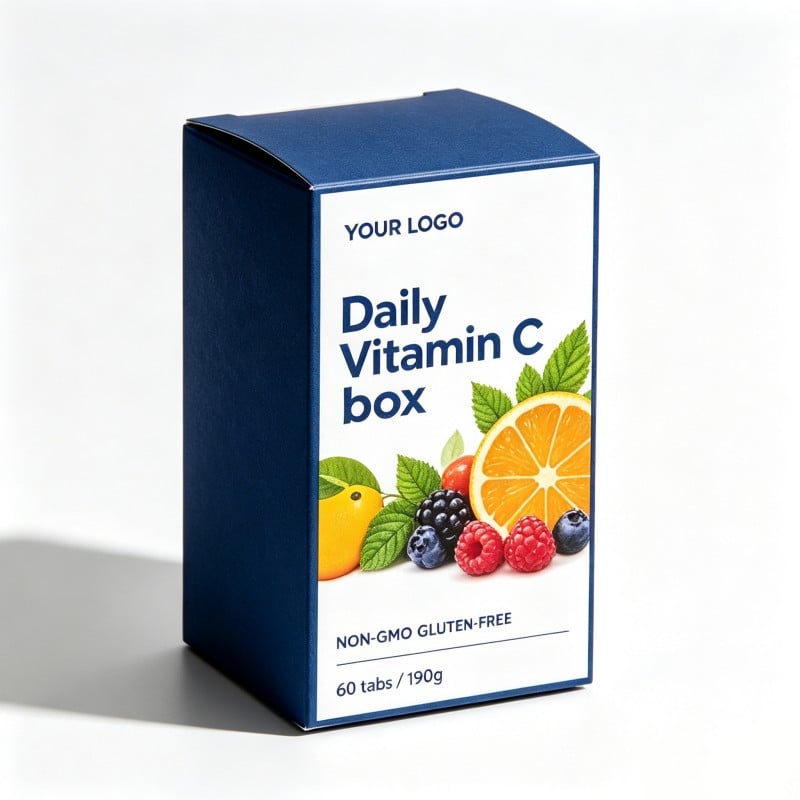
Food packaging must protect more than appearance. It may need to deal with grease, heat, moisture, condensation, and ventilation. A lidded paperboard box should therefore be selected according to the food’s condition when packed and delivered.
Fried chicken, burgers, pizza, noodles, salads, sushi, and baked goods all create different packaging demands. Fried food needs oil resistance and controlled airflow. Pizza needs enough space for toppings and steam release. Salads may require a structure that prevents crushing during delivery.
Hanlong Packaging produces custom food boxes for fried chicken, burgers, pizza, noodles, sushi, salads, and baked products. We can develop carry boxes, fold-lock boxes, top-and-bottom boxes, and family meal boxes according to food size and service speed.
For example, pizza boxes with logo can improve brand recognition while protecting the product during delivery. A reinforced carry box can support a heavier family meal. A grease-resistant inner surface can help keep the outside cleaner. Buyers looking for a caja fried chicken structure should also check handle strength, lid stability, and ventilation.
A kraft paperboard box is often suitable for snacks, bakery products, tea, fruit, and natural food brands. White paperboard is useful when bright colors, detailed images, or clean nutrition information are important.
Food-contact packaging should be reviewed according to the food type and intended conditions of use. The FDA explains that food-contact materials include packaging components such as paper, paperboard, coatings, adhesives, and colorants. Their suitability depends on the intended use and possible migration into food.
For grease-resistant food packaging, brands should also pay attention to PFAS-related requirements. In the United States, PFAS grease-proofing substances are no longer being sold for food-contact use on paper packaging.
Supplements often need a clean and trustworthy appearance. Customers expect the packaging to protect the product and present information clearly. A damaged corner, loose lid, or crushed carton can reduce confidence, even when the bottle inside remains usable.
A 250 mL bottle, 500 mL bottle, and 1 L bottle cannot always share the same box. Their height, weight, and center of gravity may be different. A multi-bottle pack also needs dividers or fitted inserts to prevent bottles from touching each other.
A cap packaging box may be used for small wellness accessories, bottle caps, samples, or matching product components. The box should keep small parts from moving freely during delivery.
For supplement gift packaging, brands may combine:
The result is a package that looks organized on the shelf and remains stable during shipping.
The second half of the year brings many mature fruits to retail markets, including apples, pears, grapes, citrus, persimmons, and pomegranates. These products often need packaging that balances visibility, protection, ventilation, and gift appeal.
Fruit buyers want to see color, size, and surface quality. A fully closed box may protect the contents, but it can also make inspection difficult. A small window, open-top structure, or carefully placed ventilation panel can provide visibility while keeping the box strong.
For 1 kg or 2 kg fruit gifts, paperboard dividers can reduce rubbing between individual pieces. A 5 kg fruit carton needs stronger edges, stable stacking, and enough internal space to avoid pressure points.
Seasonal designs can also increase sales. A christmas box for presents can turn apples, pears, or citrus into a ready-to-give product. A drawer gift box may suit a premium fruit assortment, while a book gift box can support a story about the growing region or harvest season.
Sustainability is now connected to purchasing, export access, and brand reputation. Customers increasingly expect packaging to use less material and offer a clearer recycling path. Retailers also want boxes that reduce unnecessary empty space and avoid difficult-to-separate components.
The European Union’s Packaging and Packaging Waste Regulation began applying on August 12, 2026. It includes requirements related to recyclability, empty space, packaging waste, and restrictions on PFAS in food-contact packaging.
Lidded paperboard boxes can support a lower-plastic packaging direction when the materials are carefully selected. Buyers should review:
A simple kraft paperboard box may be easier to sort and recycle than a package made from several bonded materials. However, sustainability should not come at the cost of product damage. If weak packaging causes more food waste, the overall result may be worse.
At Hanlong Packaging, we develop packaging around the product’s size, weight, storage conditions, and sales channel. We can compare a folding carton, a rigid gift box, a kraft paperboard box, and a corrugated outer case before production.
Our team supports structure design, physical sampling, printing, finishing, quality inspection, and delivery coordination. We also offer options such as foil stamping, embossing, matte lamination, gloss lamination, and spot UV for brands that need a stronger retail presence.
For food, gifts, supplements, fruit, and cosmetic products, our custom packaging service helps buyers move from an idea to a tested sample. We also provide corrugated packaging boxes for storage, shipping, and outer protection.
Fast packaging production is valuable for seasonal fruit, holiday gifts, limited editions, and promotional food sets. Samples should be checked before bulk production so brands can review color, fit, closure strength, paper texture, and printed images.
Before ordering paperboard boxes with lids, buyers should prepare a clear specification. This reduces design changes and helps the packaging manufacturer recommend the correct structure.
Paperboard boxes with lids remain popular because they combine protection, presentation, and practical storage in one structure. They can support food delivery, supplement retail, seasonal fruit gifts, cosmetics, and premium promotional sets. The right box protects the product without using unnecessary material, while the lid adds order and value to the customer experience. Food brands should focus on grease resistance, ventilation, and food-contact safety. Supplement companies should consider inserts, bottle stability, and clear information. Fruit sellers need airflow, suitable dividers, and tested stacking strength. With careful material selection, sampling, and production control, a lidded paperboard box becomes more than packaging. It becomes part of product quality, brand trust, and long-term retail performance.
A: They provide clean presentation, protection, and a ready-to-give appearance.
A: Yes. Use a fitted insert and test the complete 1 L packed weight.
A: Use a reinforced corrugated box with ventilation and internal protection.
 Hot News
2026-09-27
2026-09-17
2026-09-02
2026-08-24
2026-08-13
2026-07-14
 EN
EN