
A box is more than just a container for any food brand. Items have to be stored safe. What's more, it needs to slot in with the way that retailers manage their inventory. There should be proper disclosure on the packaging. Finally, it should look the same in each shipment. Naturally, these specific needs vary by product. The setup of a toothpaste carton is different than for fruit gift boxes or takeaway meals.
These details are very important in light of recent developments. The EU Packaging and Packaging Waste Regulation starts to apply! New Eurostat data from October meanwhile highlights that packaging waste is still a critical policy issue. This factor also colours daily purchase decisions. A real question then arises for the purchasers. They got to learn the methods of selecting a reliable factory. That partner needs to translate product objectives into packaging that holds up through manufacturing, shipping and the store display. It was this huge experience across multiple categories that made solving the problem easier.
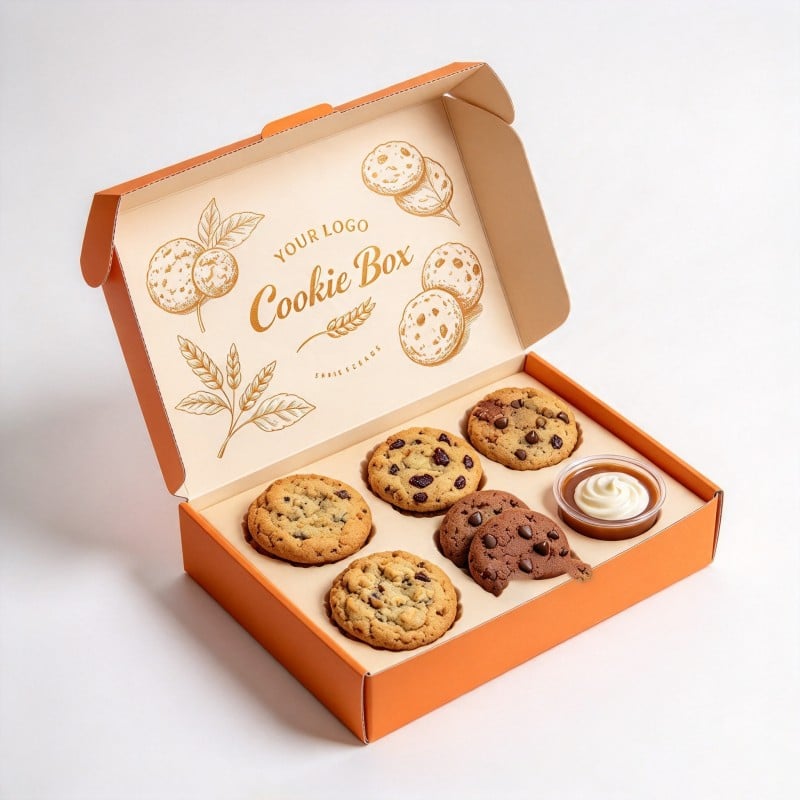
Img.Custom Logo Cookie Box Divided Tray Box.webp
Generalizes knowledge development across many product types. They teach how small changes in structures alter the rate of packing. These small details also impact product loss and appearance on shelf. That type of design in all boxes is the biggest pro. Instead, the producers study other projects. You can fool them with smarter questions so early on. This is to identify potential issues long before anyone actually approves artwork or tooling.
A toothpaste tube can lose its shape a bit too easily. This squeeze occurs when boxes are overly packed. It also happens if workers pile them under heavier goods. This is why they require sufficient stiffness in their packaging boxes. This way the front and side areas still look very clean. However, family packs or promo sets usually require interior separations. These pockets prevent the items from moving around inside. A parcel may, too, need to dangle from a peg at shop. Perhaps even in the middle of a supermarket display. Consequently, the true layout of a shelf is equally as important as its dimension.
Fruit brings a completely different set of challenges. Factors like ventilation, moisture levels, weight, and pressure points vary greatly. They change depending on the specific fruit variety and the shipping route. For instance, a box designed for apples will not automatically suit berries or citrus fruits. Components like inserts, shallow trays, clear windows, and carrying handles require careful selection. Designers must base these choices on the fruit itself. They must also consider how store staff will restock the display. Our fruit packaging boxes provide buyers with an excellent starting point. Clients can use them to discuss these exact needs with our team.
Small food companies frequently require flexible packaging solutions. They use them for bakery items, takeaway meals, local markets, or online deliveries. A neighborhood bakery usually wants a clear display window and a sturdy base. Conversely, a meal-delivery service strongly needs grease resistance and proper ventilation. Meanwhile, an expanding snack brand might want a box that looks highly professional. However, they still need to keep their initial order fairly simple. Supermarket food packaging introduces entirely different requirements. These include standard case counts and highly visible labeling. Consistent color matching, shelf-ready display formats, and predictable restocking processes are also vital.
These specific needs cover various formats. Common examples include dumpling, egg, honey, egg tart, ice cream, churro, popcorn, hot dog, fruit, beverage, cookie, donut, pizza, sushi, bread, cake, candy, chocolate, hamburger, nuts and fried-chicken packaging. TianLi Packaging's food box range successfully gathers all these custom food boxes in one place. A good custom paper packaging manufacturer needs to do more than simply give a price from a basic catalogue. They must talk about the real food items. They need to look at the pack size and the sales channel. These factors directly decide the final specification.
Tough rules can never take the place of real product testing. Also, one single material choice almost never works for every worldwide market. But buyers sending goods to Europe now have a good reason to check their packaging design right away. The EU regulation is now in its active application stage. Plus, the new October 2026 reporting on packaging waste shows a big change. This shows why store owners and buying teams now ask suppliers very direct questions. They need clear answers about material usage. They want to know about overall recyclability. They also ask for the right compliance documentation.
Real recyclability relies a lot on the whole pack. This covers the paperboard, surface coatings, and clear windows. It also includes printed labels, adhesive glues, and any internal insert. You need to see recyclable paper packaging as a single complete structure. A box can look like plain paper on the outside. But it might have hidden parts inside. These parts can be hard to separate later on. Always ask about the exact material of each part. Find out how the factory joins them together. You also must check if local waste collection systems can actually handle it. The European Commission's packaging waste rules and timeline works as a very helpful guide. Even so, buyers must always check their exact market rules. They should do this with their own internal compliance teams.
Getting the right size matters a lot too. A carton that is too big wastes good material. It also lets fragile products move around during shipping. On the other hand, a very tight carton causes problems. It can easily crush delicate corners or decorative toppings. It might also damage applied labels. We highly suggest checking the exact dimensions. You should do this using the product in its fully packed form. Next, you need to test the overall fit. Use a real sample to check the physical protection. Finding the right balance is vital for a busy takeaway or retail program. The best setup could include a safe food-contact inner box. Then, it can use a totally separate transport carton. This ensures secure storage and safe final delivery.
Official certificates help buyers check a potential supplier. Yet, they do not cover every single box for all uses. TianLi Packaging keeps key certifications and supporting records up to date. These include FSC, ISO 9001, HACCP, BSCI and CE. You need to read these food packaging certifications and quality records closely. Focus on their stated scope. The right document relies on the selected material. It also depends on the planned use and the target market. Always ask for the newest certificate version. Look at its specific scope. Check its expiration date. Also, ask for any test reports needed for direct food contact. Complete this step before you sign off on a final specification.
You must apply this same care to environmental claims. A buyer might need certified paper. They might want a safe food-contact option or a unique protective coating. This specific need must show up clearly in the formal quote. It must also appear on the sample approval form. A clear paper trail helps all parties involved. It allows the purchasing, quality, and regulatory teams to see the exact same data. This approach is much safer than trusting a vague claim buried in a product description.
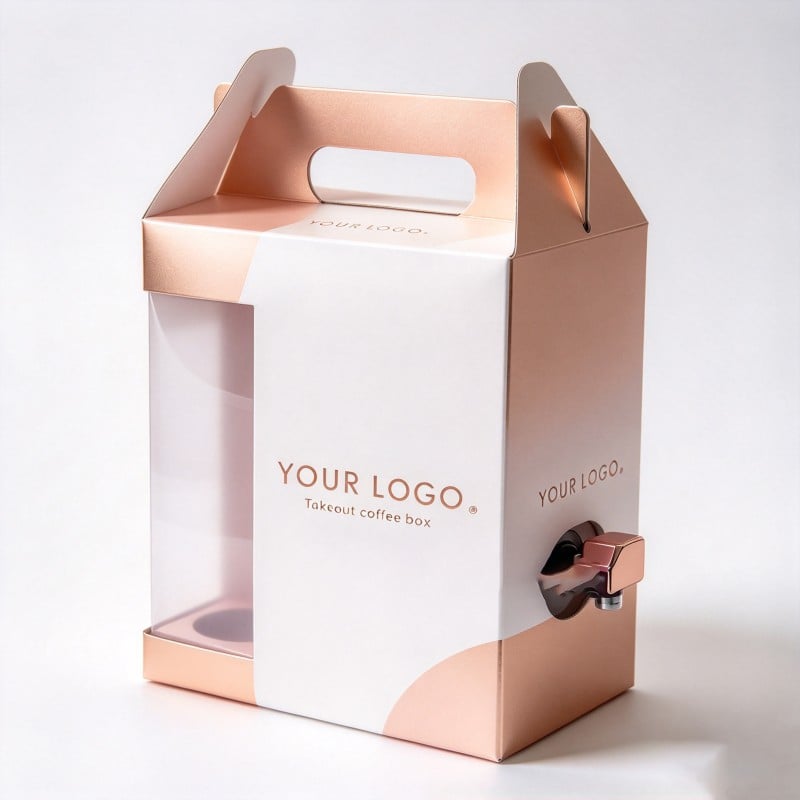
Img.Cafe Supply Set Box With Spigot.webp
Deep factory experience shows its value early on. It shapes the questions asked at the start of a project. Share the exact packed product dimensions before you ask for samples. Give the target order amount and the total expected weight. Point out the normal storage conditions. Describe the planned shipping route and the final retail display. Will the package sell in several countries? If so, list every single target market. These exact details help the supplier a lot. The team can then suggest a solid structure for you to test. This avoids random guessing.
A basic flat folding carton often fits a light retail item well. On the other hand, a strong rigid presentation box suits a premium gift set better. These luxury goods usually need a heavy, high-quality feel. At the same time, a packaging drawer box makes a multipiece set easy to open. It keeps the contents neat. Still, the box needs a tight fit to handle shipping safely. A festive birthday box package might need bright, seasonal prints. Conversely, a normal supermarket carton needs fast opening features. It also requires highly visible product details.
TianLi Packaging fully supports custom sizing, careful material selection, precise printing, and special finishing. We provide all this through our dedicated customization service. When dealing with food packaging, the choice of paperboard, surface coating, and box closure remains critical. These choices must strictly follow the product's specific oil, moisture, and temperature conditions. Take branded pizza programs, for example. Custom pizza boxes with logo can perfectly balance a large print area with a highly functional base and lid. These parts must remain completely practical during busy handling. The physical sample provides the perfect opportunity. It is the exact stage where you can review the overall fit, stacking strength, opening mechanism, and print quality all at once.
A signed sample is a benchmark for both the buyer and factory. This includes the dimensions, color matching exactness, specific construction of structure surface finish and more. Of course, this step does not eliminate the absolute requirement for checks on production from time to time. That being said, it does make any differences that are not meant to be there far easier to spot quickly. When talking to a factory, always ask how they will confirm that raw materials coming in are of the standard being advertised. Ask how they inspect their printing, die cutting, gluing and final packing of cartons? P.S. Discover how they notate any production problem, too You should always keep the approved specification document safe so that for future repeated orders. Keep those sample details easily accessible to your purchasing team and the quality control team members.
The full method also has to accommodate the needs of its certain order size. To begin with, a less established brand would want to experiment thoroughly before even considering an entirely new format. Typically, they like to do this before going into a large scale production. On the other hand, a large chain retailer would require several different box sizes. They may also need multiple regional versions produced to the same high print standard. Always talk target quantities, lead times (request for quotes), and specific artwork versions in the beginning. This becomes especially crucial just before a big seasonal release. What you really need to know in useful packing news is so much bigger than one new rule. It also is very much reliant on keeping track of sudden changes in demand among consumers. Such changes have immediate repercussions across available inventory, retail shelf space and factory packaging schedules.
When you alter your mindset, it becomes easier to pick a reliable custom food packaging manufacturer. First of all, the first talk should always be about how your product journey would actually work and not just pen down something on a standard box catalogue. The needs come from completely different spheres of precision brought on by the product types — toothpaste cartons, fresh fruit packs, bakery boxes or even supermarket displays. However, extensive factory experience across such diverse categories is extremely helpful. It can assist production teams in identifying hidden risks much sooner. It also enables them to create a much better-defined technical specification. In addition, recent packaging rules in the EU lend real urgency to this. Before heading to mass production, enterprises need to revisit their materials and compliance documentation. For savvy buyers, the next steps are simple. The very first step is to clearly define the targeted sales channel. Next, provide the actual finished packed measurements. Third and finally, ask for solid evidence on so-called environmental claims. Lastly, test a physical sample under realistic handling conditions thoroughly. TianLi Packaging has a broad scope in food, retail and personal-care packaging. We provide specialized customization and strong production support. We focus on helping not just smaller, growing brands but also larger body corporate programs as well. We help them move step by step from a simple idea to create a highly implementable successful product.
A: The most common pack weights typically include 1 kg, 2 kg, and 5 kg options. Ultimately, the specific fruit type and the expected handling conditions will determine the exact final size.
A: Yes, absolutely. The outer carton dimensions, internal dividers, and overall display format can all be fully tailored. We adjust them to match the exact tube count and your specific retail shelf plan.
A: You should always ask for the most current certificates. Check their exact scope and current validity dates. Additionally, request specific food-contact test reports that apply directly to your intended target market.
 Hot News
2026-11-06
2026-10-23
2026-10-09
2026-09-27
2026-09-17
2026-09-02
 EN


