All Categories
News
Home> News

Must-Read for Buyers! Complete Guide to the Packaging Production Process

Mar 30, 2026

Must-Read for Buyers! Complete Guide to the Packaging Production Process

Introduction

Packaging is a very broad industry with complex market supply and demand. As a buyer, if you have a good understanding of the entire process, details, and related industry terms, you will be able to communicate more clearly with the factory, reduce misunderstandings, and greatly assist you in making better purchasing decisions.Moreover, understanding the process can help you:

  • Evaluate whether quotes are reasonable
  • Reduce quality risks
  • Improve procurement efficiency


Overview of Paper Packaging Production

Generally speaking, the production of paper packaging can be divided into 2 stages - the pre-production stage and the production stage. Pre-production stage mainly refers to design and plating making. Production stage mainly includes five steps.


I. Prepress (Pre-production)

1. Design

In this context, design refers to template-based layout design, not original design.
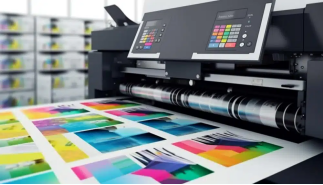
  • Buyers typically provide complete design files.
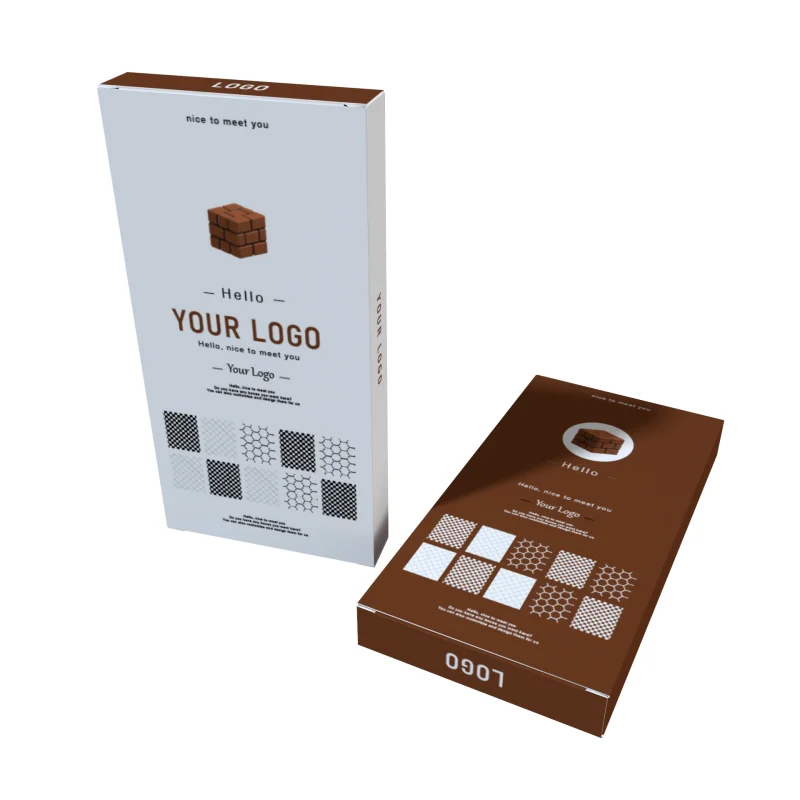
  • Supplier designers combine the provided design elements with templates and make minor adjustments as needed.
  • In short, this step produces the digital files required for printing.
  • Must-Read for Buyers! Complete Guide to the Packaging Production Process

2. Material Preparation

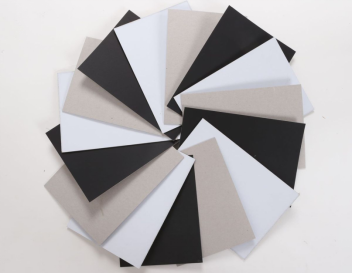
  • Materials are selected according to product requirements, including paper type, thickness, coatings, or specialty paper:
    • White card boxes, corrugated boxes → standard paperboard
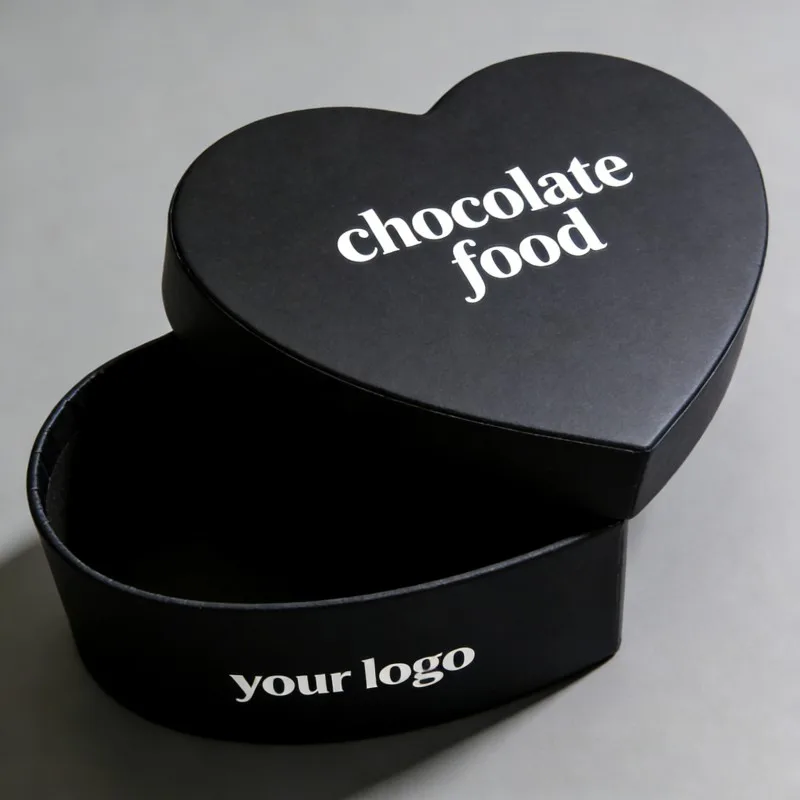
    • Rigid boxes → thick paperboard
    • Printing surface paper and specialty papers are distinguished as needed
  • Paper is also cut to fit the maximum sheet size allowed by the printing press.
  • Must-Read for Buyers! Complete Guide to the Packaging Production Process


II. Postpress (Production)

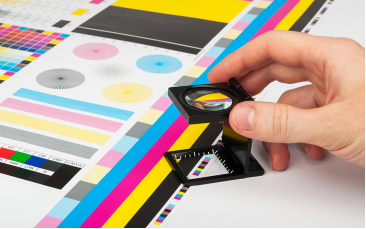
3. Printing

printing is the process of transferring graphics, text or colors onto paper or packaging materials.
Must-Read for Buyers! Complete Guide to the Packaging Production Process

For offset printing (Offset Press), the process typically includes:
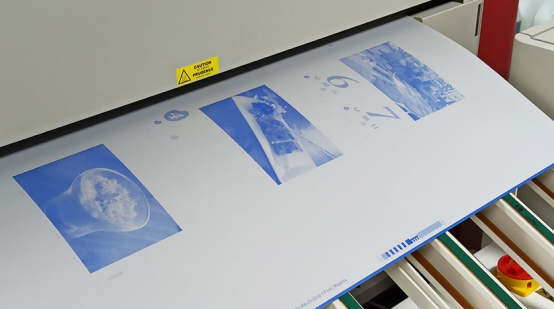
  • Plate Making: Digital files are converted into printing plates using CTP (Computer-to-Plate) technology.

Must-Read for Buyers! Complete Guide to the Packaging Production Process

  • Printing: The ink is first transferred from the printing plate to the rubber blanket, and then from the rubber blanket to the paper.

Different printing machines vary in terms of printing size, material compatibility, speed and cost.
Must-Read for Buyers! Complete Guide to the Packaging Production Process

Before printing, it is essential to verify the structure, size, patterns, text and colors of the packaging box, and conduct a proofreading. The printing cost accounts for a large portion of the production cost. Once errors occur, rework and reprinting may be required - which is both time-consuming and costly.


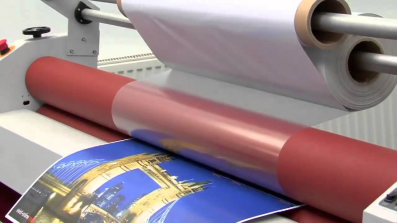
4. Surface Treatment (Finishing / Coating)

Surface finishing includes additional processing on printed sheets to improve appearance, texture, durability, gloss, or ability of water resistance

Common techniques include:

  • Lamination: Matte, glossy, which can improve texture and durability
  • Varnish / UV Coating: transparent coating that highlights specific areas
  • Hot Foil Stamping: Gold or silver of other color of stamping for logo, enhancing premium appearance
  • Embossing / Debossing: Adds 3D effect

After the coating treatment, the paper becomes more sturdy, and its water resistance and wear resistance have both improved; however, it still maintains a flat shape. To make it into a paper box, a series of processes such as die-cutting, scoring, folding and bonding must be carried out.
Must-Read for Buyers! Complete Guide to the Packaging Production Process

Finishing can not only enhance packagings attractiveness but also improve the user experience. Matte films offer a smooth touch, glossy films give the product a premium appearance, and embossing can impart different textures and characteristics to the packaging. Understanding these surface treatment processes is very beneficial for buyers, as it enables them to accurately assess the cost and choose the processing method that matches the brand image, thus avoiding unnecessary costs.


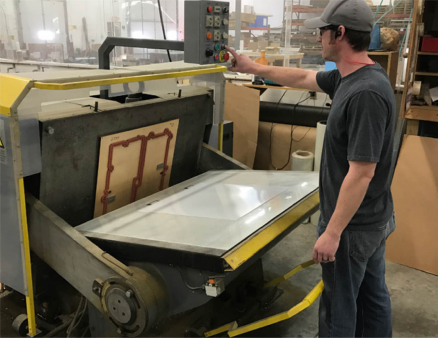
5. Die-cutting & Scoring

  • Die-cutting: The cardboard is cut into the outline of the box body, fold lines, tabs, and windows.
  • Scoring: Press a groove along the fold line to prevent cracking and facilitate folding.

After this step, the paperboard has the structure needed for folding but is not yet a finished box.
Must-Read for Buyers! Complete Guide to the Packaging Production Process


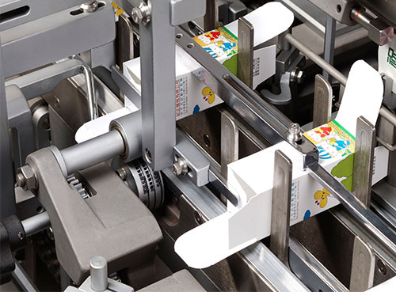
6. Folding & Gluing

  • Folding: The die-cut paper is folded into the shape of a box body in accordance with the design specifications.
  • Gluing: Adhesive is applied to secure the structural integrity of the box body.
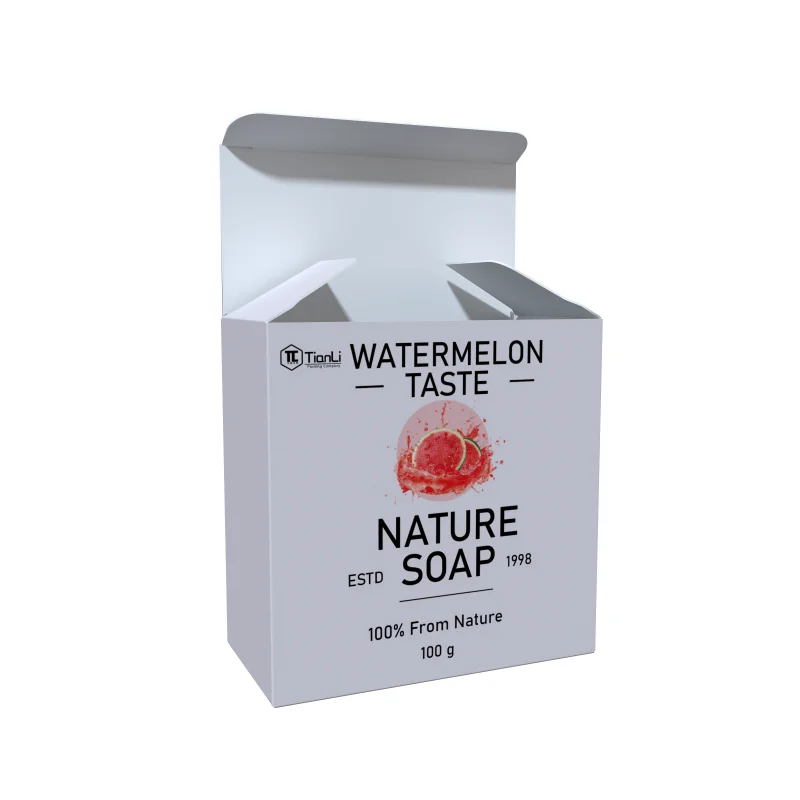
  • Result: The cardboard is thereby transformed into a finished packaging box, ready for immediate use in housing products.

Must-Read for Buyers! Complete Guide to the Packaging Production Process


Conclusion

From design, material preparation, printing, surface treatment, to die-cutting and folding, packaging production is a systematic process.

For the purchaser, understanding this workflow not only helps to improve communication efficiency with the supplier, but also assists in controlling costs and quality, thereby making the purchasing process more precise and enhancing confidence.

Get a Free Quote

Our representative will contact you soon.
Email
Name
Company Name
Message
0/1000